United States X-59 jet reaches key supersonic milestone
Read, Watch or Listen
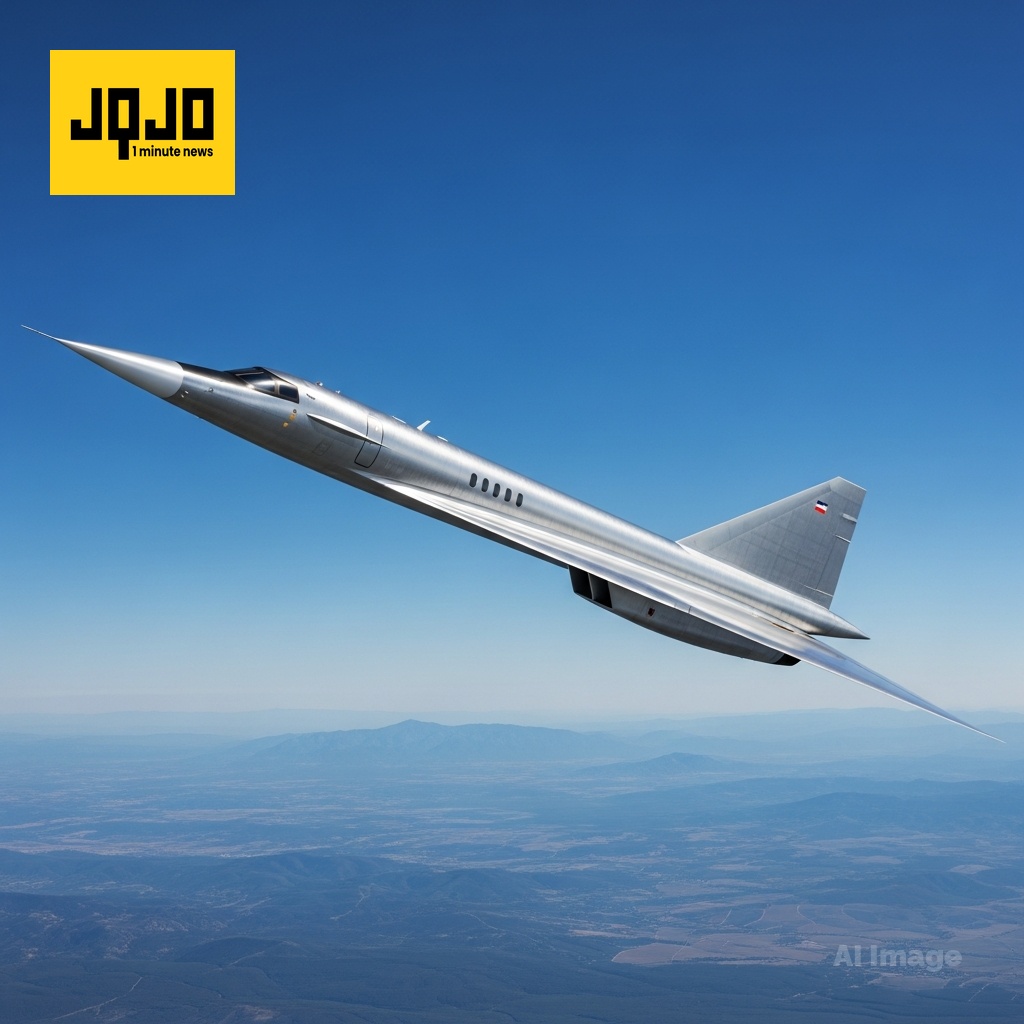
United States – NASA’s experimental X-59 aircraft, the centerpiece of the agency’s Quesst mission, reached a key performance milestone on Friday, June 12, 2026, by flying at Mach 1.4, about 924 mph, at an altitude of 55,000 feet. The flight marked the first time the aircraft achieved the exact speed and altitude combination it is designed to use during upcoming community overflight missions, moving the program from basic supersonic capability into the specific test regime needed for gathering public noise data. The X-59 has previously flown at Mach 1.1, but the latest mission represented a more rigorous test of its design limits and intended operating envelope. United States – The X-59 is built to demonstrate that supersonic flight over land can occur without the traditional loud sonic boom, replacing it instead with a significantly quieter “sonic thump.” During this milestone flight, a NASA F-15 research aircraft flew in close coordination with the X-59, carrying a shock-sensing probe to record the shock wave signature and verify that the aircraft’s unusual geometry reduces the sharp pressure changes that produce booms. NASA will share the noise and performance data from these and future tests with national and international regulators to support the development of new, evidence-based noise standards for potential commercial supersonic operations over populated areas, as further performance testing continues before community overflights in the United States.
Prepared by Olivia Bennett and reviewed by editorial team.
Timeline of Events
- Earlier test phase X-59 flies at Mach 1.1
- Friday, June 12, 2026 X-59 reaches Mach 1.4
- Same day aircraft cruises at 55,000 feet
- Same day F-15 chase plane collects shock data
- Following days engineers analyze shock wave signatures
- Upcoming months further performance tests planned
- After testing community overflight phase to begin
- Future period data sent to aviation regulators
Why This Matters to You
NASA's X-59 jet is testing quieter supersonic flight. If successful, it could mean faster commercial flights over land without the loud sonic boom. This could save you time on future travels. Keep an eye on the news for updates on the X-59's progress.
The Bottom Line
NASA's X-59 jet has hit a key milestone in its quest to revolutionize supersonic flight. The data gathered could shape future aviation noise standards. Worth forwarding if you know someone who's a fan of aviation advancements.
- Articles Published:
- 1
- Right Leaning:
- 0
- Left Leaning:
- 0
- Neutral:
- 1
- Distribution:
- Left 0%, Center 100%, Right 0%
Not specified in source.
Not specified in source.
Coverage of Story:
From Left
No left-leaning sources found for this story.
From Right
No right-leaning sources found for this story.






Comments