Ohio issues lake advisories after toxic algae bloom
Read, Watch or Listen
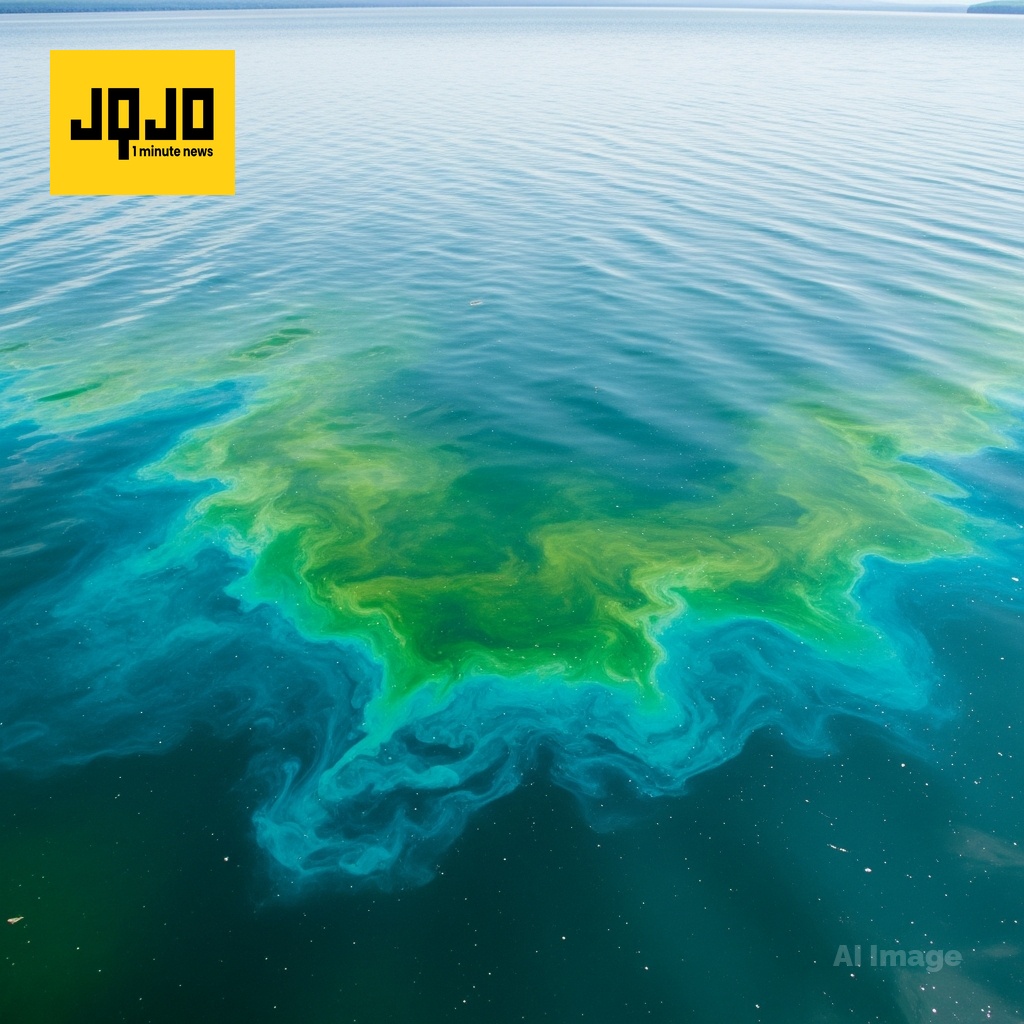
Ohio environmental and natural resources authorities have issued public health advisories for several recreational lakes after routine sampling detected elevated levels of microcystin, a liver toxin produced by cyanobacteria. Tests by the Ohio Environmental Protection Agency found concentrations above the U.S. Environmental Protection Agency recreational water safety threshold at Grand Lake St. Marys, Buckeye Lake, and portions of western Lake Erie. At Grand Lake St. Marys, microcystin reached 24 micrograms per liter, triple the state’s 8 micrograms per liter warning level. State park officials have posted red warning flags and are advising people to avoid contact with visibly scummed water.
Prepared by Olivia Bennett and reviewed by editorial team.
Timeline of Events
- Last week Calm winds and high solar radiation reported
- Last week Nutrient runoff fuels cyanobacterial growth
- Earlier this week Routine water quality sampling conducted
- Earlier this week Microcystin exceeds federal recreational thresholds
- Earlier this week Grand Lake St. Marys records 24 micrograms
- Earlier this week Buckeye Lake and Lake Erie affected
- Today State parks post red warning flags
- Today Public urged to avoid scummed water
Why This Matters to You
Your health and safety are at stake. Microcystin, a liver toxin, is in Ohio's recreational lakes. If you're planning a trip, check the water quality first. Avoid contact with scummy water.
The Bottom Line
Toxic algae blooms are a serious issue. They can harm not only your health but also local wildlife. Keep an eye on updates from Ohio's environmental authorities. Worth forwarding if you know someone heading to these lakes.







Comments