Strait of Hormuz: US Navy hits commercial vessel
Read, Watch or Listen
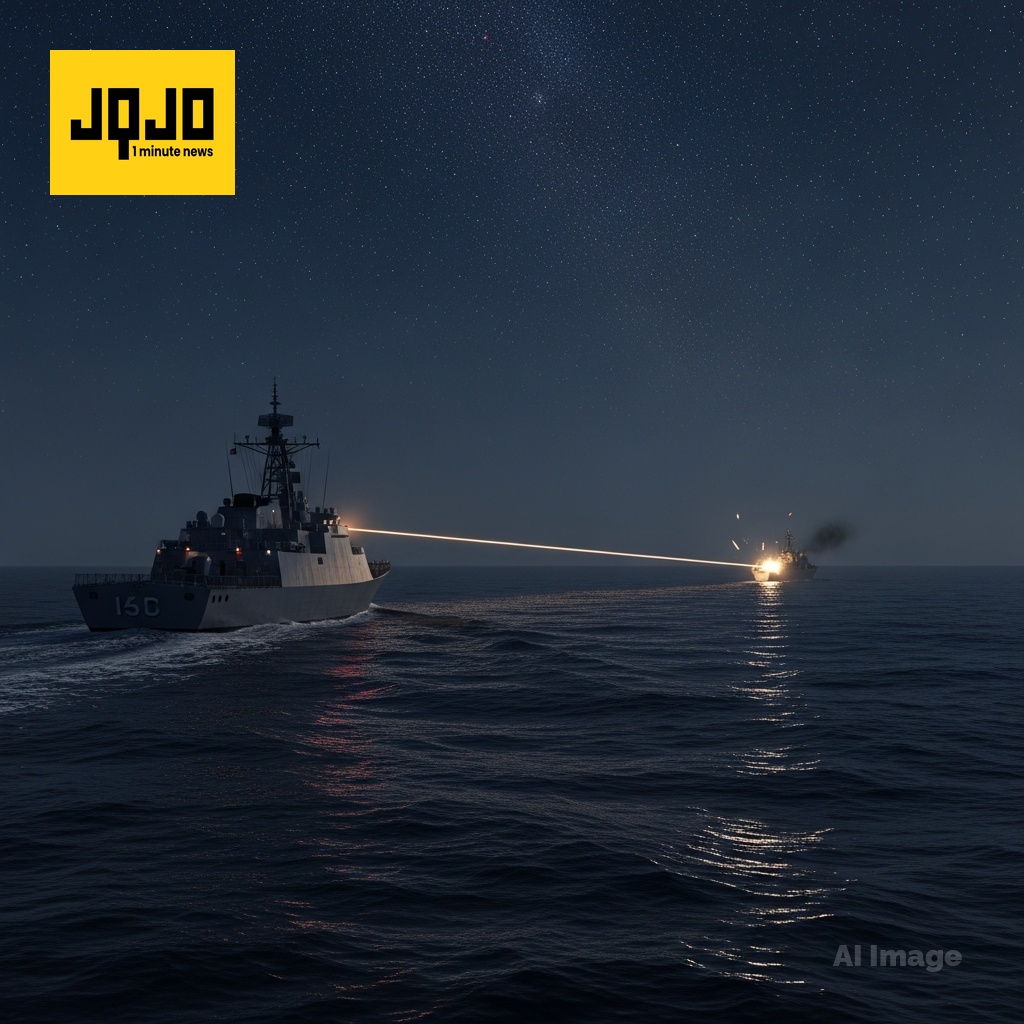
The U.S. Navy has struck a commercial ship that officials say was attempting to breach a U.S.-enforced naval blockade in the Strait of Hormuz, a critical transit route for global oil shipments. The operation, described as part of a broader Trump administration effort to impose a total blockade on Iran, immediately unsettled energy markets, fueling sharp volatility in crude oil futures. Analysts warn that extended shipping disruptions could raise insurance costs, slow deliveries of energy products to the United States, and add inflationary pressure to energy-intensive industries. Diplomacy in the region remains tense, and the risk of further escalation is a central concern for governments and investors.
Prepared by Rachel Morgan and reviewed by editorial team.
Timeline of Events
- Recently, United States announces comprehensive naval blockade
- Recently, blockade targets Iranian oil exports revenue
- Recently, commercial vessel attempts to breach blockade
- Today, US Navy strikes suspected blockade‑running ship
- Today, oil futures experience sharp price volatility
- Today, shipping insurance premiums begin rising globally
- Today, governments monitor risks of regional escalation
- In coming weeks, investors assess inflationary energy pressures
Why This Matters to You
This naval blockade in the Strait of Hormuz could impact your wallet. If shipping disruptions continue, energy costs may rise. That means higher prices at the gas pump and potentially higher utility bills. Keep an eye on your energy expenses.
The Bottom Line
The situation in the Strait of Hormuz is tense and could escalate. This could further affect energy prices and the global economy. Worth forwarding if you know someone who's watching their energy budget closely.
Coverage of Story:
From Left
No left-leaning sources found for this story.
From Right
No right-leaning sources found for this story.




Comments