U.S. vows oversight as Hormuz control remains contested
Read, Watch or Listen
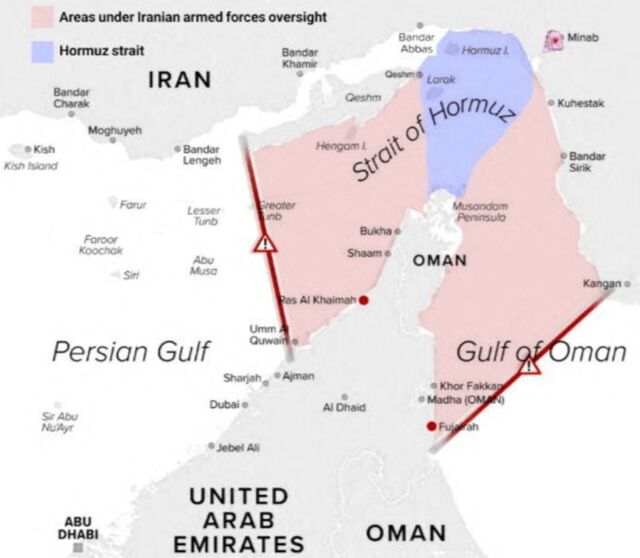
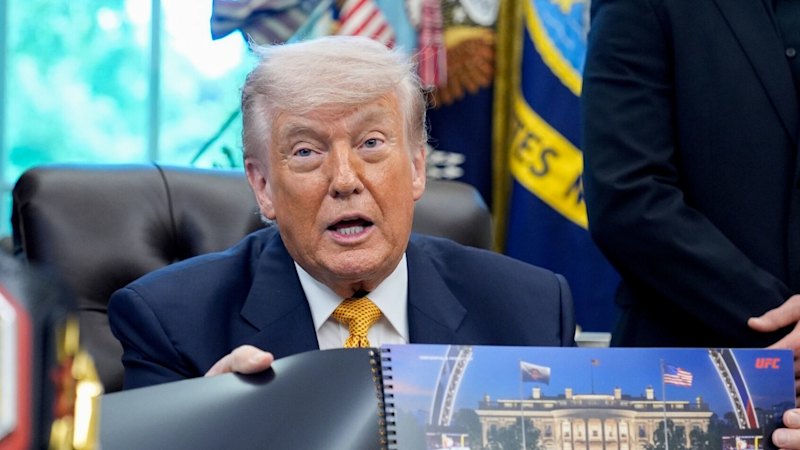
Washington — President Donald Trump said Wednesday at a Cabinet meeting that no single nation will control the Strait of Hormuz, calling it international waters and stating the United States will "watch over" transit while rejecting Iranian proposals for temporary control. The remarks came amid reports that the strait had been effectively closed since the start of the war and ongoing ceasefire negotiations. This week U.S. military actions near Bandar Abbas reportedly included strikes on a drone ground-control station and the downing of four attack drones, and Iran’s Revolutionary Guard later said it targeted a U.S. airbase in response; markets reacted with renewed oil volatility and officials warned the exchanges could jeopardize the ceasefire established in early April.
Prepared by Lauren Mitchell and reviewed by editorial team.
Timeline of Events
- Early April: A tenuous ceasefire between the U.S. and Iran takes effect.
- Since war began: The Strait of Hormuz has been effectively closed by Iran’s blockade; shippers avoid transit.
- Wednesday: President Trump told cabinet members the strait is international waters and the U.S. will "watch over" it.
- May 28: U.S. reportedly shot down four Iranian attack drones and struck a ground control station near Bandar Abbas.
- May 28 (hours later): Iran’s Revolutionary Guard said it targeted a U.S. airbase in retaliation.
Why This Matters to You
The Strait of Hormuz is a key oil transit route. If it remains closed, gas prices could rise. That means you might pay more at the pump. Keep an eye on gas prices in your area.
The Bottom Line
Tensions between the U.S. and Iran are high, affecting global oil markets. While the U.S. is committed to keeping the strait open, the situation remains uncertain. Worth forwarding if you know someone who's budgeting for summer travel.
- Articles Published:
- 4
- Right Leaning:
- 1
- Left Leaning:
- 1
- Neutral:
- 2
- Distribution:
- Left 25%, Center 50%, Right 25%
U.S. strategic and commercial interests may benefit from policies preserving unrestricted navigation and deterring exclusive control, sustaining global energy transit routes and reassuring commercial shippers.
Iran and regional actors may suffer diplomatic isolation and military escalation costs, with potential disruption for local ports, civilian shipping, and regional stability.



Comments