U.S., Iran Edge Closer to Limited Ceasefire Deal
Read, Watch or Listen
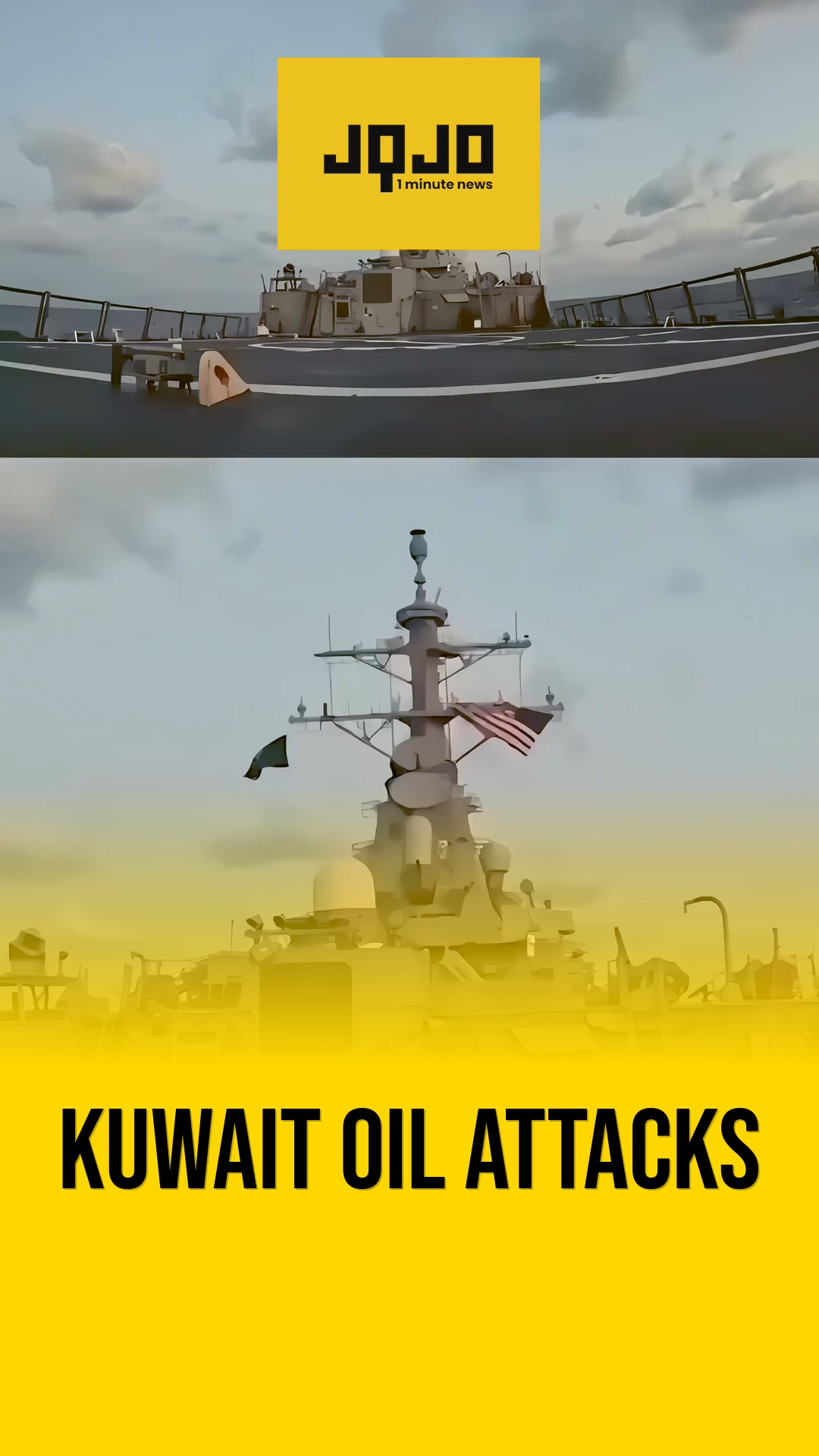
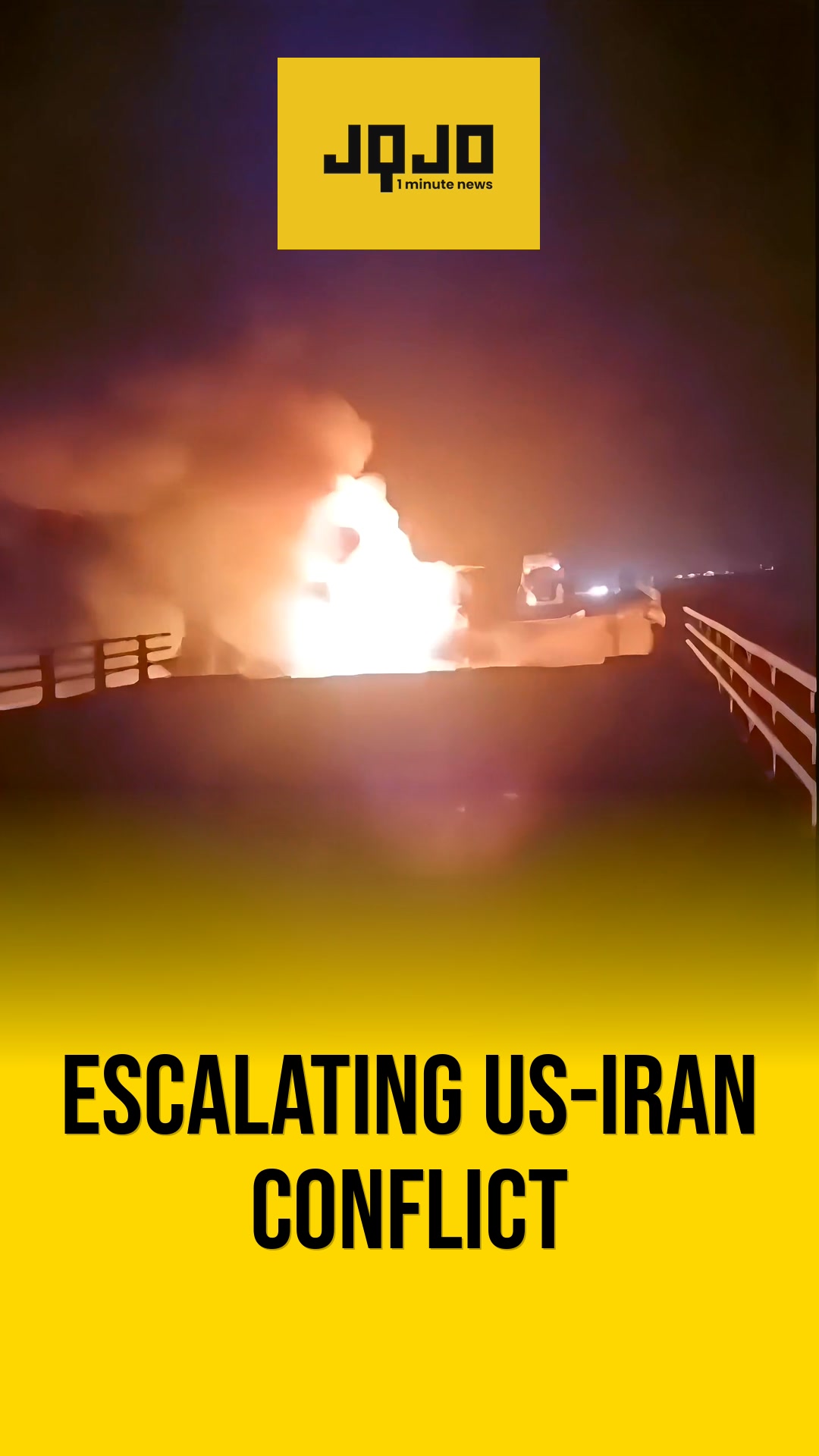
Washington — U.S. President Donald Trump said on May 23-24 he could decide within days whether to resume military action against Iran and stated a peace agreement with Iran was 'largely negotiated,' while Pakistan's army chief held de-escalation talks in Tehran and U.S. forces continued a naval blockade that rerouted 100 commercial vessels in the Strait of Hormuz. This week reports indicated the proposed package could include a 60-day ceasefire, reopening the Strait of Hormuz, and subsequent negotiations on Iran's nuclear program, with U.S. media citing possible Iranian commitments on highly enriched uranium; CENTCOM reported about 200 aircraft and warships involved and allowed limited humanitarian passages as final diplomatic exchanges proceed over the next three to four days.
Prepared by Rachel Morgan and reviewed by editorial team.
Aggregated From:
Timeline of Events
- May 23: CENTCOM announces rerouting of 100 commercial vessels amid blockade.
- May 23: President Trump says a decision on action could come within days.
- May 23: Pakistan's army chief concludes de-escalation meetings in Tehran.
- May 24: Media report a proposed 60-day ceasefire and reopening of Hormuz.
- May 24: Officials say finalization depends on imminent diplomatic exchanges over 3–4 days.
Why This Matters to You
This situation impacts global oil prices, which can trickle down to your gas pump. If the Strait of Hormuz reopens, it may stabilize prices. Keep an eye on your local gas prices in the coming weeks.
The Bottom Line
A potential ceasefire and reopening of a key trade route could ease tensions. But, it's not a done deal. The next few days of diplomacy are crucial. Worth forwarding if you know someone who's feeling the pinch at the pump.
- Articles Published:
- 11
- Right Leaning:
- 1
- Left Leaning:
- 0
- Neutral:
- 10
- Distribution:
- Left 0%, Center 91%, Right 9%
Commercial consumers and oil-importing nations would benefit from the reopening of the Strait of Hormuz through restored shipping routes and eased energy prices.
Iran's economy and exporters suffered from the naval blockade that rerouted commercial traffic and exerted severe economic pressure.
Coverage of Story:
From Left
No left-leaning sources found for this story.
From Center
U.S., Iran Edge Closer to Limited Ceasefire Deal
S A N A english.news.cn Bangladesh Sangbad Sangstha (BSS) The Straits Times Oman Observer MM NEWS LatestLY S A N A International Business Times Las Vegas Review-Journal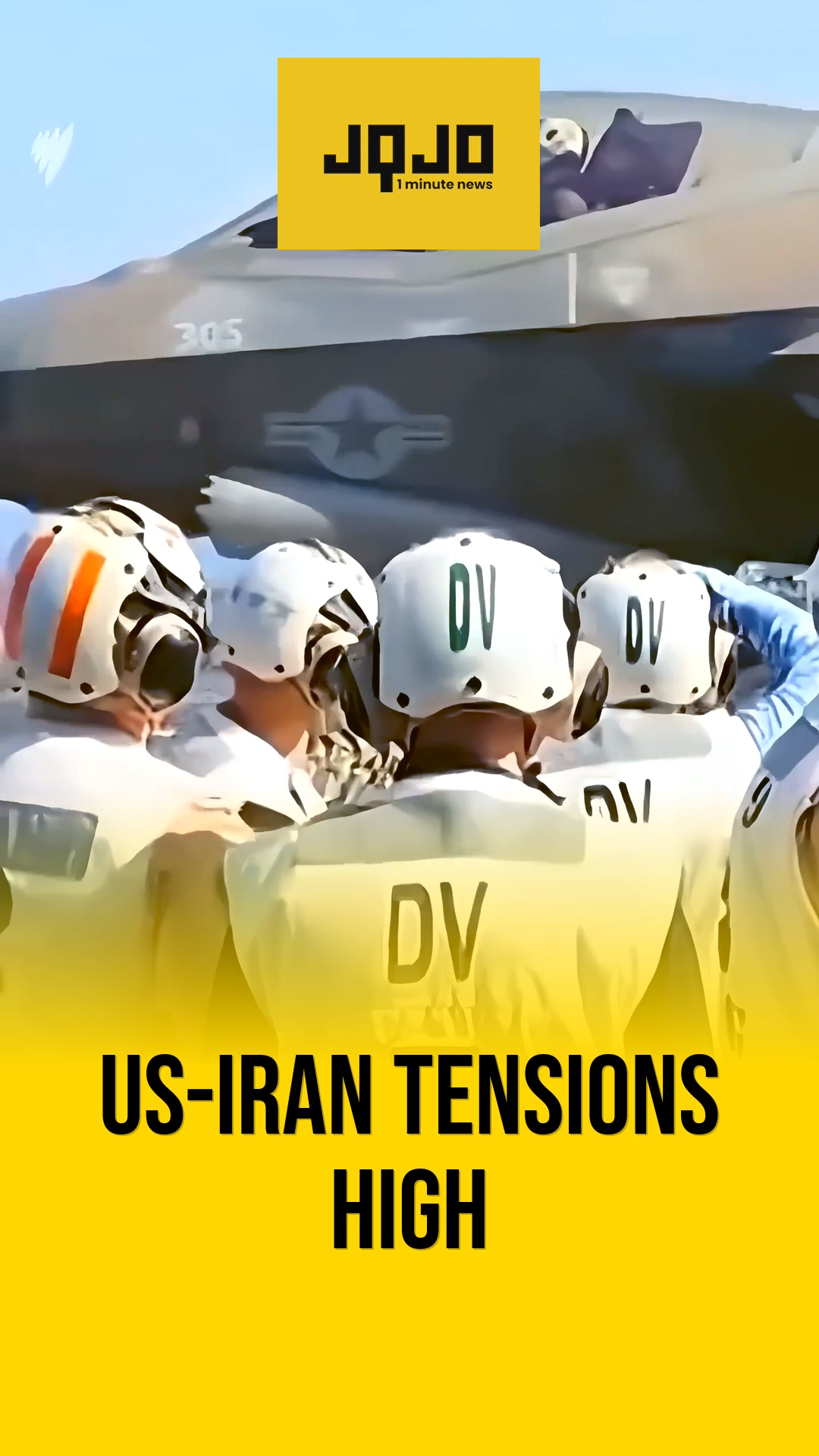


Comments