U.S. and Iran Exchange Strikes Near Hormuz Strait
Read, Watch or Listen
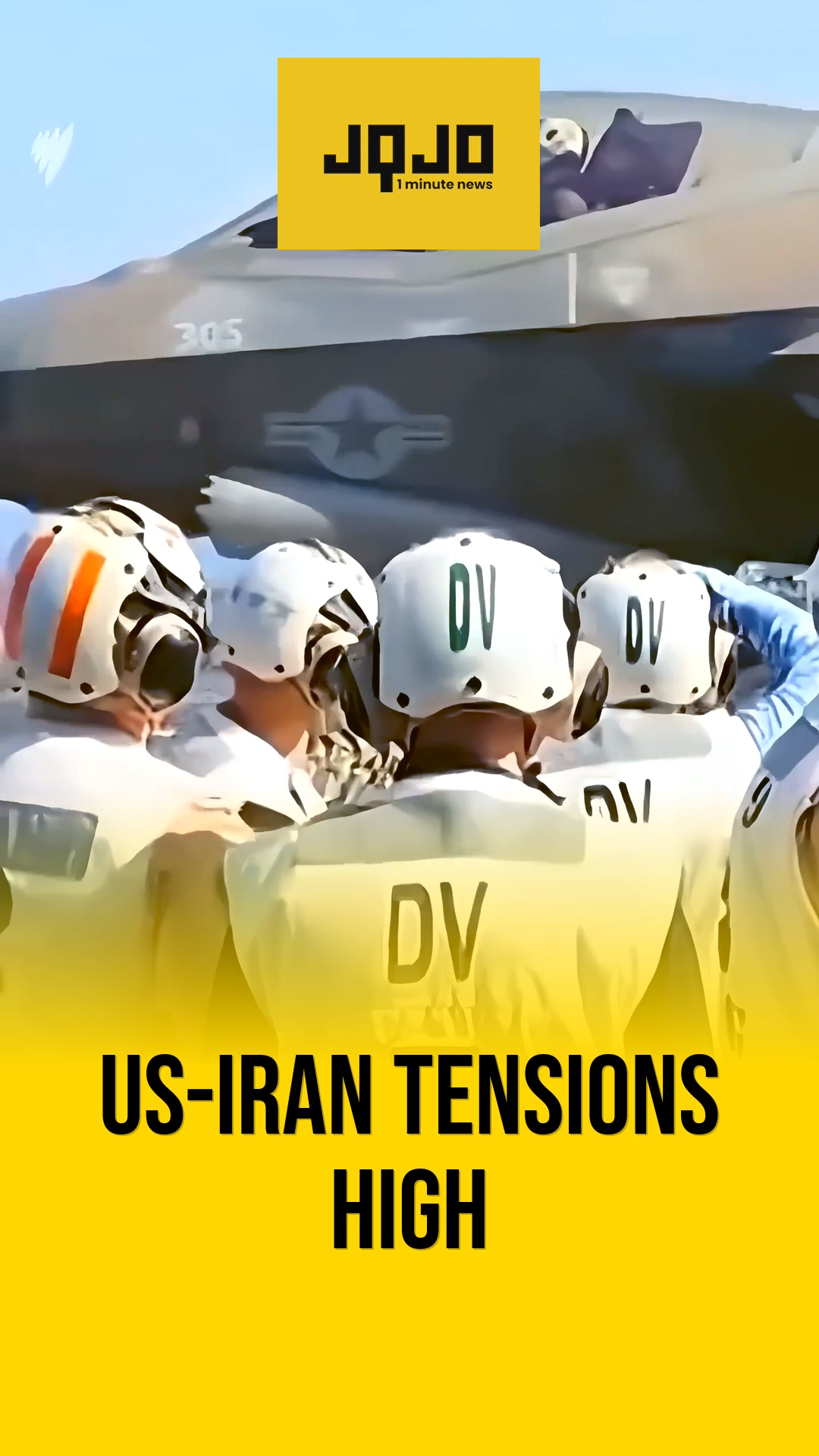
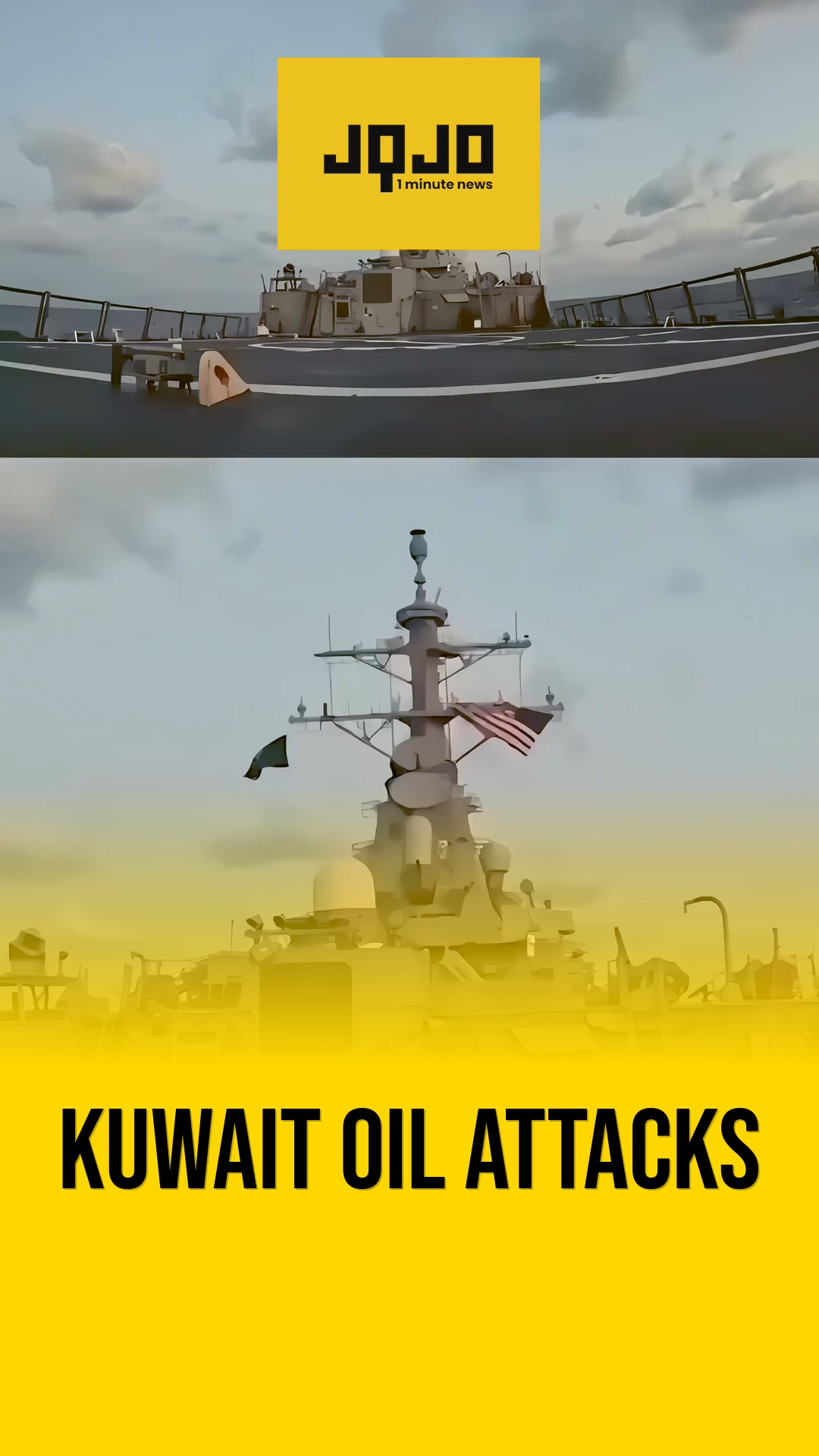
Washington — On May 7–8 U.S. forces reported intercepting what they characterized as unprovoked Iranian attacks on three Navy destroyers transiting the Strait of Hormuz and responded with self-defense strikes; Iran's Khatam al-Anbiya Central Headquarters countered that U.S. forces attacked two Iranian vessels and civilian areas in Hormozgan province, and that Iranian forces immediately retaliated. Tehran and Washington issued conflicting statements this week: President Donald Trump posted that the destroyers were undamaged, warned Iran to sign a deal quickly, and said U.S. forces had inflicted heavy damage, while Iranian spokesmen described significant damage to U.S. vessels and civilian impacts; official statements on May 7–8 left the ceasefire status contested and raised regional tensions.
Prepared by Rachel Morgan and reviewed by editorial team.
Aggregated From:
Timeline of Events
- May 7: U.S. Central Command reports interceptions of Iranian attacks on destroyers.
- May 7: President Trump posts warnings and urges Iran to sign a deal quickly.
- May 7–8: Iran's Khatam al-Anbiya HQ accuses U.S. of attacking two Iranian vessels and civilian areas.
- May 8: Iran reports it retaliated, claiming damage to U.S. vessels east of Hormuz and near Chabahar.
- May 8: Conflicting official accounts leave the ceasefire status contested and tensions elevated.
Why This Matters to You
This situation could affect global oil prices. The Strait of Hormuz is a key oil shipping route. If tensions escalate, it could disrupt oil supplies and drive up prices at the pump. Keep an eye on gas prices in your area.
The Bottom Line
The U.S. and Iran are in a tense standoff, with conflicting reports about damage and ceasefire status. Officials haven't confirmed all the details yet. It's a complex situation that could have ripple effects. Worth forwarding if you know someone who's watching their budget closely.
- Articles Published:
- 5
- Right Leaning:
- 1
- Left Leaning:
- 2
- Neutral:
- 2
- Distribution:
- Left 40%, Center 40%, Right 20%
The U.S. government demonstrated military response capability and used public statements to press for a rapid deal, reinforcing its strategic posture and diplomatic leverage.
Iranian civilian areas in Hormozgan province, including Bandar-e Khamir and Sirik, are reported struck, and maritime traffic and regional security were adversely affected by the exchanges.
Coverage of Story:
From Left
Trump says no damage done to U.S. destroyers, urges Iran to sign deal fast
english.news.cn english.news.cn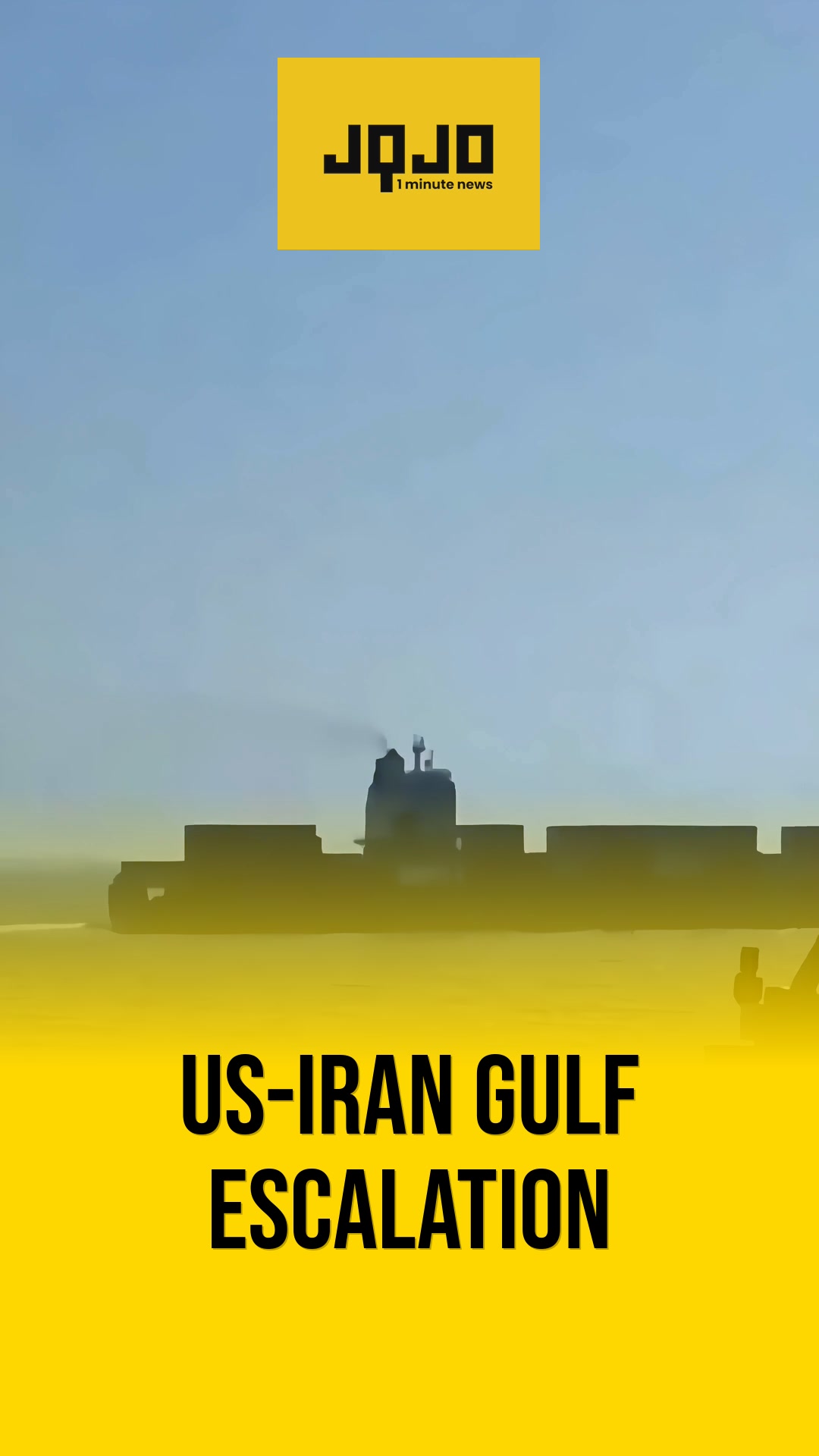



Comments