Trump extends ceasefire, keeps Hormuz blockade intact
Read, Watch or Listen
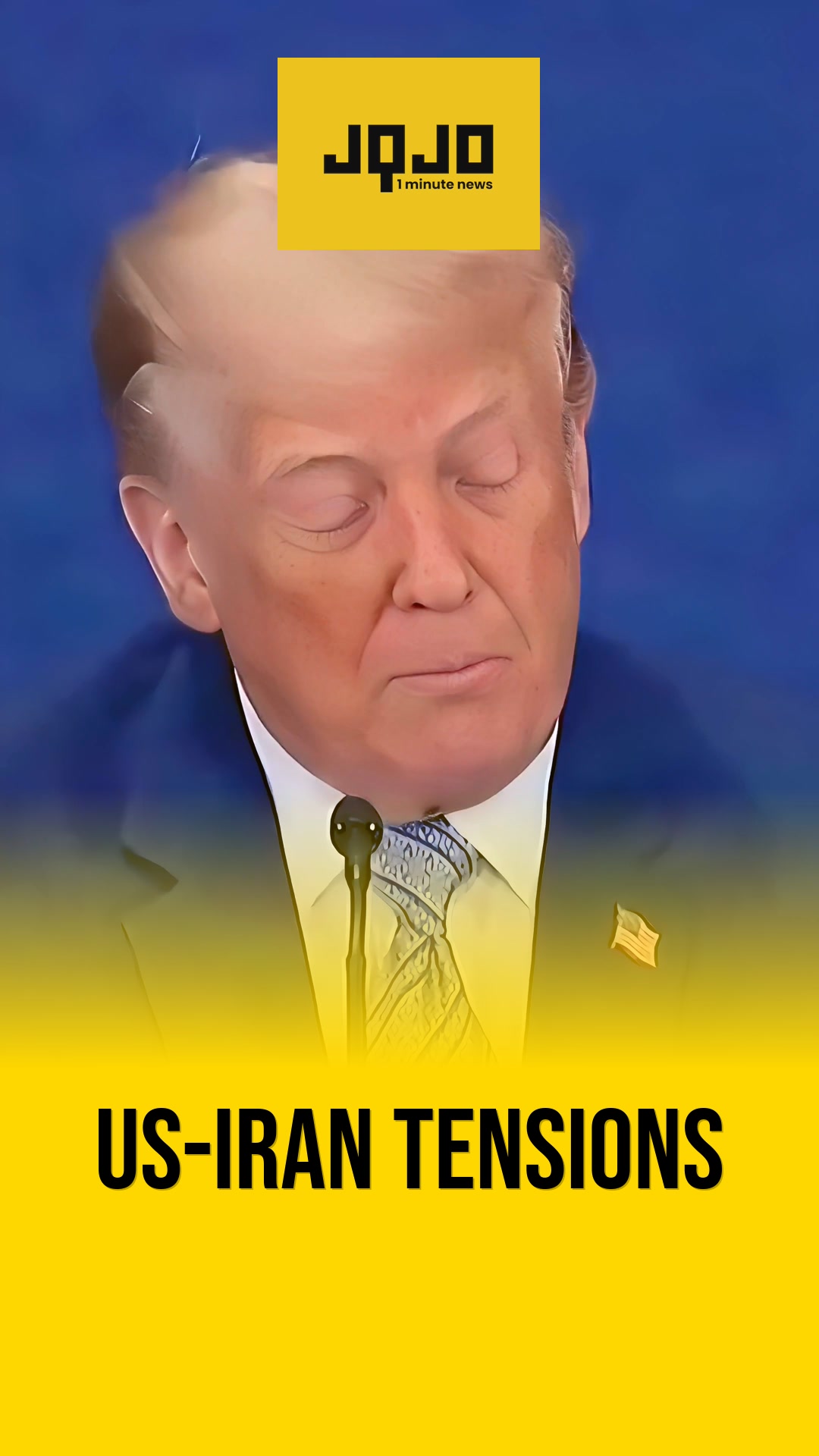
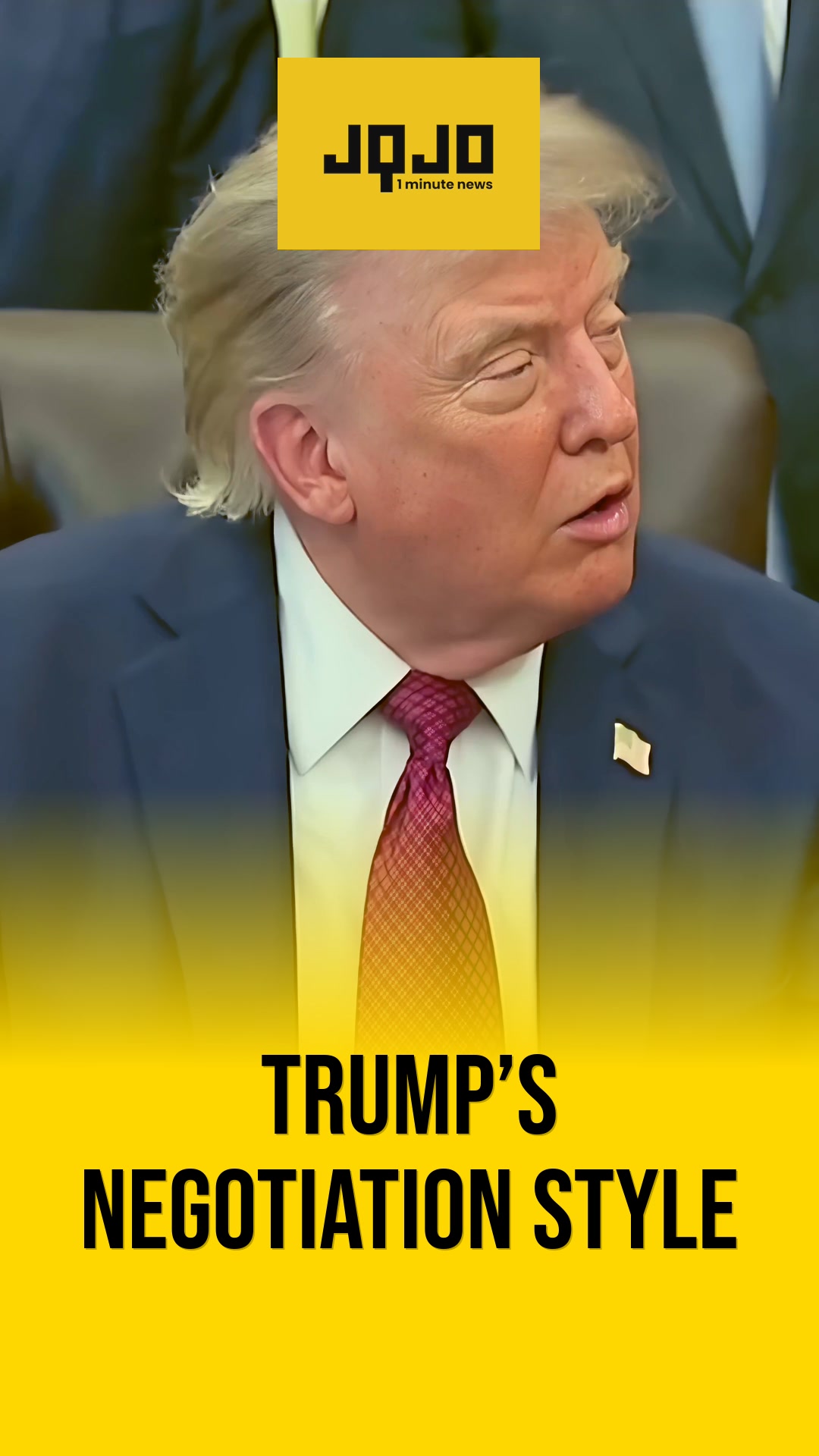
Washington — President Donald Trump extended an open-ended ceasefire with Iran on Tuesday while ordering the US Navy to continue enforcing a blockade in the Strait of Hormuz, and he asserted on Truth Social that the blockade is costing Iran about USD 500 million per day. The extension delayed the expiration of a two-week truce set for April 22 and followed mediation efforts involving Pakistan. Washington's decision prompted the White House to call off Vice‑President J.D. Vance's scheduled Islamabad trip and came after Tehran reportedly declined to attend talks; markets reacted on April 21 as Brent crude rose above US$100 a barrel, and US officials said they would wait for a unified Iranian proposal before resuming high-level diplomacy.
Prepared by Lauren Mitchell and reviewed by editorial team.
Timeline of Events
- April 21: Iran reportedly informed Pakistan it would not attend Islamabad talks.
- April 21: US Vice-President J.D. Vance's planned trip to Islamabad was cancelled.
- April 22: President Trump extended the two-week ceasefire indefinitely via a Truth Social post.
- April 22: Trump said the US naval blockade of the Strait of Hormuz would continue and claimed Iran was losing USD 500 million daily.
- April 22: Financial markets reacted, with Brent crude moving above US$100 a barrel.
Why This Matters to You
The Strait of Hormuz blockade affects oil prices. With Brent crude over $100 a barrel, you may notice higher gas prices. Keep an eye on your local pump prices. Consider carpooling or public transit to save money.
The Bottom Line
The US-Iran ceasefire continues, but so does the blockade. This tension can impact global oil prices and, in turn, your wallet. Worth forwarding if you know someone concerned about rising gas costs.
- Articles Published:
- 9
- Right Leaning:
- 0
- Left Leaning:
- 1
- Neutral:
- 8
- Distribution:
- Left 11%, Center 89%, Right 0%
The United States government preserved negotiating leverage by extending the ceasefire while maintaining the naval blockade, enabling continued pressure on Iran during diplomatic engagement.
Iran faced intensified economic pressure and constrained diplomatic options as the US naval blockade remained in place and the president claimed daily revenue losses of about USD 500 million.
Coverage of Story:
From Left
Trump unilaterally extends ceasefire despite Iran staying away from talks (Ld)
Social News XYZFrom Center
Trump extends ceasefire, keeps Hormuz blockade intact
TimesNow Asian News International (ANI) eNCAnews The Straits Times LatestLY The Straits Times The Straits Times Economic TimesFrom Right
No right-leaning sources found for this story.


Comments