Iran demands Hormuz blockade lifted before resuming talks
Read, Watch or Listen
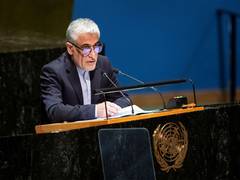
New York: Iran's UN Ambassador Amir Saeid Iravani said on April 22 that Tehran will enter negotiations only after the United States ends what he described as a naval blockade, calling the blockade a violation of the ceasefire and stating that Iran is prepared for talks or, if necessary, military response. Iravani told Rudaw, as reported by Tasnim, that he had received signals the blockade might be lifted and that the next round of negotiations could take place in Istanbul once it is; the statement was circulated this week by multiple international outlets and has prompted diplomatic monitoring and calls for clarification from mediators.
Prepared by Lauren Mitchell and reviewed by editorial team.
Timeline of Events
- Prior to April 22: Iranian officials report U.S. naval operations described as a blockade in the Strait of Hormuz.
- April 22: UN Ambassador Amir Saeid Iravani gives an interview to Rudaw at UN HQ, comments publicly on the blockade.
- April 22: Tasnim News Agency publishes Iravani's remarks; international wire services republish the statements.
- April 22 onward: Iran states a next negotiation round could occur in Istanbul once the blockade is lifted.
- Post-statement: Diplomatic channels and international media monitor for U.S. response and any changes to naval posture.
Why This Matters to You
The Strait of Hormuz is a key global oil route. Any tension there can affect gas prices here at home. If you're planning a road trip or budgeting for your commute, keep an eye on this situation.
The Bottom Line
Iran wants the U.S. to lift a naval blockade before talks resume. They're ready for negotiation or military action. Officials haven't confirmed how the U.S. will respond yet. Worth forwarding if you know someone who tracks global events closely.
- Articles Published:
- 8
- Right Leaning:
- 0
- Left Leaning:
- 0
- Neutral:
- 8
- Distribution:
- Left 0%, Center 100%, Right 0%
Iran gains diplomatic leverage by conditioning talks on lifting the maritime blockade, while mediators and international envoys stand to play larger roles if negotiations resume.
Maritime operators, regional economies, and diplomatic relations between Washington and Tehran face increased strain and elevated risk of escalation due to the blockade dispute.
Coverage of Story:
From Left
No left-leaning sources found for this story.
From Center
Iran demands Hormuz blockade lifted before resuming talks
Asian News International (ANI) Times of Oman Rising Kashmir Economic Times United Kingdom News Greater Kashmir LatestLY Asian News International (ANI)From Right
No right-leaning sources found for this story.


Comments