SCIENCE
July's Buck Moon Peaks, Planetary Views to Follow
▪
Read, Watch or Listen
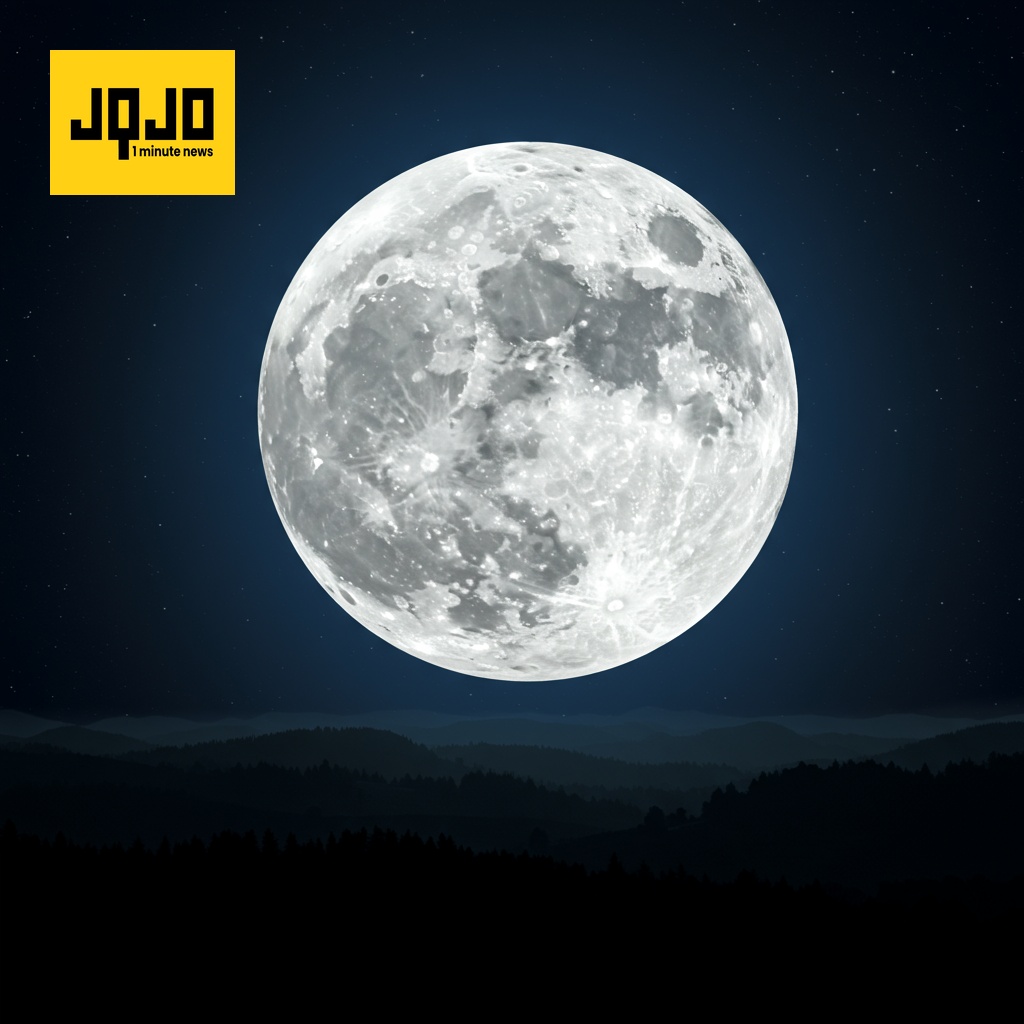
The July full moon, also known as the buck moon, reached its peak illumination on July 10. Visible for a day or so on either side of the peak, it's best viewed after sunset with an unobstructed eastern horizon. Indigenous names for the moon reflect summer events like bird molting and salmon migration. While no planets are visible during the full moon, Venus, Jupiter, and Mars will be visible later in July. The year also marks the 60th anniversary of Mariner 4's Mars flyby. Five more full moons, including three supermoons, and a total lunar eclipse and partial solar eclipse are expected later this year.
Prepared by Olivia Bennett and reviewed by editorial team.







Comments