Samsung Builds Private AI Cloud
Tap title to read story
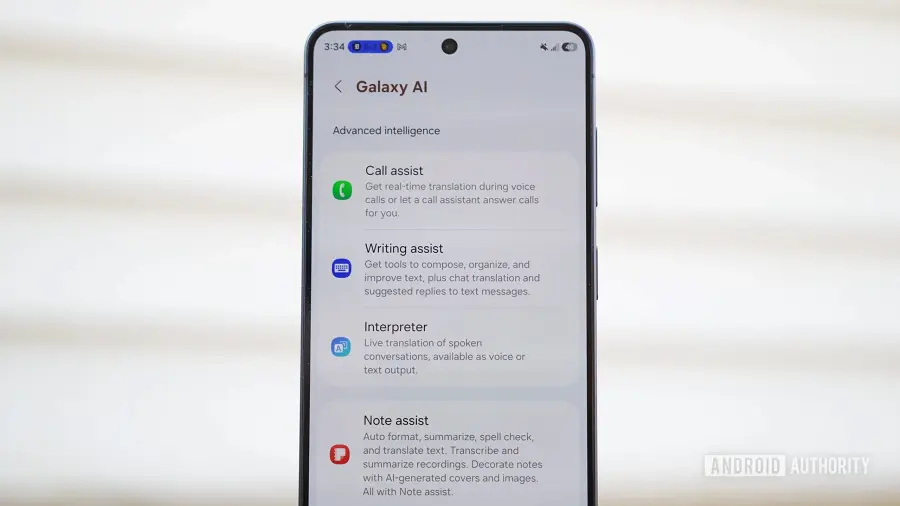
Samsung’s One UI 9.5 Beta 1 contains code that references a new framework called “SPAC,” which stands for Samsung Private AI Cloud. The code indicates that SPAC will process AI requests on Samsung’s servers while keeping the data private, closely following Apple’s Private Cloud Compute blueprint. SPAC references AI models such as Google’s Gemma 4 and Alibaba’s Qwen 3.6. The framework is not yet active on the Galaxy S26 Ultra, and Samsung has not announced it publicly. Galaxy AI has historically forced users to choose between privacy and capability: on‑device features keep data local, while more powerful functions—Writing Assist, Note Assist, and generative photo edits—send data to Samsung’s servers. Samsung’s policy states that images sent for processing will not be stored, but the data is still transmitted. Users can disable cloud‑based features entirely by toggling “Process data only on device” in Galaxy AI Settings. Apple introduced a similar solution two years ago with Private Cloud Compute in iOS 18, promising encrypted, anonymized server‑side processing that even Apple cannot access. Google and Meta have since released comparable offerings, each claiming that personal data remains private. The One UI 9.5 beta suggests Samsung is developing its own version of this technology, mirroring Apple’s approach to extend device‑level privacy to server‑side AI processing.
More context
Timeline
- 2024 — Exclusive: Samsung is working on a private cloud for Galaxy AI, and it could look a lot like
- Sep 29, 2026 — Samsung is finally moving away from Microsoft to Google; I love it
- Nov 18, 2026 — Samsung Electronics Downplays Risks Posed by New Cloud Service Providers, Stating They Are Insuffici
- Jul 7, 2026 — Samsung says it will launch a floating data center by 2028
- Sep 23, 2026 — Samsung lands private AI-RAN roles with KT, SKT
- Sep 28, 2026 — SKT, Samsung fete private 5G for Korean financial sector
Why it matters
Samsung’s SPAC private cloud could shift AI privacy standards, matching Apple’s model and challenging data‑control norms. Consumers may gain stronger data protection, while competitors face pressure to adopt similar secure frameworks.
Coverage notes
Tech Advisor and Androidpolice focus on subscription and platform shifts, highlighting user privacy concerns. Mezha.net and Fierce Network emphasize enterprise implications, noting private 5G and AI‑RAN collaborations.
Primary report
Android Authority — Samsung Builds Private AI Cloud
Sources
JQJO Editorial Desk · Human reviewed · AI assisted. Report a correction.