
Kalimantan Fires Persist Despite Rain
Tap title to read story
In Kalimantan, the Indonesian portion of the island of Borneo, rain is bringing relief to the months‑long fire season.
Around 684,000 hectares (1.69 million acres) of land burned between January and September, amounting to 36 % of the national total, despite the region comprising just 28 % of the country’s land area.
However, even with the rain, the threat has not completely passed.
Satellite data from NASA show many fires continuing to burn in the forests of Kalimantan, while observers told Mongabay fire hotspots have shifted to other, drier areas.
This year’s intense fire season has been fueled by the super El Niño weather pattern, which dramatically reduced seasonal rainfall across the country and prompted the dry season to last unusually long — even longer than during the catastrophic fire events of 2015 and 2019.
By September, some 12.5 million people in Indonesia had been impacted by fire or smoke, according to the Indonesian Ministry of Health.
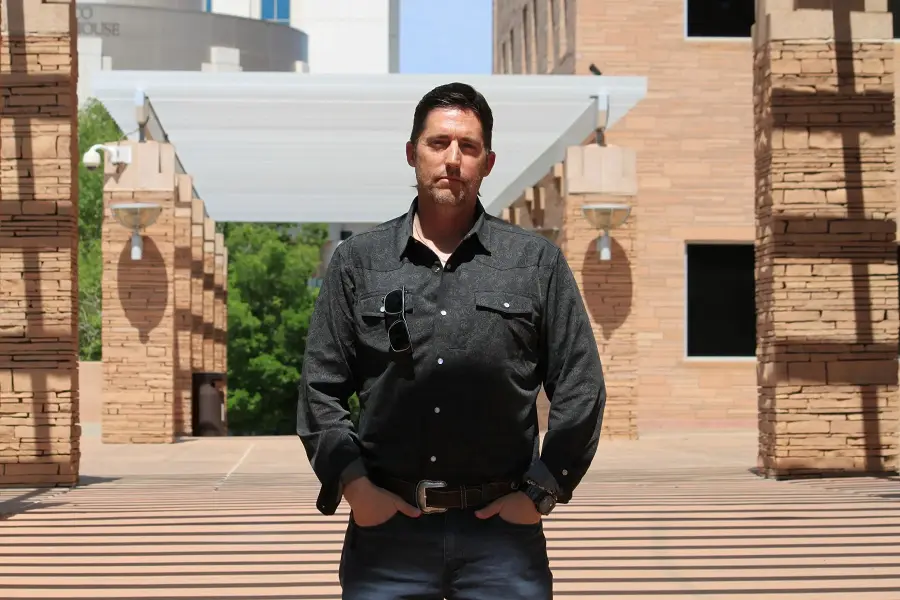
Katarina Rina, 53, is one of those affected.
Rina, a farmer from Hulu Sungai subdistrict in the hills of the Gunung Naning protected forest in Ketapang district, West Kalimantan province, said the level of fire activity was unprecedented in her area.
“We have had fires before, but they were quickly controlled, it has never been this bad,” she said in a video interview with Mongabay.
“This time the fires spread into the forests and farmland.
More context
Timeline
- 2026 — Indonesia may need 350 years to recover land burned in 2026 wildfires
- Sep 9, 2026 — Indonesia Wildfire Timeline 1997-2026: Peat Fires & El Nino - AiTimeline
- Nov 11, 2026 — “If we burn, you burn with us”: People power grows amid Indonesia's fire and haze crisis
- Oct 6, 2026 — Can Southeast Asia Achieve a Fire-Free El Niño Season? Part 1 - The Warning Signs Are Here
Why it matters
Indonesia’s 684,000‑hectare burn, 36% of national total, threatens biodiversity and global carbon cycles. The 350‑year recovery estimate underscores long‑term climate risks, prompting urgent policy and aid responses.
Coverage notes
Greenpeace and Phys.org highlight community activism and scientific urgency, driving mainstream environmental coverage. Major outlets like InsideASEAN and ReliefWeb emphasize governmental aid gaps, shaping public scrutiny.
Primary report
Mongabay (feed) — Kalimantan Fires Persist Despite Rain
Sources
JQJO Editorial Desk · Human reviewed · AI assisted. Report a correction.