Cellphone Bans Yield Small Learning Gains
Tap title to read story
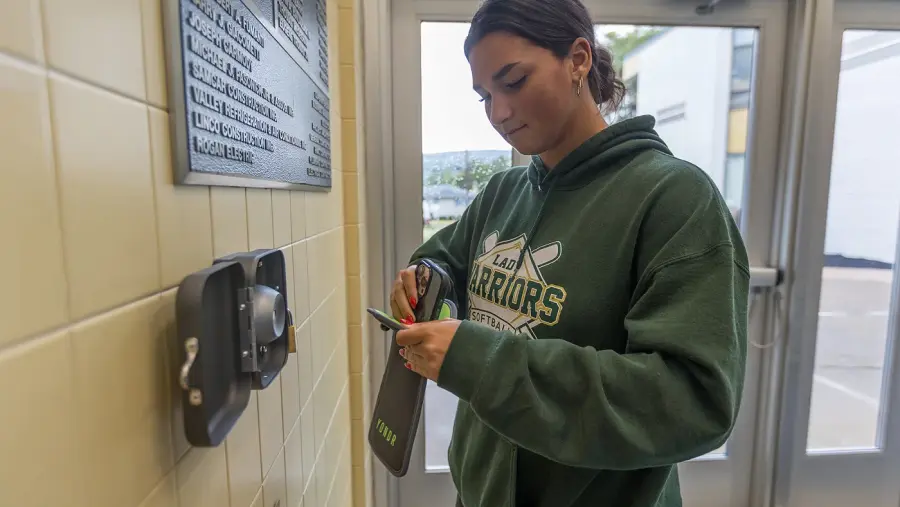
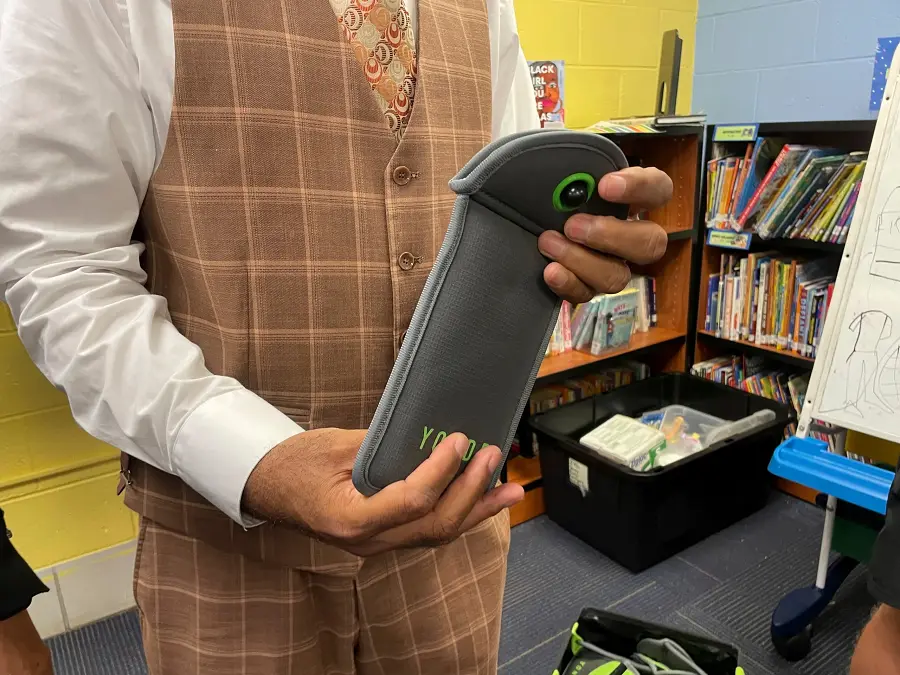
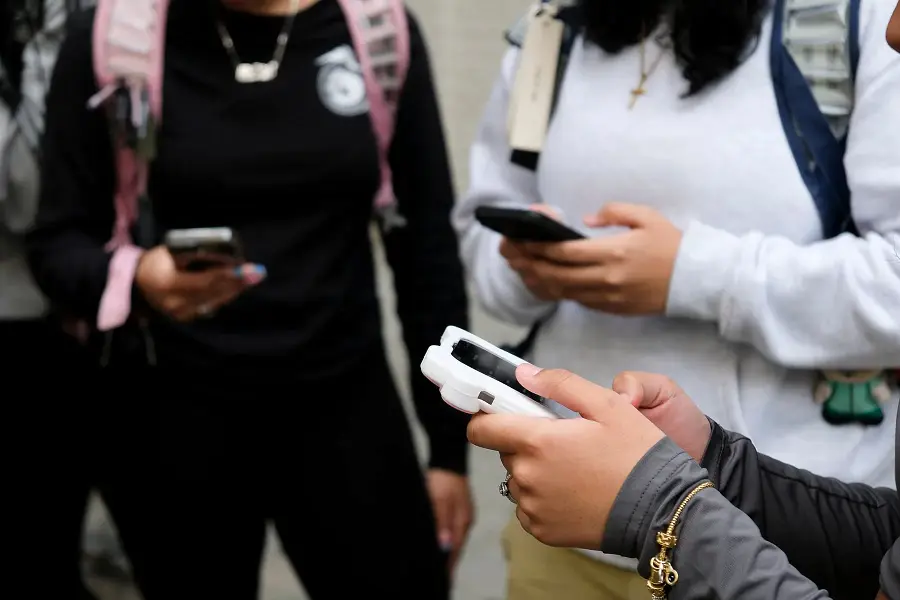
A new nationwide study shows that locking students’ phones in pouches during school can restore some lost learning. Researchers from Harvard, Dartmouth, and NWEA analyzed more than three million students over five years, finding that strict cellphone bans plug about half of the learning leak that began around two to three weeks per year in 2013. The study reports an improvement equivalent to one to two weeks of learning annually, a statistically significant gain that persisted for up to three years after implementation. A separate April study found no meaningful impact, indicating mixed results across research. The findings suggest that phone bans may gradually improve test scores, though the effect remains modest.
More context
Timeline
- On January 1 2013 Students began losing two to three weeks of learning annually.
- On November 17 2026 Study released, reporting one to two weeks learning gains.
Why it matters
Immediate US impact: Students may see modest test score improvements in short term Possible long-term US impact: Potential gradual reversal of learning loss over years Most affected groups: Students in schools with strict cellphone bans Reader priority: Understanding policy impact on academic performance
Coverage notes
Center: Coverage from The Washington Post, Axios, Local News Matters frames this as a developing news story: Cellphone Bans Yield Small Learning Gains. Reporting emphasizes verified facts, named sources, and near-term impact for readers. Left: Left-leaning desks covering the same development typically emphasize public impact, institutional accountability, and who is most affected. Right: Right-leaning desks covering the same development typically emphasize practical outcomes, market or security stakes, and institutional response.
Primary report
NPR — Cellphone Bans Yield Small Learning Gains
Sources
JQJO Editorial Desk · Human reviewed · AI assisted. Report a correction.