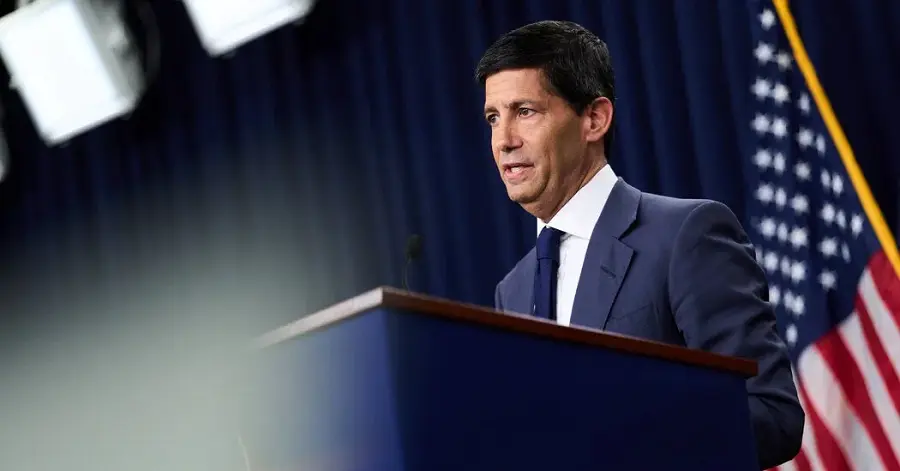
Fed Chair Warns AI Could Disappoint
Tap title to read story
On Monday, Kevin M. Warsh, chairman of the Federal Reserve, highlighted the uncertainty surrounding the artificial intelligence boom. He noted that productivity growth has been reasonably strong but has not yet broken out definitively and structurally to the upside. Warsh said that in the most positive scenario, AI could increase productivity and economic gains that are shared broadly across labor and capital owners, raising growth above its long‑run average while keeping unemployment steady. In a gloomier case, he warned of substantial labor‑market disruption, with jobs displaced rather than complemented, leading to higher growth but rising unemployment. He also cautioned that AI returns could disappoint relative to the enormous investment in the technology, potentially slowing the economy as broader markets fall.
More context
Timeline
- On November 16 2026 Warsh announces AI task force at Fed conference.
Why it matters
Immediate US impact: AI productivity gains may alter employment and market returns Possible long-term US impact: Potential long‑term shifts in labor market structure and growth Most affected groups: Workers in automation‑prone sectors and capital owners Reader priority: Understand AI’s dual impact on growth and employment
Coverage notes
Center: Coverage from dnyuz.com, Moomoo, Bloomberg.com frames this as a developing news story: Fed Chair Warns AI Could Disappoint. Reporting emphasizes verified facts, named sources, and near-term impact for readers. Left: Left-leaning desks covering the same development typically emphasize public impact, institutional accountability, and who is most affected. Right: Right-leaning desks covering the same development typically emphasize practical outcomes, market or security stakes, and institutional response.
Primary report
The New York Times — Fed Chair Warns AI Could Disappoint
Sources
JQJO Editorial Desk · Human reviewed · AI assisted. Report a correction.