Peanuts May Boost Brain Insulin Responsiveness
Tap title to read story
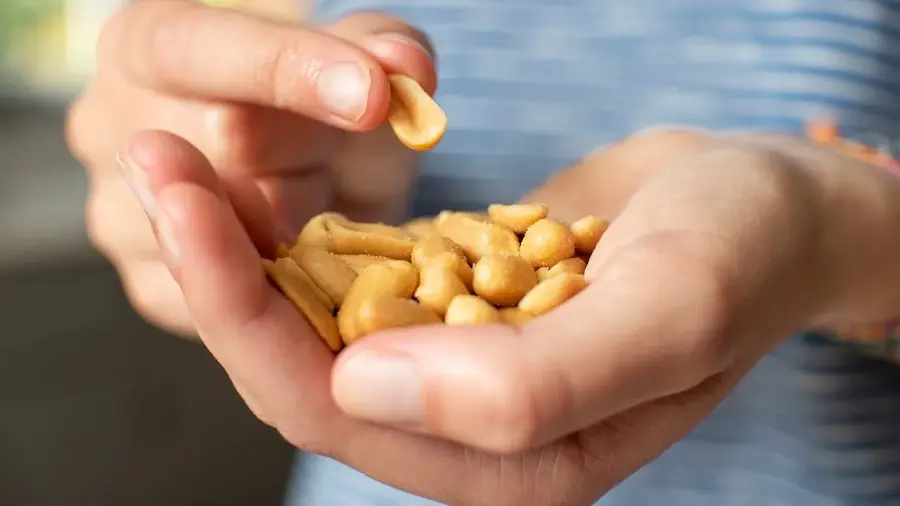
A small study by researchers at Maastricht University Medical Center in the Netherlands, published in the journal Food & Function in September, found that eating peanuts regularly may improve how the brain's memory‑related regions respond to insulin.
The study involved 31 healthy older adults between the ages of 60 and 75 who ate 60 grams, or around two servings, of peanuts daily for 16 weeks.
Participants could choose what time of day they ate the skin‑roasted peanuts, which were provided in premeasured packets.
During a control phase of the study, participants did not eat any peanuts.
Using MRI scans to measure various aspects of brain health, the researchers discovered that eating peanuts every day for 16 weeks led to an approximately 4% increase in overall blood flow in the brain.
More context
Timeline
- On October 30 2026 ScienceDaily releases peanut brain benefit study.
- On November 1 2026 Study confirms improved insulin responsiveness after peanuts.
- On November 1 2026 Researchers note four percent increase in brain blood flow.
Why it matters
Immediate US impact: No immediate economic impact reported Possible long-term US impact: Potential long‑term health benefits for older adults Most affected groups: Older adults aged sixty to seventy‑five Reader priority: Health and wellness readers
Coverage notes
Center: Coverage from medicalnewstoday.com, Scripps News, News-Medical frames this as a developing news story: Peanuts May Boost Brain Insulin Responsiveness. Reporting emphasizes verified facts, named sources, and near-term impact for readers. Left: Left-leaning desks covering the same development typically emphasize public impact, institutional accountability, and who is most affected. Right: Right-leaning desks covering the same development typically emphasize practical outcomes, market or security stakes, and institutional response.
Primary report
Fox News — Peanuts May Boost Brain Insulin Responsiveness
Sources
JQJO Editorial Desk · Human reviewed · AI assisted. Report a correction.