Voters Reject Data Centres in Midterms
Tap title to read story
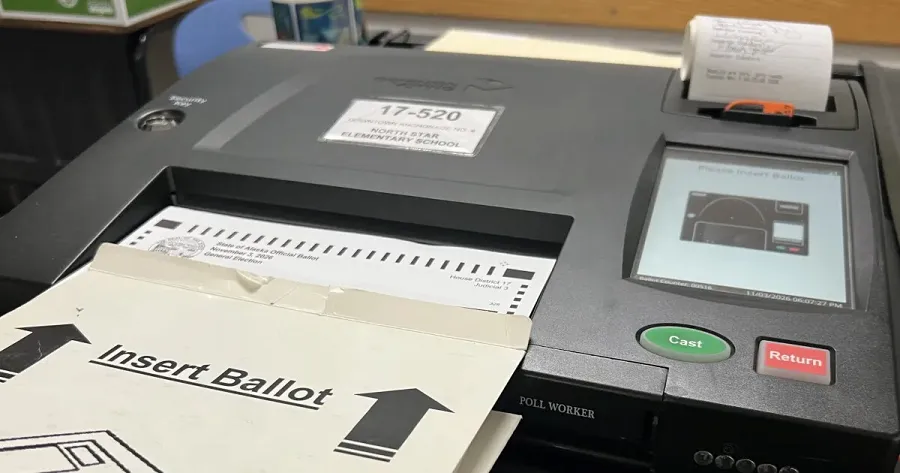
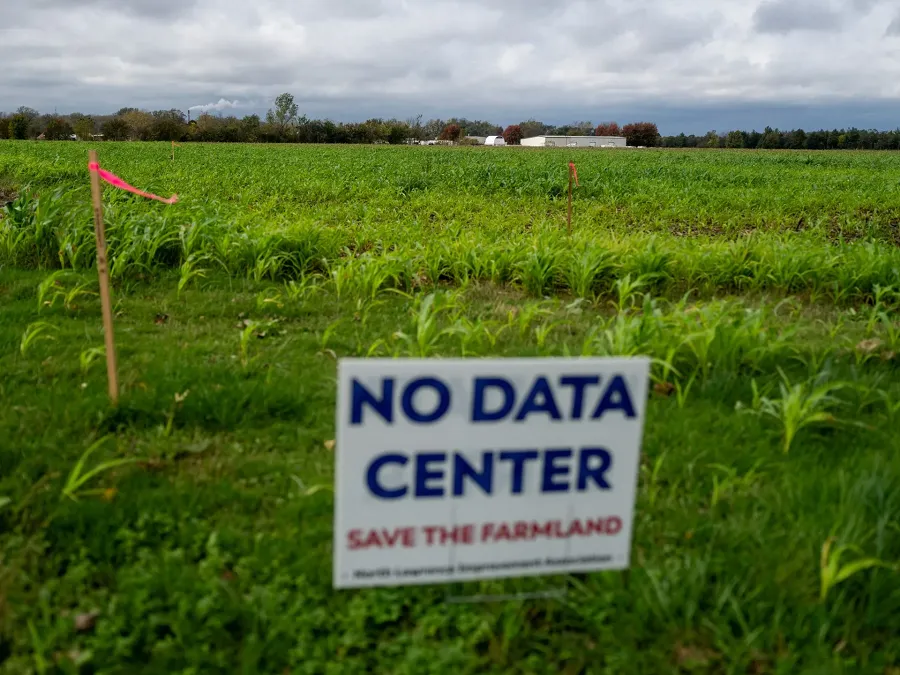
In September, a poll revealed that seventy percent of Democrats and fifty‑seven percent of Republicans favored limiting new data‑centre construction. The Tuesday midterm election tested that sentiment, with analysts watching key races for a public backlash. Forty‑one ballot measures addressed data‑centres across the country, and voters are on track to reject development in all but one contest. Only Harwood, North Dakota, a town with fewer than eight hundred residents, voted to oppose limits. Experts note the debate has become bipartisan, tied to cost‑of‑living concerns and job stability fears. As of April, the Pew Research Center estimated three thousand data‑centres existed, with more than one thousand five hundred in progress, driven largely by artificial intelligence growth.
More context
Timeline
- On April 1 2026 Pew estimates three thousand data‑centres nationwide.
- On September 1 2026 Poll shows majority support limiting data‑centre construction.
- On November 7 2026 Forty‑one ballot measures on data‑centres voted.
- On November 7 2026 Harwood, North Dakota, rejects data‑centre limits.
- On November 7 2026 Voters reject data‑centre development in all but one measure.
Why it matters
Immediate US impact: Voters reject data‑centre projects, slowing construction boom Possible long-term US impact: Potential slowdown in AI infrastructure expansion Most affected groups: Local communities near proposed data‑centres Reader priority: Understand how elections influence tech infrastructure
Coverage notes
Center: Coverage from usbank.com, douyin.com, yahoo.com frames this as a developing news story: Voters Reject Data Centres in Midterms. Reporting emphasizes verified facts, named sources, and near-term impact for readers. Left: Left-leaning desks covering the same development typically emphasize public impact, institutional accountability, and who is most affected. Right: Right-leaning desks covering the same development typically emphasize practical outcomes, market or security stakes, and institutional response.
Primary report
Al Jazeera — Voters Reject Data Centres in Midterms
Sources
JQJO Editorial Desk · Human reviewed · AI assisted. Report a correction.