Microplastics Generate Reactive Species in Water
Tap title to read story
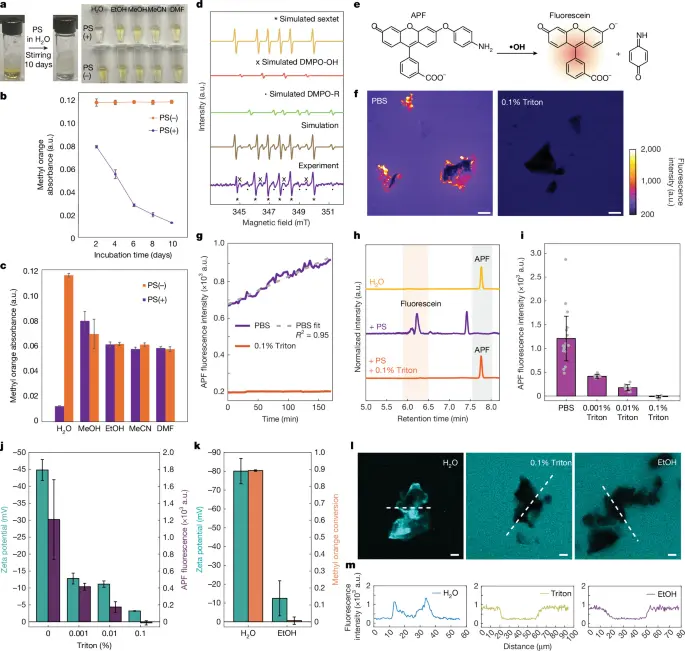
Recent research reveals that common microplastics, when exposed to water, generate reactive species that can degrade pollutants. The study, conducted by American scientists, used polystyrene powders and monitored the breakdown of methyl orange over ten days. Results indicated significant degradation in the presence of microplastics, suggesting a new pathway for environmental cleanup.
The findings raise concerns about the broader ecological impact of microplastics. While they may aid in pollutant removal, the reactive species they produce could also pose health risks to aquatic life and humans. Further investigation is needed to balance potential benefits against environmental safety.
More context
Timeline
- On October 15 2026 Article reports microplastics degrade methyl orange in water.
Why it matters
Immediate US impact: Potential for new water treatment methods Possible long-term US impact: Risk of harmful reactive species in ecosystems Most affected groups: Aquatic organisms and human consumers Reader priority: Understand environmental and health implications
Coverage notes
Center: Coverage from Nature frames this as a developing news story: Microplastics Generate Reactive Species in Water. Reporting emphasizes verified facts, named sources, and near-term impact for readers. Left: Left-leaning desks covering the same development typically emphasize public impact, institutional accountability, and who is most affected. Right: Right-leaning desks covering the same development typically emphasize practical outcomes, market or security stakes, and institutional response.
Primary report
Nature — Microplastics Generate Reactive Species in Water
Sources
JQJO Editorial Desk · Human reviewed · AI assisted. Report a correction.