Egyptian Farmer Discovers Ancient Ramses II Statues
Tap title to read story
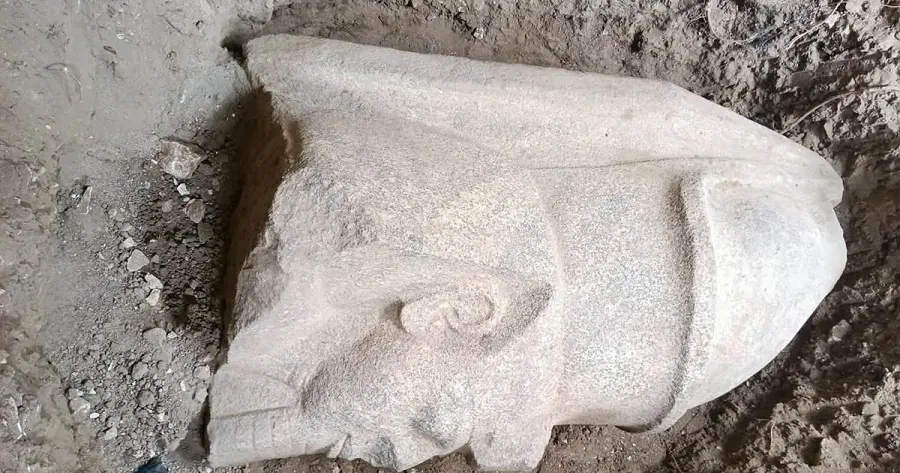
An Egyptian farmer, Khaled al‑Shahat, uncovered a pink granite block while working his field in Al Gharbia Governorate. The block bore royal titles of King Ramses II, who reigned from one‑two‑seven‑nine B.C.
to one‑two‑one‑three B.C. Archaeologists began excavations and found a colossal head, about one‑six‑meter high, and other statue fragments.
The discovery highlighted the region’s ancient heritage and attracted national attention. Minister Sherif Fathy honored al‑Shahat with certificates and a trip to Saudi Arabia for Umrah, recognizing his honesty and civic responsibility. Ongoing digs aim to reveal more about the statues’ original placement and the area’s architectural history.
More context
Timeline
- On October 15 2026 Al‑Shahat discovers pink granite block on his farm.
- On October 18 2026 Minister Fathy honors farmer with certificates and pilgrimage trip.
Why it matters
Immediate US impact: None Possible long-term US impact: None Most affected groups: Egyptian farmers, archaeologists Reader priority: Highlight cultural heritage
Coverage notes
Center: Coverage from CBS News frames this as a developing news story: Egyptian Farmer Discovers Ancient Ramses II Statues. Reporting emphasizes verified facts, named sources, and near-term impact for readers. Left: Left-leaning desks covering the same development typically emphasize public impact, institutional accountability, and who is most affected. Right: Right-leaning desks covering the same development typically emphasize practical outcomes, market or security stakes, and institutional response.
Primary report
CBS News — Egyptian Farmer Discovers Ancient Ramses II Statues
Sources
JQJO Editorial Desk · Human reviewed · AI assisted. Report a correction.