Leap Second Debate Threatens Global Timekeeping
Tap title to read story
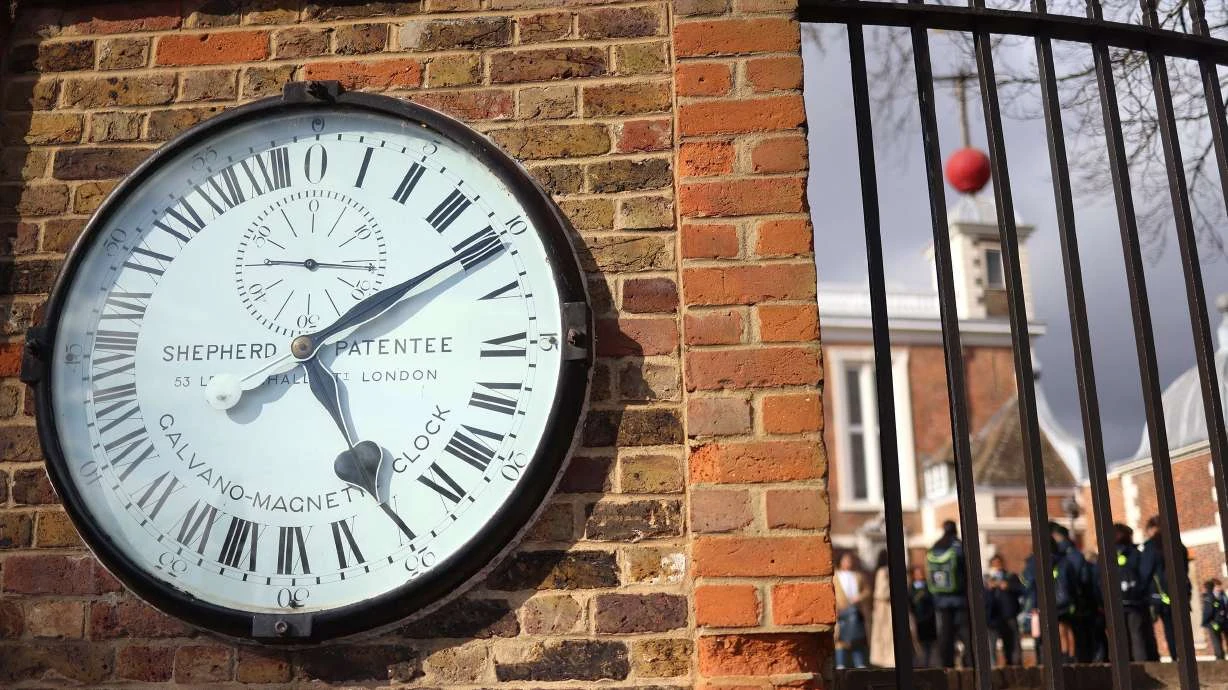
The debate over the leap second threatens to reshape how the world measures time. Since its introduction in nineteen seventy‑two, the adjustment has been inserted twenty‑seven times, keeping Coordinated Universal Time in sync with Earth’s irregular rotation. The International Earth Rotation Service now plans to eliminate the leap second, a move that could simplify atomic clocks but sever a centuries‑old link between the sky and our calendars.
Tech giants have already felt the impact. In two‑thousand‑twelve, a leap second crashed Reddit and LinkedIn, while the 2016 adjustment caused outages for Cloudflare. The proposed change, announced with only six months’ notice, raises concerns for high‑frequency trading, telecommunications, and power grids that rely on precise timing.
If the leap second is removed, systems will need new protocols to maintain synchronization, potentially sparking a wave of software updates and infrastructure upgrades across the globe.
Timeline
- 1972 — Leap second introduced to align atomic clocks with Earth’s rotation
- 2015-06 — Last leap second added before 2016, marking twenty‑sixth adjustment
- 2016-12 — Leap second addition caused Cloudflare outages, highlighting infrastructure vulnerability
- On October 13 2026 International vote scheduled to eliminate leap second, impacting global timekeeping.
- On October 13 2026 Announcement of potential leap hour, sparking debate among scientists and.
Sources
JQJO Editorial Desk · Human reviewed · AI assisted. Report a correction.