Voting Rights Act Faces Two Major Legal Challenges
Tap title to read story
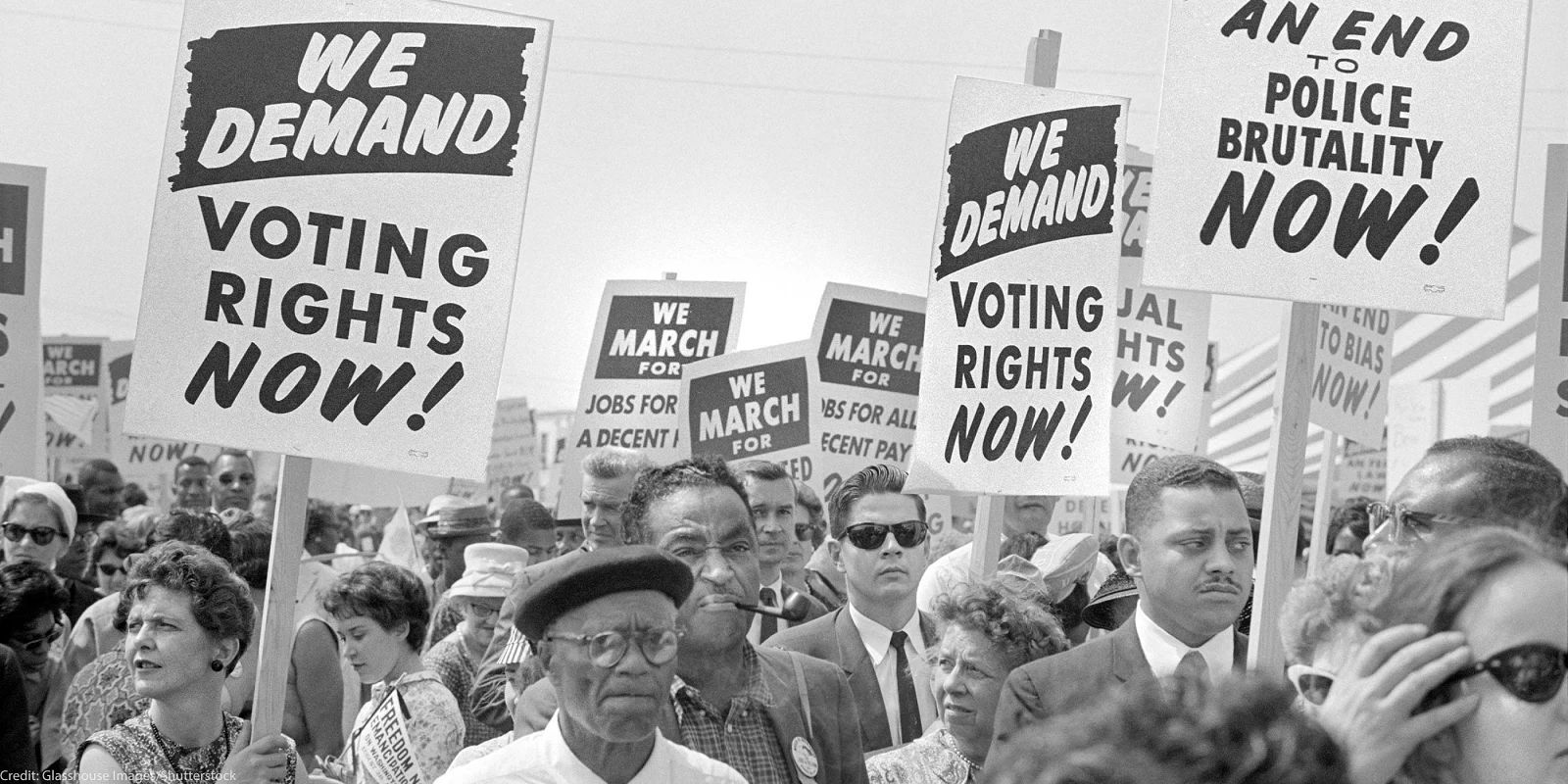
The Voting Rights Act of 1965, signed by President Lyndon B. Johnson, outlawed discriminatory voting practices and secured minority voting rights.
Over the decades, Congress amended the law five times— in nineteen seventy, nineteen seventy‑five, nineteen eighty‑two, nineteen ninety‑two, and two thousand‑six—to strengthen its protections. In nineteen eighty‑two, the Supreme Court upheld the Act’s Section 4(b) formula, ensuring continued federal oversight. Yet in nineteen ninety‑two, the Court narrowed the Act’s reach, limiting pre‑clearance requirements.
More recently, in nineteen twenty‑three, the Court struck down Section 2, removing a key safeguard against discriminatory voting practices. These rulings have sparked debate over the future of federal voting protections and the role of the judiciary in safeguarding civil rights. The legal battles underscore the fragility of voting rights in the United States and the need for renewed legislative action.
Timeline
- On August 6 1965 President Johnson signs Voting Rights Act into law.
- 1992 — Court narrows Section two, limiting anti‑discrimination safeguards
- 2023 — Supreme Court strikes down Section two, ending key protection
Sources
JQJO Editorial Desk · Human reviewed · AI assisted. Report a correction.