Water Bankruptcy Who Gains Who Loses
Tap title to read story
The political economy of water has long linked governance and scarcity. In two thousand and eleven the Organisation for Economic Co‑operation and Development warned that the water crisis is a governance crisis, setting a global agenda for policy reform.
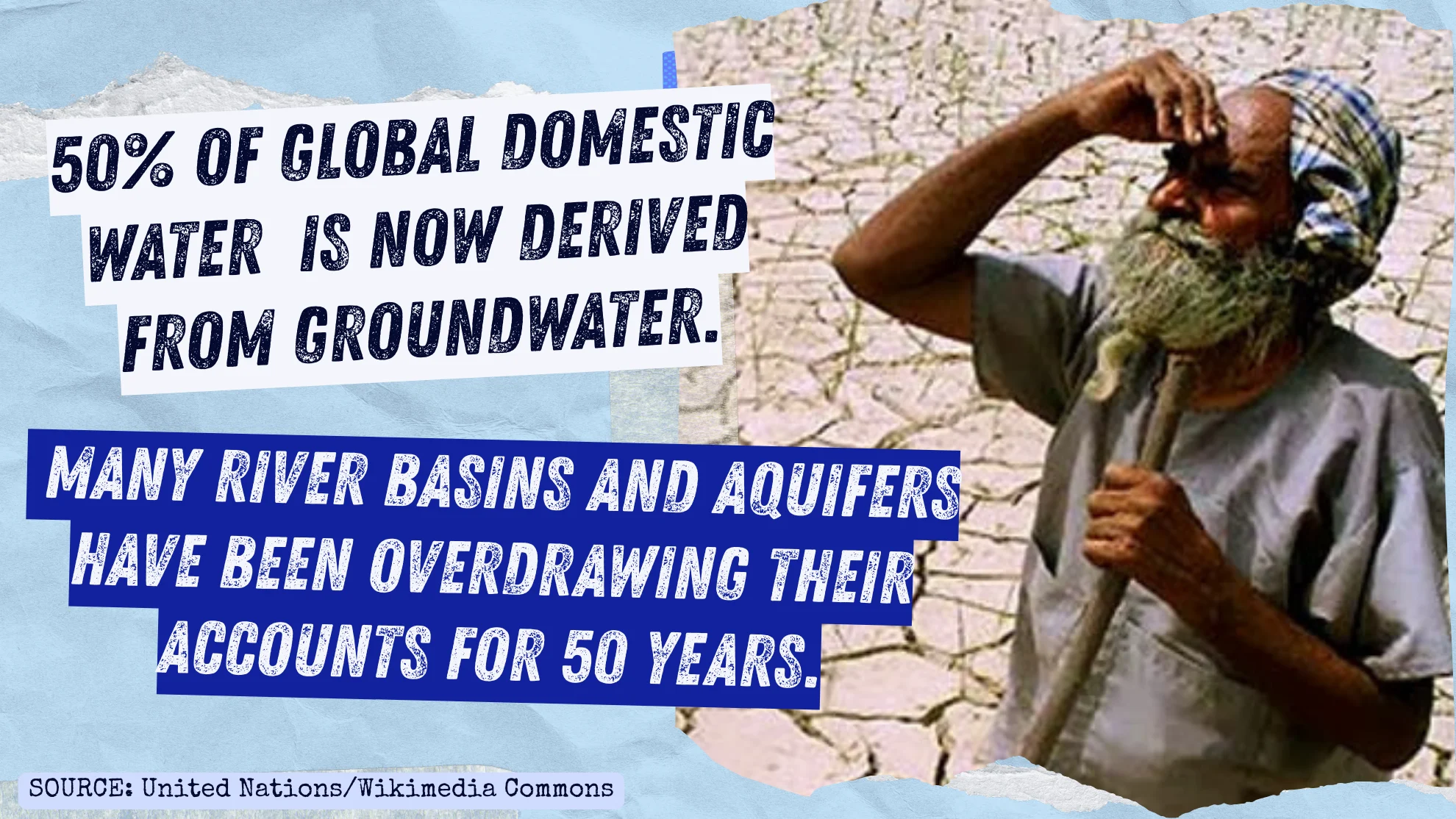
By two thousand and twenty‑four scholars noted that existing water political‑economics models fail to capture dynamic institutional shifts, prompting calls for new frameworks. In early two thousand and twenty‑six the United Nations declared the world has entered an era of global water bankruptcy, urging investment in climate stability and biodiversity protection.
That same month a Forbes piece highlighted that water overspending benefits some while burdening the least powerful, underscoring unequal distribution. On February fifth an op‑ed argued that water bankruptcy first hits those with minimal political influence, revealing deep inequities. Finally, on October twelfth a new analysis detailed how political incentives often favor delay, exacerbating losses
More context
Timeline
- 2011 — OECD warns water crisis is governance crisis
- 2024 — Scholars note water political‑economics models lack dynamism
- On January 20 2026 UN declares world enters era of global water bankruptcy.
- On February 5 2026 Op‑ed argues water bankruptcy first hits least powerful.
Why it matters
Immediate US impact: US water policy faces urgent reform Possible long-term US impact: Future water scarcity threatens economic stability Most affected groups: Low‑income rural communities Reader priority: Understand policy shifts and equity impacts
Coverage notes
Center: Coverage from Yahoo frames this as a developing news story: Water Bankruptcy Who Gains Who Loses. Reporting emphasizes verified facts, named sources, and near-term impact for readers. Left: Left-leaning desks covering the same development typically emphasize public impact, institutional accountability, and who is most affected. Right: Right-leaning desks covering the same development typically emphasize practical outcomes, market or security stakes, and institutional response.
Primary report
Yahoo — Water Bankruptcy Who Gains Who Loses
Sources
JQJO Editorial Desk · Human reviewed · AI assisted. Report a correction.