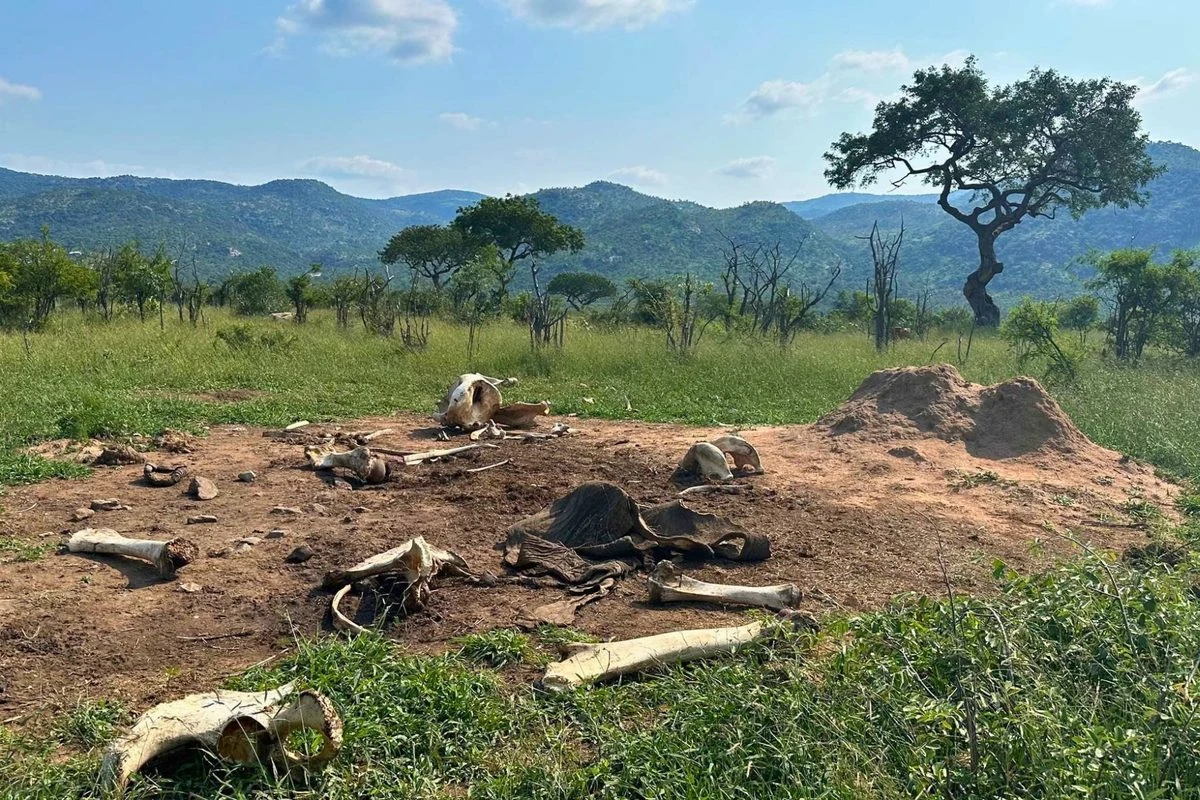
Elephant Death Shapes Kruger Ecosystem Years
Tap title to read story
In two thousand nine, a lone elephant named Alexander died beside a road in South Africa’s Kruger National Park.
Over the following months, researcher Dave Thompson monitored the carcass, noting how its decomposition altered the surrounding soil and plant life. The study revealed that elephant carcasses can continue to influence ecosystems for years, with nitrogen levels soaring up to three thousand times higher than normal and fast‑growing grasses attracting herbivores.
These grazing animals further enriched the soil with their manure, creating a lasting legacy that persisted for at least eight years. The findings, published in the Proceedings of the National Academy of Sciences, underscore how the death of a single elephant can leave a lasting ecological imprint, reminding us that nature’s cycles are shaped by past events long after they have vanished.
More context
Timeline
- 2009 — Elephant Alexander dies beside road in Kruger National Park
Why it matters
Immediate US impact: 8-12 words Possible long-term US impact: 8-12 words Most affected groups: 8-12 words Reader priority: 8-12 words
Coverage notes
Center: Coverage from New York Post, Santa Ana Orange County Register, Washington Examiner frames this as a developing news story: Elephant Death Shapes Kruger Ecosystem Years. Reporting emphasizes verified facts, named sources, and near-term impact for readers. Left: Left-leaning desks covering the same development typically emphasize public impact, institutional accountability, and who is most affected. Right: Right-leaning desks covering the same development typically emphasize practical outcomes, market or security stakes, and institutional response.
Primary report
BBC Wildlife Magazine — Elephant Death Shapes Kruger Ecosystem Years
Sources
JQJO Editorial Desk · Human reviewed · AI assisted. Report a correction.