Tech Workers Resisting Unions Face AI Shift
PUBLISHED Oct 11, 2026, 7:16 AM ET
Read, Watch or Listen
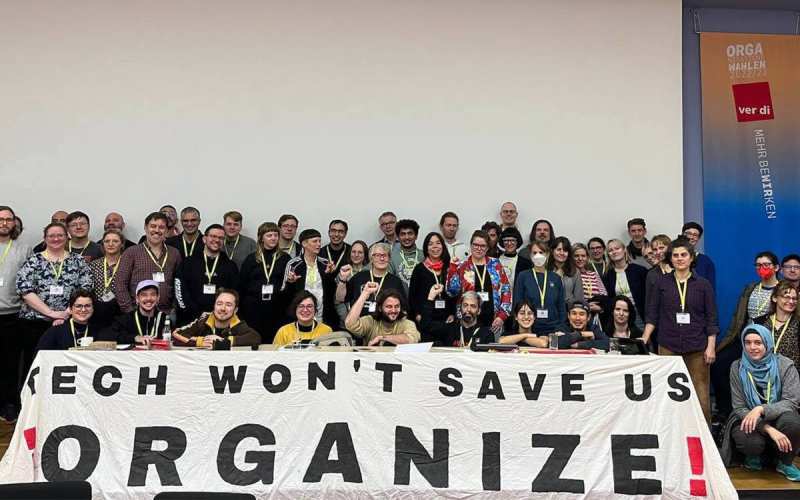
Silicon Valley’s white‑collar workforce has long resisted organized labor, citing flexible schedules and a culture of individualism. Recent reports suggest artificial intelligence and political pressure are reshaping that stance. In 1935 the National Labor Relations Act granted workers the right to unionize, yet tech firms have largely sidestepped these protections. By 2021, New York Times tech employees joined a broader union wave, signaling a shift. In 2025, research highlighted how AI tools can both empower and control workers, prompting new organizing strategies. The latest 2026 MIT study documents a surge in tech‑worker mobilization, underscoring the growing demand for collective bargaining in an automated industry. These developments hint at a future where technology and labor rights intersect more closely than ever before.
By Marcus E. | JQJO News
Timeline of Events
- 1935 — National Labor Relations Act grants union rights to workers
- On June 29 2021 NYT tech workers join broader union wave.
- On August 18 2025 AI research reveals dual empowerment and control for workers.
- On September 18 2026 MIT study reports surge in tech‑worker mobilization.
News Intelligence
- Immediate US impact: Tech workers seek collective bargaining rights
- Possible long-term US impact: AI reshapes labor negotiations
- Most affected groups: White‑collar tech employees
- Reader priority: Understand AI’s role in labor movements
Coverage of Story:
From Left
No left-leaning sources found for this story.
From Right
No right-leaning sources found for this story.






Comments