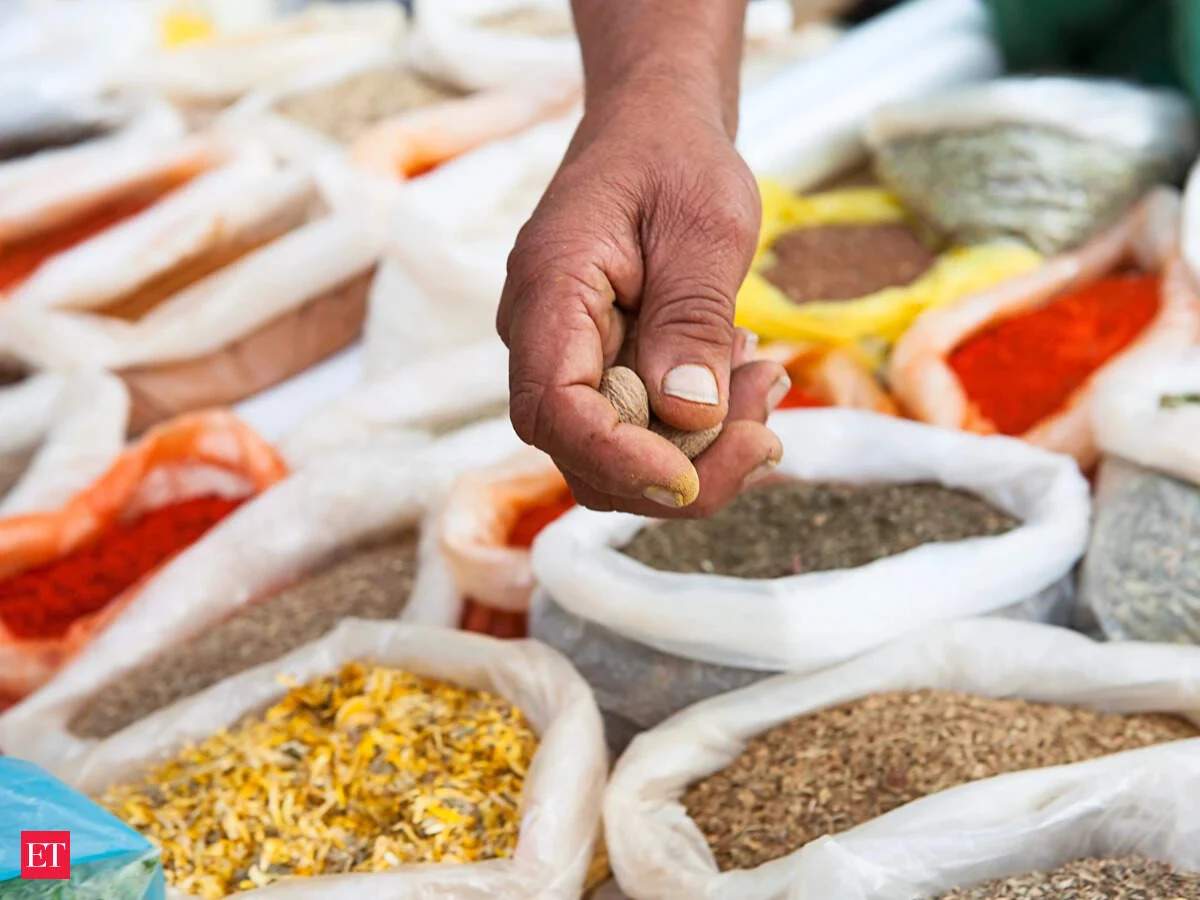
Black Cardamom Market Faces Decline Seeks Revival
Tap title to read story
India’s once‑dominant black cardamom sector is confronting a steep decline, with plantation health deteriorating and climate change exacerbating crop diseases.
Production fell from five thousand six hundred tonnes in 2003‑04 to two thousand five hundred tonnes in 2010, a loss that has pushed farmers in Sikkim into financial distress. Recent research initiatives by the state government aim to develop disease‑resistant varieties and improve planting material, hoping to restore the spice’s former glory.
The market, valued at four hundred eighty million dollars, still lags behind Nepal, which now dominates global supply. If successful, these efforts could revive livelihoods and re‑establish India as a key player in the spice trade.
More context
Timeline
- 2003 — Black cardamom production 5,600 tonnes in 2003‑04
- 2024 — Market valued at 480 million dollars in 2024‑25
Why it matters
Immediate US impact: Limited direct impact on U.S. markets Possible long-term US impact: Potential supply shifts in spice imports Most affected groups: Sikkim farmers and spice exporters Reader priority: Understand economic risks for spice trade
Coverage notes
Center: Coverage from The Economic Times frames this as a developing news story: Black Cardamom Market Faces Decline Seeks Revival. Reporting emphasizes verified facts, named sources, and near-term impact for readers. Left: Left-leaning desks covering the same development typically emphasize public impact, institutional accountability, and who is most affected. Right: Right-leaning desks covering the same development typically emphasize practical outcomes, market or security stakes, and institutional response.
Primary report
The Economic Times — Black Cardamom Market Faces Decline Seeks Revival
Sources
JQJO Editorial Desk · Human reviewed · AI assisted. Report a correction.