Trauma Informed AI Boosts Online Student Persistence
Tap title to read story
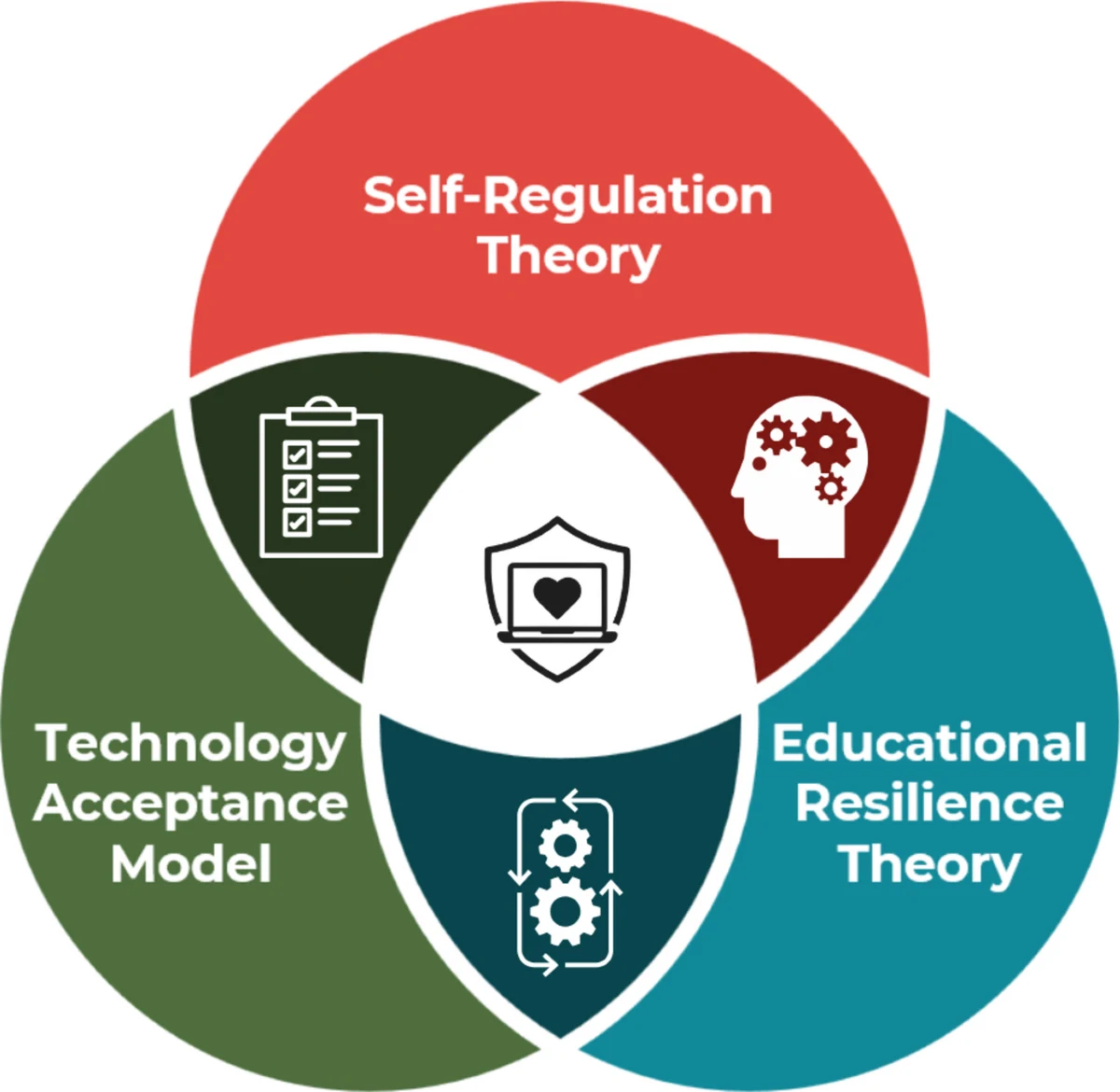
University of Phoenix researchers unveiled a trauma‑informed AI model that links stress, self‑regulation, resilience, belonging, psychological safety, and generative artificial intelligence to support non‑traditional online students. The peer‑reviewed study, published in a medical journal, demonstrates how the model identifies key emotional cues in long‑form student posts and offers tailored feedback to improve engagement.
By integrating trauma‑informed pedagogy with digital course architecture, the model helps students feel safer and more connected, reducing dropout rates. The research underscores the growing role of AI in higher education, showing that technology can be harnessed to address mental health challenges while enhancing academic outcomes.
The study’s findings suggest that universities adopting similar AI tools may see measurable gains in student retention and satisfaction. As online learning expands, such innovations could become standard practice, offering scalable support for diverse learner populations. The research also highlights ethical considerations, urging institutions
More context
Timeline
- 2025 — Model identifies emotional cues in long‑form student posts
- On June 18 2025 University releases trauma‑informed AI model for student support.
- On January 19 2026 Researchgate discusses generative AI for trauma‑informed therapy.
Why it matters
Immediate US impact: Higher education institutions adopt AI for student retention Possible long-term US impact: Standardized trauma‑informed AI tools reshape online learning Most affected groups: Non‑traditional online students and support staff Reader priority: Understand AI’s role in student mental health
Coverage notes
Center: Coverage from U.S. News & World Report, The Atlanta Journal-Constitution, U.S. News & World Report frames this as a developing news story: Trauma Informed AI Boosts Online Student Persistence. Reporting emphasizes verified facts, named sources, and near-term impact for readers. Left: Left-leaning desks covering the same development typically emphasize public impact, institutional accountability, and who is most affected. Right: Right-leaning desks covering the same development typically emphasize practical outcomes, market or security stakes, and institutional response.
Primary report
News-Medical.net — Trauma Informed AI Boosts Online Student Persistence
Sources
JQJO Editorial Desk · Human reviewed · AI assisted. Report a correction.