Iran’s hunt for protesters at home and abroad ushers in a new era of repression
Tap title to read story
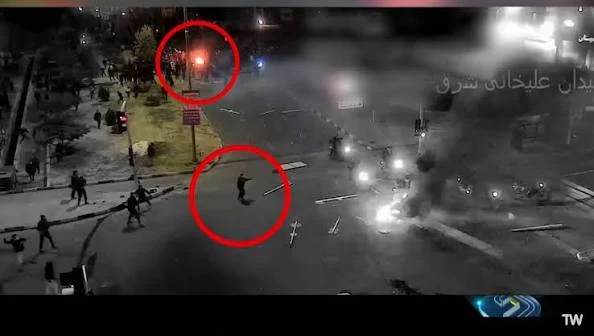
Iranian authorities have intensified domestic crackdowns and transnational harassment following widespread anti-regime demonstrations. Security forces and the judiciary continue relentless purges, conducting mass interrogations, issuing severe digital communication warnings, and restricting satellite internet usage. Human rights organizations have documented numerous protest-related executions alongside legal proceedings heavily reliant on coerced confessions. The state's repressive apparatus has increasingly extended across international borders, targeting exiled dissidents, activists, and their families living overseas to foster a pervasive climate of fear. Domestically, the regime has penalized artists, students, teachers, and public figures voicing dissent or showing solidarity with victims. While state media defends national security measures, international observers and human rights watchdogs strongly condemn the escalating violations of fundamental freedoms. The ongoing campaign reflects the administration's broader effort to suppress internal opposition, silence foreign critics, and control domestic information flows amid persistent economic grievances and political discontent.
More context
Timeline
- On September 16 2022 nationwide protests erupted following Mahsa Aminis death in custody.
- On November 15 2019 economic demonstrations sparked severe nationwide security force crackdowns.
- On January 10 2023 judiciary officials initiated mass arrests of active street demonstrators.
- On May 14 2024 human rights groups reported a sharp spike in capital punishments.
- On August 20 2024 intelligence agencies expanded targeted operations against exiled activists abroad.
- On November 12 2024 authorities issued strict federal warnings against satellite internet tools.
- On February 18 2025 security forces detained prominent cultural figures expressing public dissent.
- On June 30 2025 international bodies condemned transnational harassment of foreign based dissidents.
- On October 15 2025 appellate courts upheld multiple controversial protest related death sentences.
- On October 9 2026 ongoing state purges and digital censorship maintain widespread domestic fear.
- Analysts expect the regime to sustain intense transnational surveillance against foreign dissidents.
- Human rights organizations anticipate increased international legal pressure regarding capital punishment rates.
Why it matters
Immediate US impact: Heightened security alerts for Iranian dissidents residing domestically. Possible long-term US impact: Increased legislative scrutiny on foreign transnational repression operations nationwide. Most affected groups: Iranian diaspora communities, exiled activists, and human rights organizations. Reader priority: Verified reports from established international human rights monitoring organizations.
Coverage notes
Left: Emphasizes human rights abuses, torture, and international diaspora protection. Center: Reports factual updates on judicial purges, executions, and security measures. Right: Focuses on regime authoritarianism, security threats, and foreign policy risks.
Primary report
Human rights organizations reported escalating domestic purges and transnational harassment.
Sources
JQJO Editorial Desk · Human reviewed · AI assisted. Report a correction.