US jobless claims hover near 57-year low for fourth consecutive week
PUBLISHED Oct 8, 2026, 10:29 AM ET
Read, Watch or Listen
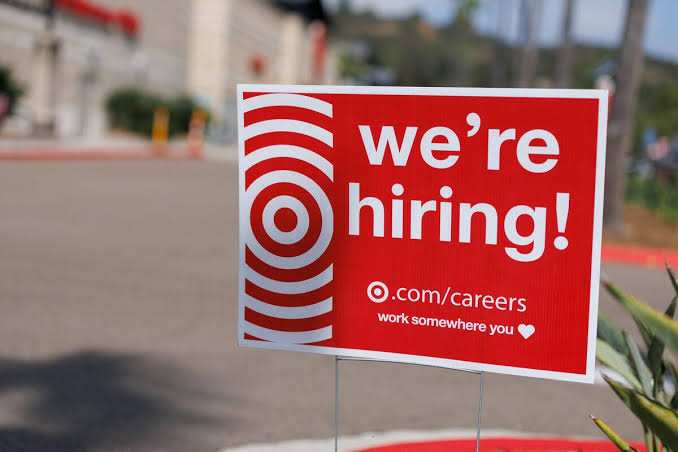
U.S. initial jobless claims fell to 197,000 in the week ended October 3, extending a stretch of historically low layoffs even as hiring remains weak. The Labor Department said Thursday that claims declined 2,000 from the prior week’s revised 199,000, while the four-week moving average fell 2,500 to 198,000. Claims have remained below 200,000 for four consecutive weeks, a rare pattern associated with exceptionally low layoffs. At the same time, September payroll employment increased only 29,000, while the unemployment rate edged up to 4.2%, according to the Bureau of Labor Statistics. Continuing insured unemployment rose 17,000 to 1.716 million for the week ended September 26. The figures suggest employers are retaining workers but adding fewer employees, creating a low-hire, low-fire market. Economists cited uncertainty and a smaller labor pool as factors restraining hiring. The data will remain relevant to Federal Reserve decisions as policymakers weigh employment conditions against inflation risks.
By Haya | JQJO News
Timeline of Events
- On July 18, 2026, claims fell to 189,000 amid layoffs.
- On July 25, 2026, claims rebounded to 198,000 remained low.
- On August 29, 2026, claims reached 207,000, below historical norms.
- On September 12, 2026, claims fell to 198,000 amid layoffs.
- On September 17, 2026, claims fell to 196,000 amid layoffs.
- On September 26, 2026, claims reached 199,000, remaining below 200,000.
- On October 1, 2026, claims reached 197,000, maintaining low layoffs.
- On October 2, 2026, payrolls rose 29,000; unemployment reached 4.2%.
- On October 8, 2026, claims reached 197,000 again amid layoffs.
- On October 8, 2026, four-week average fell to 198,000 nationally.
- On October 15, 2026, next claims report will test persistence.
- In coming weeks, claims may remain low unless layoffs broaden.
News Intelligence
- Immediate US impact: Low layoffs support employment stability despite weaker hiring and job creation.
- Possible long-term US impact: Persistent weak hiring could gradually reduce worker mobility and labor-market dynamism.
- Most affected groups: Job seekers face tighter opportunities; employed workers face comparatively low layoff risk.
- Reader priority: Prioritize Labor Department data, revisions, hiring measures, and independent economic analysis.
Coverage of Story:
From Left
Unemployment benefit claims dipped slightly last week as layoffs remain low
Associated PressFrom Center
US jobless claims hover near 57-year low for fourth consecutive week
Reuters The Wall Street Journal Barron's MarketWatch






Comments