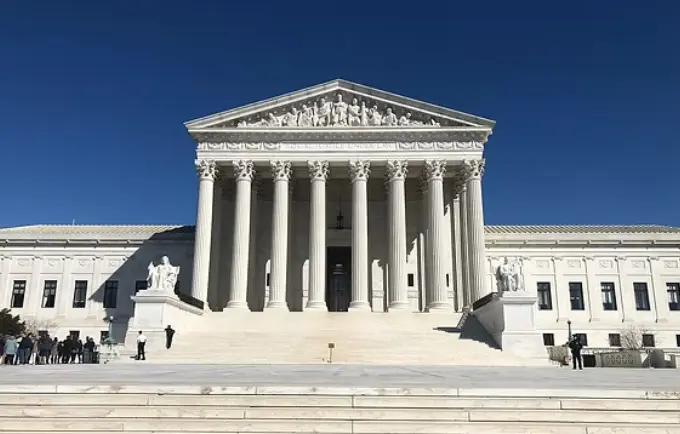
Law and Politics Clash Over Asylum Turnbacks
Tap title to read story
The Supreme Court’s latest decision on asylum turnbacks underscores the enduring tension between executive enforcement and congressional lawmaking. In nineteen eighty, Congress enacted the Refugee Act, establishing the legal framework for asylum eligibility that remains unchanged today.
Fast forward to nineteen seventeen, when asylum seekers sued the Trump administration over Customs and Border Protection’s “turn back” policy, marking a pivotal legal challenge. The case progressed through lower courts, culminating in a two thousand twenty‑six Supreme Court hearing that highlighted the clash between executive discretion and statutory protections.
The ruling, while not yet final, signals a potential shift in how asylum claims are processed and may influence future immigration policy debates. For policymakers, the decision represents a critical juncture where law, politics, and humanitarian concerns intersect, shaping the nation’s approach to asylum seekers.
More context
Timeline
- 1980 — Congress enacts Refugee Act, defining asylum eligibility
- 2017 — Asylum seekers sue Trump administration over CBP turn‑back policy
- 2026 — Supreme Court hears Noem v. Al Otro Lado asylum turnback
Coverage notes
News Is Factual Everywhere
Primary report
Sources
JQJO Editorial Desk · Human reviewed · AI assisted. Report a correction.