FCC considers allowing more political robocalls before midterms, including those created with AI
PUBLISHED Oct 7, 2026, 1:27 PM ET
Read, Watch or Listen
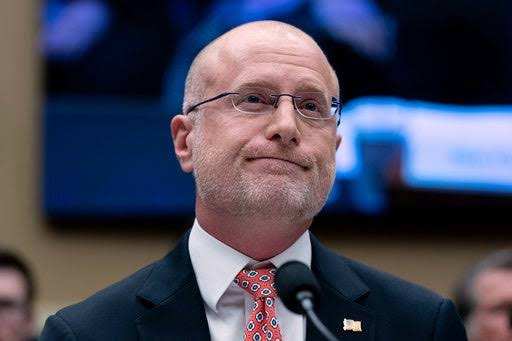
The Federal Communications Commission is evaluating a petition from the conservative group Club for Growth to waive existing federal bans on unsolicited artificial and prerecorded voice robocalls to cellphones ahead of upcoming midterm elections. Federal law largely prohibits such automated calls without prior consent, but the Republican-led agency advanced the request for public comment with a ruling possible by late October. Consumer advocacy groups warn that lifting restrictions could cause a surge of deceptive partisan calls, noting a 2024 primary incident where voters received a deepfake robocall mimicking then-President Joe Biden. Proponents argue the waiver will modernize communication and protect free speech, while critics contend it threatens election integrity.
By Haya | JQJO News
Timeline of Events
- On January 21, 2024, New Hampshire primary voters received deceptive Biden audio robocalls.
- On September 15, 2026, Club for Growth filed a waiver request with the FCC.
- On September 28, 2026, the FCC advanced the petition for public comment.
- On October 7, 2026, public debate intensified regarding upcoming midterm election risks.
- On October 20, 2026, advocacy groups submitted formal opposition filings to the commission.
- On October 30, 2026, the FCC may issue a final ruling on waivers.
- On November 3, 2026, midterm elections will determine congressional control for final terms.
- On December 1, 2026, regulatory compliance reviews will evaluate post-election robocall metrics.
- On January 15, 2027, congressional oversight committees plan hearings on campaign communication rules.
- On March 1, 2027, federal courts may hear challenges regarding AI voice regulations.
News Intelligence
- Immediate US impact: Voters face increased partisan automated calls before midterm elections.
- Possible long-term US impact: Federal telecommunication rules and AI oversight standards may permanently shift.
- Most affected groups: Political campaigns, telecommunication carriers, and voting-age American citizens.
- Reader priority: Official FCC filings, verified technical reports, and nonpartisan election monitoring.
Coverage of Story:
From Left
FCC advances Republican-led push to permit AI voice robocalls in midterms
Politico Gizmodo Politico Pro HuffPostFrom Center
FCC considers allowing more political robocalls before midterms including AI
Associated Press Reuters The Hill Washington Post Wall Street Journal New York Times Bloomberg Axios USA Today Engadget Forbes MarketWatch Financial Times The Economist NPR The Hill Capitol Hill Axios Capitol Hill Bloomberg Government VentureBeat Fast Company Inc. Bloomberg Law Reuters Legal OpenSecretsFrom Right
Free speech advocates support modernizing campaign communication rules
National Review The Daily Caller Washington Times American Spectator Daily Wire Newsmax The Center Square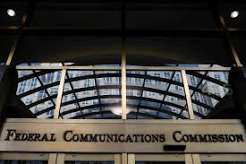


Comments