Thousands of European wind and solar power systems exposed online, Dutch researchers say
Tap title to read story
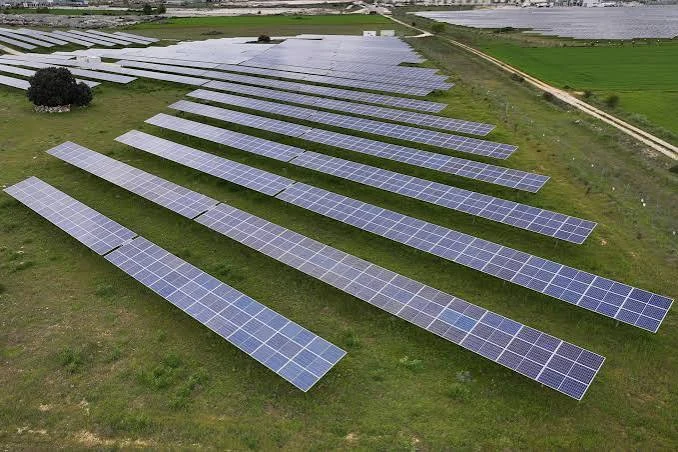
Thousands of administrative and operational systems at European solar parks and wind farms are directly exposed to the internet, creating significant cybersecurity vulnerabilities. Researchers from internet-scanning company Modat and the Dutch National Cyber Security Centre revealed that machine learning techniques identified 8,547 internet-facing systems across 35 European countries. These exposed nodes include administrative login pages and live operational panels featuring start, stop, and reset controls that could potentially allow unauthorized shutdowns. Researchers noted that approximately 181 sites presented full control risks. Spain recorded the highest number of exposed solar systems, whereas Germany exhibited the most exposed wind energy facilities. Experts warned that these cyber risks compound worries regarding critical infrastructure safety amid ongoing geopolitical tensions and increased digital threats across Europe. Energy operators were strongly urged to immediately remove administrative interfaces from public networks to prevent potential sabotage or widespread disruptions to public power supplies.
More context
Timeline
- On February 24 2022 Russia launched a full scale military invasion of Ukraine.
- On March 1 2022 European critical infrastructure faced heightened cyber threat alert levels.
- On September 1 2026 Dutch intelligence agencies warned artificial intelligence accelerates cyber attack threats.
- On September 8 2026 Researchers commenced scanning European renewable energy administrative web interfaces.
- On September 15 2026 Modat researchers identified thousands of internet facing renewable energy systems.
- On September 22 2026 Machine learning tools mapped solar parks and wind farms exposure.
- On September 29 2026 Researchers verified full control risks across approximately 181 sites.
- On October 6 2026 Findings were officially presented at the ONE Conference in Hague.
- On October 6 2026 Reuters published detailed reports regarding exposed European renewable systems.
- On October 6 2026 Final freshness checks confirmed no newer material developments occurred.
- European energy operators will likely audit and secure administrative interfaces soon.
- Cybersecurity agencies across Europe may issue coordinated infrastructure protection directives.
Why it matters
Immediate US impact: Increased cybersecurity vigilance protects domestic renewable grids from potential attacks. Possible long-term US impact: Long term policy changes secure critical infrastructure against foreign digital threats. Most affected groups: European renewable operators, energy regulators, and national security agencies. Reader priority: Monitor specialized cybersecurity advisories and official European agency security updates.
Coverage notes
Left: Framing emphasizes corporate security failures and urgent regulatory intervention needs. Center: Framing reports technical findings objectively without political or ideological slant. Right: Framing highlights national security risks and potential foreign state sabotage threats.
Primary report
Researchers presented exposed European renewable energy systems findings in Hague.
Sources
- Reuters
- Global Banking and Finance Review
- Modat Blog
- Ocean News
- UA News
- US News & World Report
- Nasdaq
- The Straits Times
- The Print
- BSS News
- Malay Mail
- Zawya
- The Edge Markets
- USNews Summary Feed
- Dark Reading
- Security Boulevard
- The Register
- Forbes
- Bloomberg
- Financial Times
- Wall Street Journal
- Politico Europe
- Euronews
- Greek Reporter
- Euractiv
- Windpower Monthly
- Daily Mail
- Washington Times
- The Sun
- Express
- Sky News Australia
- The Australian
JQJO Editorial Desk · Human reviewed · AI assisted. Report a correction.