Are Those Amazon Prime Day Deals Too Good To Be True?
PUBLISHED Oct 6, 2026, 7:33 AM ET
Read, Watch or Listen
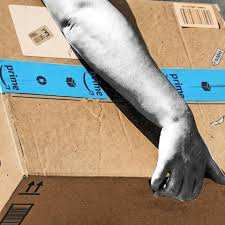
Major retail shopping events like Amazon Prime Day increasingly utilize artificial intelligence personalization and countdown clocks to generate high-pressure consumer urgency. Consumer advocates warn that while headline discounts often advertise massive savings, many promotional prices involve phantom markdowns where third-party sellers artificially inflate standard list prices before sales begin. Retail analysts report that genuine, reliable markdowns are primarily concentrated on Amazon proprietary hardware products including Fire TV sticks, Kindles, and Ring security devices. In contrast, discounts offered by independent marketplace vendors frequently require rigorous price history verification. Financial watchdogs recommend utilizing third-party browser tracking tools and built-in price history features to evaluate historical pricing trends accurately. By checking historical price fluctuations, shoppers can determine whether a listed promotional rate represents an actual historic low or merely standard everyday retail pricing. Understanding these widespread marketing tactics helps prevent consumers from falling victim to exaggerated discount claims during major promotional retail events.
By Noormahi M. | JQJO News
Timeline of Events
- On October 12 2024 Amazon announced details for upcoming major promotional sales events.
- On October 13 2024 retail analysts published early warnings regarding inflated product list prices.
- On October 14 2024 consumer protection agencies monitored third party seller pricing compliance metrics.
- On October 15 2024 major technology publications highlighted historical pricing trends on hardware devices.
- On July 16 2025 consumer watchdogs reported widespread instances of temporary artificial price inflation.
- On July 17 2025 independent price tracking applications recorded standard baseline retail pricing patterns.
- On July 18 2025 retail economists evaluated the actual monetary savings achieved by consumers.
- On October 5 2026 financial researchers published updated investigative reports on promotional marketing tactics.
- On October 6 2026 consumer advocacy groups recommended widespread adoption of price tracking software.
- On October 6 2026 industry experts projected continued regulatory scrutiny over online retail discounts.
News Intelligence
- Immediate US impact: Shoppers evaluate historical pricing before purchasing retail items today.
- Possible long-term US impact: E-commerce platforms face heightened scrutiny over promotional pricing transparency.
- Most affected groups: Online shoppers, third party vendors, retail analytics firms, Amazon.
- Reader priority: Verify historical price tracking data across independent consumer protection websites.
Coverage of Story:
From Left
Shoppers face growing confusion over inflated list prices on retail platforms
Washington Post New York Times San Francisco ChronicleFrom Center
Amazon Prime Day faces scrutiny over promotional discount accuracy claims
Reuters Associated Press Bloomberg Wall Street Journal Forbes MarketWatch USA Today Chicago Tribune Seattle Times Dallas Morning News Miami Herald Houston Chronicle Minneapolis Star Tribune Arizona Republic Sacramento Bee Portland Oregonian Baltimore Sun Orlando Sentinel Pittsburgh Post-Gazette St Louis Post Dispatch Cleveland Plain Dealer Detroit Free Press Kansas City Star Indianapolis Star Columbus Dispatch Milwaukee Journal Sentinel Charlotte Observer Raleigh News and Observer Fort Worth Star-Telegram Austin American-Statesman San Antonio Express-News Las Vegas Review-Journal Omaha World-Herald Des Moines Register Louisville Courier Journal Richmond Times-Dispatch Hartford Courant Providence Journal Tulsa World Oklahoman Albuquerque JournalFrom Right
No right-leaning sources found for this story.






Comments