We know what gas prices will look like on Election Day — and Republicans are concerned
PUBLISHED Oct 6, 2026, 7:18 AM ET
Read, Watch or Listen
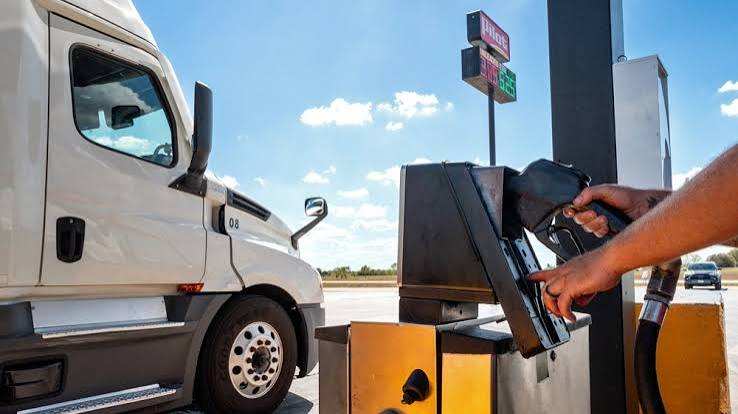
Gasoline and diesel prices across the United States have surged significantly ahead of the November 2026 midterm elections, driven by geopolitical supply disruptions linked to the conflict with Iran. The rising fuel costs have intensified voter frustration and created acute political vulnerabilities for Republican incumbents. Polling indicates that a substantial majority of the electorate views expensive fuel as a major economic problem, matching historical patterns where the party controlling the White House absorbs voter backlash over cost-of-living increases. While administration officials have defended the economic toll as a necessary consequence of national security actions, congressional Republicans face a fragmented messaging landscape. Candidates are divided between highlighting security objectives, blaming energy corporations, or deflecting to local factors. As independent and undecided voters increasingly view the rising expenses as a heavy liability, mitigating the public fallout before ballots are cast remains a critical challenge for the party.
By Noormahi M. | JQJO News
Timeline of Events
- On June 1 2026 Middle East geopolitical tensions escalated sharply affecting global oil supplies.
- On July 15 2026 National average retail fuel prices broke previous seasonal trading bounds.
- On August 10 2026 Polling data revealed sixty-one percent of voters viewed prices negatively.
- On September 5 2026 Administration officials publicly defended strategic measures against Iranian nuclear ambitions.
- On September 20 2026 Congressional Republicans struggled to unify a consistent legislative messaging strategy.
- On September 21 2026 President Trump described fuel spikes as an inexpensive price for war.
- On September 30 2026 Multiple state governors enacted emergency gas tax and diesel suspensions.
- On October 3 2026 European diesel reserve releases caused temporary crude market corrections.
- On October 6 2026 Independent voters increasingly identified fuel costs as a major liability.
- On November 3 2026 Future market volatility will likely persist through the November midterm election cycle.
News Intelligence
- Immediate US impact: Fuel costs heighten voter anxiety and pressure incumbent congressional margins.
- Possible long-term US impact: High prices accelerate shifts toward alternative energy and efficiency mandates.
- Most affected groups: Working-class commuters, commercial truckers, logistics firms, and independent swing voters.
- Reader priority: Track regional price averages, official energy agency updates, and polling trends.
Coverage of Story:
From Left
Rising fuel prices threaten Republican majority in upcoming midterm elections
New York Times Washington Post NBC News The Atlantic The New Republic HuffPost San Francisco ChronicleFrom Center
Global oil markets react to Middle Eastern supply constraints
Reuters Associated Press Bloomberg Politico Financial Times USA Today The Hill Axios TIME Newsweek National Public Radio Forbes Mother Nature Network Houston Chronicle Dallas Morning News Chicago Tribune Detroit Free Press Seattle Times Miami Herald Phoenix Business Journal Minneapolis Star Tribune Cleveland Plain DealerFrom Right
Energy policy and inflation dominate final weeks of congressional races
Wall Street Journal Daily Caller Reason American Spectator Washington Times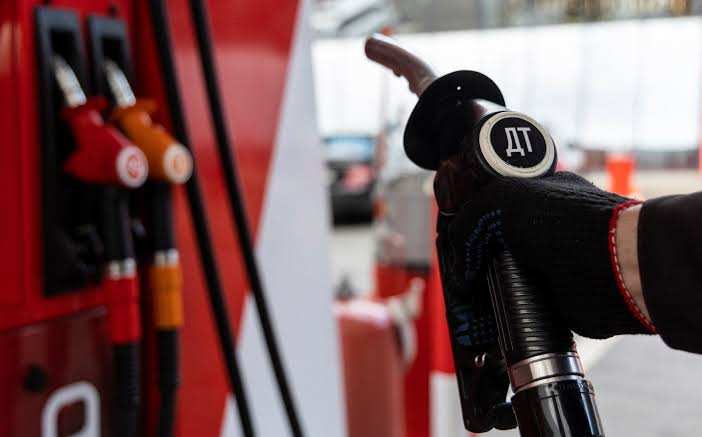




Comments