Cuba and US maintain 'channels of communication' but no negotiations, diplomat says
PUBLISHED Oct 5, 2026, 5:52 PM ET
Read, Watch or Listen
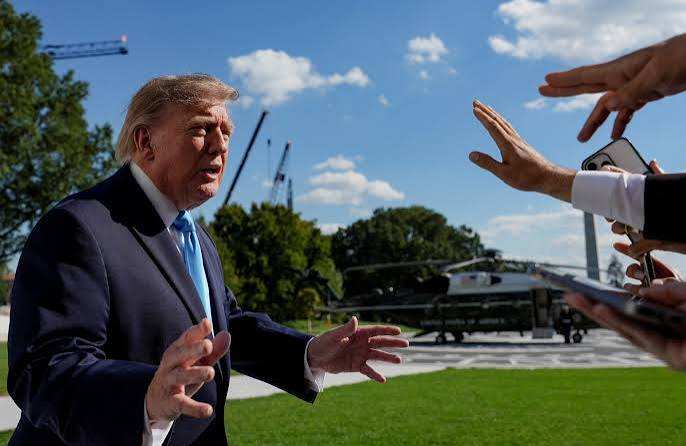
Cuban Ambassador to the United States Lianys Torres Rivera clarified that Washington and Havana maintain active communication channels through phone calls, messages, and diplomatic meetings, though these exchanges do not constitute formal negotiations or a structured dialogue agenda. This statement counters recent assertions from United States leadership suggesting that both governments were engaged in advanced deal-making discussions. The United States continues to enforce a maximum pressure campaign involving severe oil blockades and stringent financial restrictions to compel domestic political and economic shifts. Meanwhile, Cuban officials maintain that while they welcome respectful diplomatic engagement, they firmly reject foreign coercion, preconditions, and any threats to national sovereignty. Cuba currently faces profound infrastructure challenges, fuel shortages, and electrical blackouts intensified by the ongoing trade embargo, prompting the implementation of limited internal free-market reforms intended to stabilize the national economy amidst persistent bilateral friction.
By Yusra M. | JQJO News
Timeline of Events
- On January 12, 2023, United States diplomats held official migration talks with Cuban counterparts.
- On May 16, 2023, Washington eased select remittance and travel restrictions affecting family members.
- On November 15, 2024, bilateral discussions addressed law enforcement cooperation and counter-terrorism measures.
- On January 20, 2025, the new administration maintained existing economic embargo restrictions against Havana.
- On June 10, 2025, severe electrical grid failures triggered widespread blackouts across the island.
- On August 14, 2025, Havana introduced limited legal frameworks permitting small private business operations.
- On January 10, 2026, United States officials publicly claimed progress in bilateral diplomatic negotiations.
- On February 3, 2026, fuel shortages disrupted public transportation networks in several major provinces.
- On October 4, 2026, Ambassador Lianys Torres Rivera clarified existing diplomatic communication channels publicly.
- On October 6, 2026, diplomatic channels remained open despite the absence of formal negotiations.
- In coming months, bilateral discussions will likely focus strictly on consular and migration issues.
- Over the next year, economic pressures will continue driving limited internal market reforms.
News Intelligence
- Immediate US impact: Zero disruption to domestic markets or foreign policy operations.
- Possible long-term US impact: Continued regional migration pressures and stalled diplomatic normalization efforts.
- Most affected groups: Cuban citizens, exporters, diplomats, and international human rights organizations.
- Reader priority: Monitor official State Department briefings and verified diplomatic statements closely.
Coverage of Story:
From Left
Diplomatic friction persists as Cuba confirms communication channels but zero talks
Washington Post New York Times NPR San Francisco Chronicle The Daily Beast The Atlantic The New RepublicFrom Center
Cuba says communication channels with US remain open without formal talks
Reuters Associated Press Bloomberg Politico The Hill Miami Herald Financial Times CBC News Houston Chronicle Chicago Tribune Newsweek Time AxiosFrom Right
Cuban envoy pushes back on Washington claims of active trade and policy deals
Wall Street Journal The Daily Caller




Comments