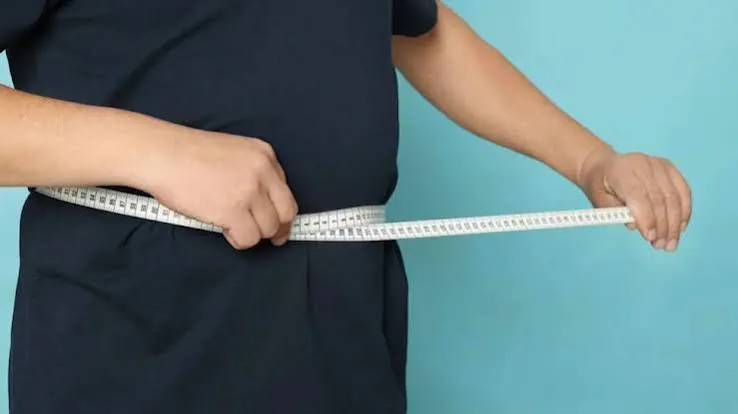
Scientists uncover a clue that could hint at why we regain weight after diets
Tap title to read story
Recent scientific studies reveal that weight regain following dieting is driven by persistent biological memories in fat cells and the brain rather than a lack of willpower. A 2026 study identified an obesity memory in fat cells involving the inflammatory signal TGF beta 1, which keeps the hunger hormone asprosin active for weeks after weight loss. Additional research demonstrates that fat tissue retains epigenetic changes from previous weight gain that prime the body to regain weight rapidly when exposed to high fat diets. Animal studies further indicate that the brain maintains an elevated set point weight, triggering prolonged hyperphagia or intense hunger for weeks after caloric restriction ends. These durable cellular and neural adaptations explain why maintaining long term weight loss remains exceptionally difficult. Researchers emphasize that overcoming this biological resistance requires ongoing medical or behavioral strategies designed to counteract sustained hunger signals rather than relying solely on short term dietary changes.
More context
Timeline
- On January 15 2024 researchers published epigenetic findings regarding fat tissue.
- On February 10 2025 scientists began tracking cellular memory in mice.
- On March 5 2026 a study identified inflammatory signals in fat cells.
- On April 12 2026 researchers published findings on prolonged hunger mechanisms.
- On May 2 2026 immune cell memory studies highlighted persistent inflammation.
- On June 14 2026 investigators analyzed placental transmission of obesity markers.
- On July 22 2026 scientists tested novel metabolic intervention strategies successfully.
- On August 3 2026 research confirmed brain mechanisms driving weight regain.
- On September 10 2026 Cleveland teams identified cellular obesity memory pathways.
- On October 5 2026 recent findings highlighted biological resistance in weight management.
Why it matters
Immediate US impact: Immediate US impact involves shifting clinical obesity treatment paradigms nationwide. Possible long-term US impact: Long term US impact includes developing targeted anti inflammatory obesity therapies. Most affected groups: Most affected groups include patients navigating post diet weight management programs. Reader priority: Readers should prioritize peer reviewed medical journals over general wellness blogs.
Coverage notes
Left: Highlighted socioeconomic factors influencing access to advanced obesity treatments. Center: Focused strictly on peer reviewed scientific findings and biological mechanisms. Right: Emphasized individual metabolic resilience and personal health management strategies.
Primary report
Researchers published study identifying fat cell inflammation driving weight regain.
Sources
- Huffington Post
- Independent
- Reuters
- Associated Press
- NPR
- ScienceDaily
- University Hospitals Cleveland
- DD India
- SciTechDaily
- ScienceAlert
- Labcompare
- Science and Technology Daily
- NIHR Birmingham BRC
- New York Times
- Washington Post
- Wall Street Journal
- Bloomberg
- Forbes
- Time
- Science Magazine
- Cell Press News
- USA Today
- Chicago Tribune
- San Francisco Chronicle
- Fierce Biotech
- Endocrine News
- Cell Metabolism
- JAMA Network Open
- New England Journal of Medicine
- Daily Mail
- nature.com
JQJO Editorial Desk · Human reviewed · AI assisted. Report a correction.