These PBS space documentaries explore the wonders of our universe
PUBLISHED Oct 4, 2026, 11:04 AM ET
Read, Watch or Listen
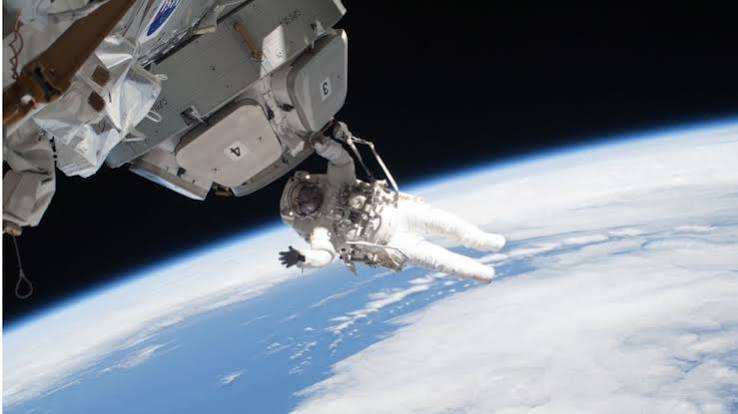
Public Broadcasting Service programming continues to highlight complex astrophysical research through digital series and broadcast specials. The broadcaster offers dedicated science content examining black holes, quantum mechanics, and cosmic origins. Astrophysicist Matt O'Dowd leads digital production efforts analyzing theoretical physics concepts for general viewers. Additional documentary series focus on international space exploration history and modern technological milestones. Broadcast schedules coordinate regular releases across television networks and digital platforms to engage audiences interested in space sciences. Educational initiatives aim to increase public understanding of contemporary astronomical discoveries and aerospace engineering advancements. Producers collaborate with research institutions to ensure accuracy within presented educational materials and specialized investigative segments. Viewers access programs through traditional broadcast channels and streaming services providing on-demand educational content access.
By Noormahi M. | JQJO News
Timeline of Events
- On January 15 2015, PBS digital series launched focusing on advanced astrophysical concepts.
- On March 22 2018, network executives expanded science programming across digital viewing platforms.
- On November 10 2021, producers released special documentary coverage detailing modern space exploration.
- On August 14 2023, educational broadcasts introduced new segments exploring quantum physics mechanics.
- On February 05 2025, digital platforms reached milestone viewership metrics for space programs.
- On October 04 2026, network schedules featured updated documentary programming regarding cosmic discoveries.
- Future broadcasts will examine upcoming deep space telescope observations and findings.
- Upcoming digital episodes will feature expanded analysis on theoretical black hole physics.
- Future network partnerships will fund additional documentary series on aerospace developments.
- Upcoming educational initiatives will deliver interactive content for student science programs.
News Intelligence
- Immediate US impact: Improves public scientific literacy regarding recent astrophysical discoveries and research.
- Possible long-term US impact: Expands long-term educational engagement with advanced space science across generations.
- Most affected groups: Most affected groups include students, educators, science enthusiasts, and researchers.
- Reader priority: Prioritize verified institutional announcements over unverified social media commentary.
Coverage of Story:
From Center
Exploring the Universe Through Public Broadcasting
NPR NASA Space.com Smithsonian Magazine Nature The Verge Ars Technica New Scientist Universe Today Sky and Telescope Astronomy Magazine PBS NewsHour The Planetary Society American Scientist Physics Today MIT Technology Review Caltech Science Exchange Johns Hopkins Hub Stanford News Harvard Gazette UC Berkeley News EurekAlert Phys.org ScienceDaily Engadget Mashable Digital Trends Gizmodo Inverse Popular Science Popular Mechanics CNet Wired The Atlantic The New York Times The Washington Post Los Angeles Times The Wall Street Journal BBC Science Focus Reuters Associated Press Bloomberg Time Newsweek USA Today Axios Politico The Hill Smithsonian Air and Space Astronomy Now EarthSky CBC Science ABC Science France 24 Science




Comments