Unusual Rest Breaks for Xi Jinping Sucked Hours Out of Summit With Trump
Tap title to read story
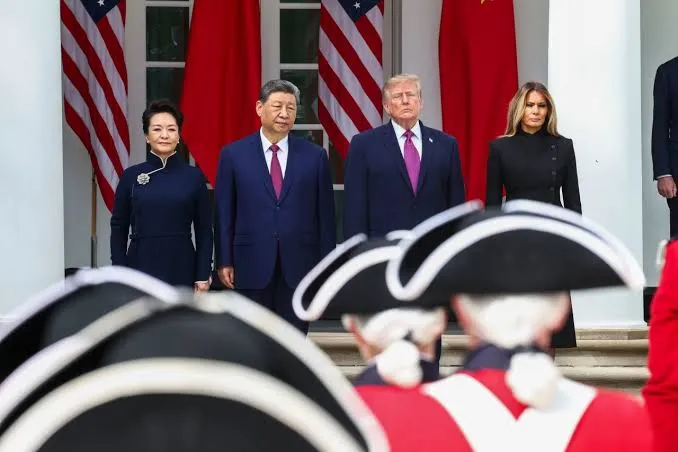
Chinese leader Xi Jinping and United States President Donald Trump held bilateral talks at the White House structured around strict health and rest accommodations requested by Beijing. The itinerary featured private downtime, a pared-back schedule concluding by early afternoon, and the cancellation of a planned working lunch. Analysts and former officials noted that constraints regarding standing, walking, and engagement duration highlighted protocol differences compared to typical state visits, raising questions among observers regarding leadership stamina and political succession. The summit schedule limited direct diplomatic negotiations, shifting focus toward physical management protocols for the 73-year-old Chinese official during high-stakes diplomatic engagements in Washington.
More context
Timeline
- On September 24, 2026, bilateral talks concluded early due to scheduled rest breaks.
- On September 24, 2026, Chinese officials declined a planned working lunch during summit meetings.
- On September 24, 2026, Xi Jinping returned to the White House for state dinner.
- On September 25, 2026, analysts discussed implications of strict health protocols during visits.
- On September 26, 2026, former officials evaluated political succession and leadership stamina questions.
- On September 27, 2026, media outlets reported exclusive details regarding summit scheduling constraints.
- On September 28, 2026, observers compared delegation protocols against standard diplomatic state visits.
- On September 29, 2026, international experts reviewed diplomatic impacts of shortened negotiation hours.
- On September 30, 2026, commentators analyzed political signaling behind Beijing negotiation strategies.
- On October 4, 2026, final freshness verification confirmed no new material developments emerged.
Why it matters
Immediate US impact: Shortened summit hours limited direct diplomatic negotiation opportunities. Possible long-term US impact: Heightened scrutiny on leadership health and bilateral engagement efficiency. Most affected groups: Foreign policy analysts, diplomatic corps, administration officials, and international observers. Reader priority: Focus on verified reporting regarding official itineraries and diplomatic protocol.
Coverage notes
Left: Highlighted protocol limits and succession questions concerning senior leadership health. Center: Reported factual itinerary adjustments and reduced diplomatic negotiation hours objectively. Right: Emphasized strategic negotiation tactics and potential diplomatic positioning by Beijing.
Primary report
The Wall Street Journal published exclusive report detailing summit rest accommodations on September 24, 2026.
Sources
- New York Times
- Washington Post
- NBC News
- Toronto Star
- Haaretz
- Independent
- The Wall Street Journal
- Reuters
- Associated Press
- Bloomberg
- Politico
- Financial Times
- USA Today
- National Public Radio
- The Hill
- Axios
- Time
- Newsweek
- The Wall Street Journal Asia
- South China Morning Post
- Reuters UK
- Japan Times
- The Hindu
- Straits Times
- Manila Bulletin
- Forbes
- The Washington Times
- Daily Mail
JQJO Editorial Desk · Human reviewed · AI assisted. Report a correction.