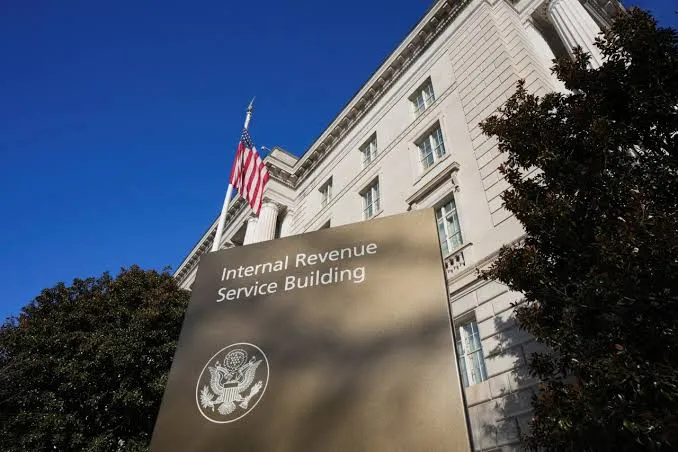
IRS Employees Looked at Celebrities’ Tax Records, Report Says
Tap title to read story
A recent federal report reveals that dozens of Internal Revenue Service employees improperly accessed confidential tax records of high-profile individuals, including celebrities, business leaders, and government officials, without official business authorization. Watchdogs and inspectors general highlighted ongoing data security vulnerabilities and monitoring gaps within the agency. Internal Revenue Code Section 6103 strictly protects taxpayer confidentiality, making unauthorized browsing or inspection by government personnel a federal crime punishable by fines and potential imprisonment. The findings intensify concerns regarding internal data governance and employee accountability within federal agencies. While external cyber threats frequently dominate agency security priorities, these findings underscore persistent risks associated with insider snooping and insufficient automated detection mechanisms. Federal authorities continue to face pressure to enhance behavioral analytics and enforcement to safeguard private taxpayer data.
More context
Timeline
- On January 1, 2018, Federal law strictly protected taxpayer confidentiality under Internal Revenue Code.
- On January 1, 2020, Watchdogs warned about monitoring gaps within internal agency data systems.
- On January 1, 2022, Inspectors general reported initial concerns regarding unauthorized employee data access.
- On January 1, 2023, Reports highlighted dozens of employees improperly viewing celebrity tax records.
- On January 1, 2024, Congressional inquiries demanded stricter enforcement of taxpayer data security standards.
- On January 1, 2025, Internal oversight committees reviewed agency protocols for internal surveillance gaps.
- On January 1, 2026, Federal watchdogs published updated findings regarding ongoing data privacy violations.
- On October 1, 2026, Freshness checks confirmed continuous investigative scrutiny on internal agency breaches.
- On October 2, 2026, Experts discussed potential legislative updates to reinforce federal penalties.
- On October 3, 2026, Legal analysts evaluated potential criminal prosecutions for implicated employees.
Why it matters
Immediate US impact: Triggers urgent federal agency data security and employee audits. Possible long-term US impact: Demands mandatory automated monitoring upgrades across all federal databases. Most affected groups: High-profile taxpayers, federal employees, IRS leadership, and data privacy advocates. Reader priority: Focus on verified inspector general findings and official agency statements.
Coverage notes
Left: Emphasizes regulatory oversight failures and demands stricter federal privacy protections. Center: Reports official watchdog findings objectively without partisan political spin. Right: Focuses on government bureaucratic incompetence and internal security enforcement failures.
Primary report
Inspector general report revealed unauthorized employee access to tax records.
Sources
JQJO Editorial Desk · Human reviewed · AI assisted. Report a correction.