Despair over future fuels political anxiety for college students on the cusp of adulthood
Tap title to read story
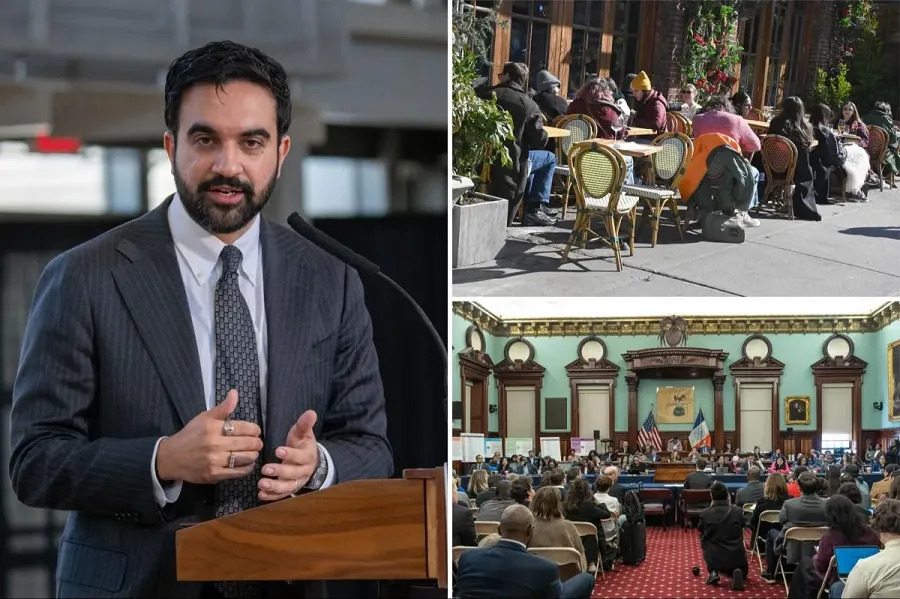
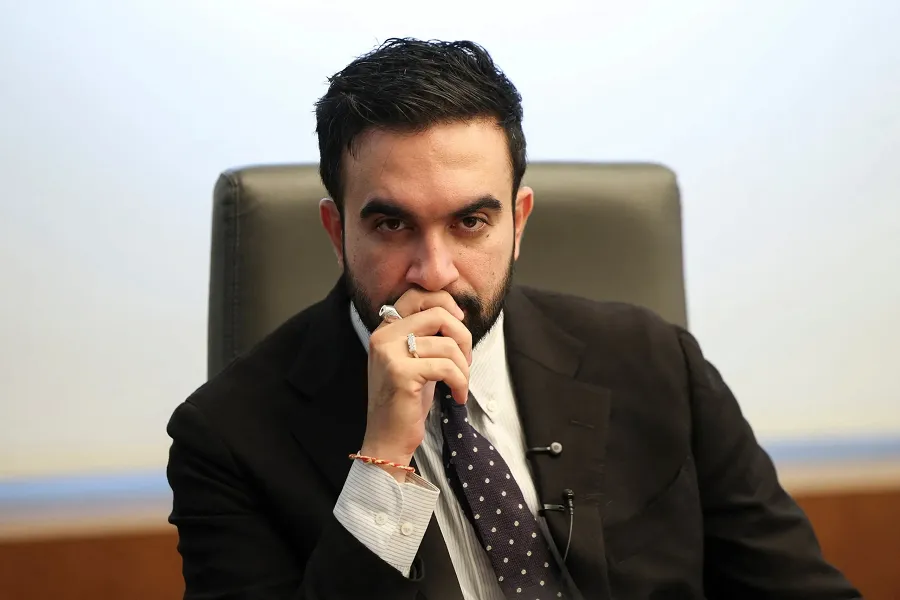
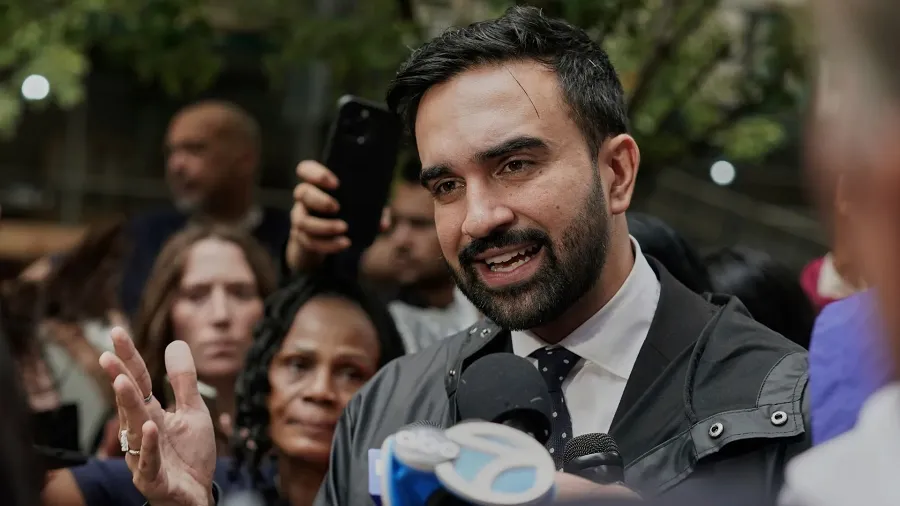
College students approaching adulthood face deep political anxiety driven by economic instability, global crises, and disappearing traditional paths to success. Recent graduates face a 5.6 percent unemployment rate, while the broader youth rate sits at 7.2 percent, compounded by high housing costs and artificial intelligence job application hurdles. Constant digital exposure to violence and economic precarity amplify these stressors. This widespread despair has transformed into political restlessness, fueling anti-establishment progressive support for candidates such as Abdul El-Sayed and Will Lawrence in Michigan. Students experience the heavy weight of planetary and economic crises before gaining the institutional power required to fix them, shifting hope into political disillusionment.
More context
Timeline
- On October 1 2026 Reports highlighted escalating political anxiety among college students.
- On September 28 2026 Youth unemployment statistics for ages 22 to 27 were published.
- On September 20 2026 Economists evaluated structural changes affecting modern college graduate career paths.
- On September 15 2026 Regional political campaigns in Michigan noted rising progressive youth engagement.
- On September 10 2026 Students voiced concerns regarding artificial intelligence automation in entry-level hiring.
- On August 25 2026 Housing affordability reports underscored financial barriers facing young adult populations.
- On August 12 2026 Digital wellness studies tracked stress levels from hyper-exposure to global crises.
- On July 30 2026 Community forums discussed the dismantling of traditional entry-level professional career tracks.
- On July 15 2026 Labor market analysts reviewed post-college employment hurdles for recent graduates.
- On June 30 2026 Political analysts documented shifting voter alignments among younger demographic cohorts.
- On October 4 2026 Future economic conditions will likely dictate the persistence of youth disaffection.
- On October 4 2026 Upcoming legislative sessions may address graduate employment hurdles and housing shortages.
- On October 4 2026 Future electoral cycles will test the enduring strength of progressive movements.
Why it matters
Immediate US impact: Youth political engagement surges toward anti-establishment progressive candidates. Possible long-term US impact: Generational economic shifts permanently alter traditional American political party alignments. Most affected groups: College students, young adults, recent graduates, entry-level job seekers. Reader priority: Monitor economic labor reports and youth voter turnout trends closely.
Coverage notes
Left: Highlighting systemic economic failure and corporate job market barriers. Center: Reporting objective statistics regarding youth unemployment and political sentiment shifts. Right: Emphasizing broader macroeconomic trends and individual career adaptability challenges.
Primary report
Reuters published investigation detailing youth political anxiety on October 1 2026.
Sources
JQJO Editorial Desk · Human reviewed · AI assisted. Report a correction.