Geopolitical Risk Rises for US Companies in Asia After Japan PM Protests Marine Arrest
PUBLISHED Oct 4, 2026, 2:39 AM ET
Read, Watch or Listen
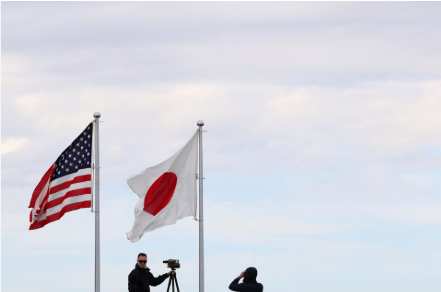
Geopolitical and operational risks for United States corporate entities operating across Asia have intensified following a strong diplomatic protest lodged by Japanese Prime Minister Sanae Takaichi. The protest came after a twenty-year-old U.S. Marine, Devin Jacob Ballard, was arrested by local authorities in Naha, Okinawa, on suspicion of robbing and murdering thirty-nine-year-old Japanese resident Anna Yagi. The incident has reignited long-standing local grievances regarding the substantial U.S. military presence in Okinawa, prompting immediate diplomatic engagements between U.S. Ambassador George Glass and Japanese Vice Foreign Minister Takehiro Funakoshi. Analysts warn that renewed anti-military sentiment and potential security policy friction could complicate bilateral trade negotiations, supply chain logistics, and regional commercial ventures for American firms operating in Japan and neighboring Asian markets.
By Neha R. | JQJO News
Timeline of Events
- On October 3, 2026, Thirty-nine-year-old Anna Yagi was found dead in a Naha hotel in Okinawa prefecture.
- On October 3, 2026, Japanese police detained twenty-year-old U.S. Marine Devin Jacob Ballard in an entertainment district.
- On October 4, 2026, Japanese Prime Minister Sanae Takaichi formally registered a strong diplomatic protest with the United States.
- On October 4, 2026, Japanese Vice Foreign Minister Takehiro Funakoshi raised the grave case with U.S. Ambassador George Glass.
- On October 4, 2026, U.S. Ambassador George Glass and Marine Corps leadership pledged full investigative cooperation.
- On October 4, 2026, Commercial analysts flagged potential spillover risks for U.S. businesses and supply chains in East Asia.
News Intelligence
- Immediate US impact: U.S. diplomatic missions in Tokyo face intense scrutiny and calls for tightened military disciplinary oversight.
- Possible long-term US impact: Heightened friction risks complicating bilateral trade security agreements and regional operations for American multinational companies.
- Most affected groups: U.S. military personnel in Japan, American corporate executives in Asia, local Okinawan citizens, and bilateral trade officials.
- Reader Prioritization: Prioritise official statements from the Japanese Foreign Ministry, U.S. Embassy in Tokyo, and geopolitical risk advisory assessments.
Coverage of Story:
From Center
Associated Press News Hub
Associated Press Reuters Bloomberg Wall Street Journal New York Times Washington Post Financial Times Nikkei Asia The Straits Times South China Morning Post BBC News NBC News ABC News CBS News NPR The Hill Politico Axios Newsweek Time Al Jazeera France 24 The Japan Times Asahi Shimbun Mainichi Shimbun Yomiuri Shimbun






Comments