US-Enforced Snapback Sanctions Urged as Saudi Arabia Intercepts Ballistic Missiles
PUBLISHED Oct 2, 2026, 11:33 PM ET
Read, Watch or Listen
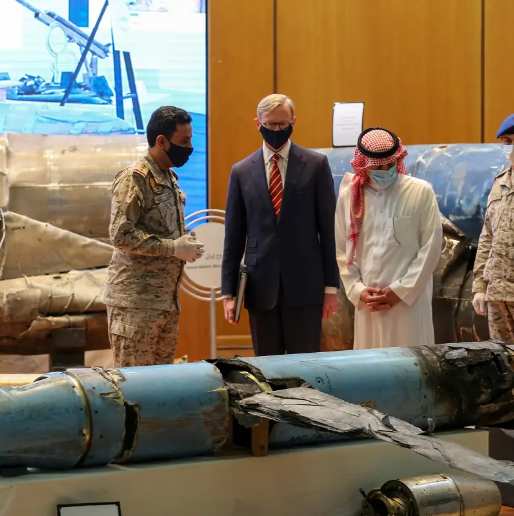
Tensions in the Middle East reached a critical juncture as Saudi air defense systems successfully intercepted incoming ballistic missiles targeting the Kingdom's vital infrastructure. In response to the escalating security threat and ongoing regional instability, United States officials intensified diplomatic pressure, urging international allies and UN member states to rigorously enforce reimposed snapback sanctions. The convergence of active missile defense operations and aggressive economic enforcement measures has galvanized global markets and security analysts, prompting emergency consultations in Washington, Riyadh, and multilateral forums to prevent further regional escalation.
By Yusra M. | JQJO News
Timeline of Events
- On March 18, 2026, Saudi Arabia intercepted ballistic missiles targeting its Eastern Region.
- On June 15, 2026, Regional security talks stalled amid renewed cross-border projectile exchanges.
- On August 12, 2026, International monitors warned of deteriorating diplomatic channels over non-compliance.
- On September 10, 2026, Multilateral discussions intensified regarding the implementation of UN restrictions.
- On September 22, 2026, Diplomatic envoys met in New York to deliberate on economic enforcement mechanisms.
- On September 28, 2026, Washington formally called for strict adherence to reimposed snapback sanctions.
- On October 1, 2026, Saudi defense forces detected and intercepted fresh ballistic missile threats.
- On October 2, 2026, Energy markets reacted sharply to the heightened security alerts in the Arabian Peninsula.
- On October 3, 2026, Coalition forces reported successful neutralization of airborne threats without casualties.
- On October 3, 2026, Allied governments initiated emergency diplomatic coordination to back economic sanctions.
News Intelligence
- Immediate US impact: Heightened security alertness and volatility in global energy markets following Middle East missile interceptions.
- Possible long-term US impact: Strengthened multilateral enforcement of economic sanctions and closer strategic defense alignment with Gulf allies.
- Most affected groups: US diplomatic personnel, Saudi defense forces, energy market investors, and international shipping lines.
- Reader Prioritization: Prioritize official statements from the US State Department, Saudi Ministry of Defense, and verified UN updates.
Coverage of Story:
From Center
Associated Press News Hub
Associated Press Reuters Bloomberg Wall Street Journal BBC News NBC News NPR Washington Post New York Times Los Angeles Times USA Today Al Jazeera Arab News Saudi Gazette France 24 Deutsche Welle Politico The Hill Axios Newsweek Time Financial Times Foreign Policy Middle East Eye Sky News CBC News ABC News

Comments