Swarms of moths in Australia lift hopes of recovery for endangered species
PUBLISHED Oct 3, 2026, 12:03 PM ET
Read, Watch or Listen
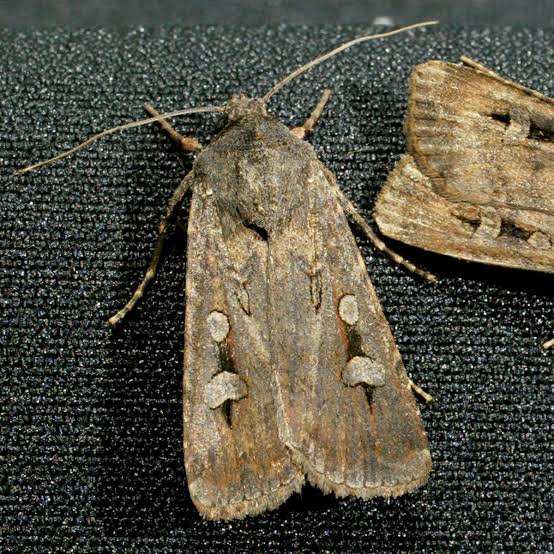
Swarms of Bogong moths blanketing homes and backyards across southeastern Australia have signaled a promising population recovery for the endangered species following years of severe decline. Authorities in New South Wales and Victoria confirmed on Saturday that the insects returned in large numbers during their southern spring migration toward caves in the Australian Alps. Officials attributed past population crashes to drought, agricultural intensification, and habitat loss. Lawmakers and biodiversity officers welcomed the resurgence, emphasizing that the harmless, legally protected moths are vital for regional ecosystems. They support native wildlife, including the endangered mountain pygmy-possum, and serve as key pollinators for eucalyptus trees. While urban residents have reported unexpected invasions across coastal cities including Sydney, experts stress that the surge reflects positive environmental indicators for regional biodiversity amidst ongoing conservation efforts across southeastern Australia.
By Haya | JQJO News
Timeline of Events
- On January 1 2017 Prolonged drought conditions severely reduced alpine bogong moth populations.
- On January 1 2019 Habitat loss accelerated steep declines in migratory moth numbers.
- On January 1 2021 Agricultural intensification further pressured vulnerable southeastern Australian insect populations.
- On October 4 2025 Previous migration counts remained critically low across alpine regions.
- On September 28 2026 Strong winds blew migrating bogong moths off course toward Sydney.
- On October 1 2026 Observers watched swarms of moths making landfall near Sydney locations.
- On October 3 2026 Authorities noted moth swarms appearing across coastal urban residential areas.
- On October 4 2026 Officials officially reported positive indicators of endangered species population recovery.
- On October 4 2026 Biodiversity officers confirmed improved numbers signaling positive regional ecological health.
- On October 5 2026 Conservationists anticipate ongoing monitoring of alpine migration patterns and caves.
News Intelligence
- Immediate US impact: Minimal direct ecological or economic impact on United States ecosystems.
- Possible long-term US impact: Informs global biodiversity tracking and climate stress response models.
- Most affected groups: Australian alpine wildlife authorities and regional southeastern urban residents.
- Reader priority: Prioritize official biodiversity statements over exaggerated social media reports.
Coverage of Story:
From Left
Why these tiny migrating moths are a big deal for Australian wildlife
The Project Quarterly Essay Dispatch Nature Conservation Council NSWFrom Center
Swarms of moths in Australia lift hopes of recovery for endangered species
Reuters The Daily Aus Mongabay The Jakarta Post Western Sydney University News Cosmos Magazine Geelong Advertiser The Mercury Hobart Adelaide Now The New Daily The Conversation Australian Alps National Parks Australian Wildlife Conservancy Museums Victoria National Museum of Australia University of Melbourne Pursuit Monash University Impact InDaily Adelaide The New Daily Science Royal Botanic Gardens Sydney Melbourne Museum BlogFrom Right
Moth invasions spark mixed reactions from residents across Sydney and Melbourne
Sky News Australia News.com.au The Australian Sky News Weekend Edition Rural Press Australia Herald Sun The Daily Telegraph News Corp Science Desk




Comments