Trump expected to name intelligence chief Jay Clayton as new AI czar
Tap title to read story
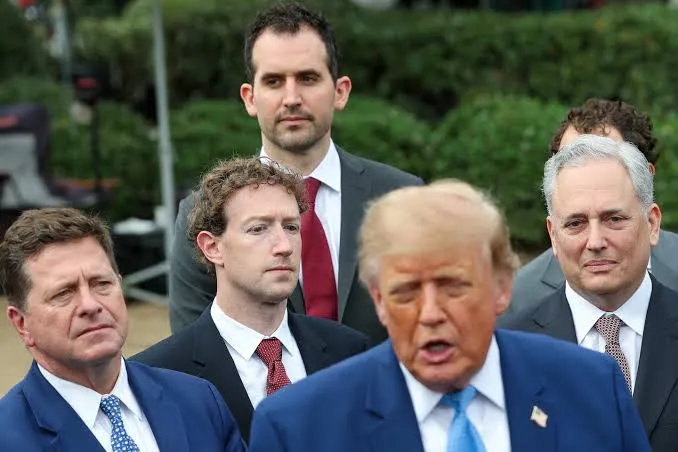
President Donald Trump is expected to appoint Director of National Intelligence Jay Clayton as the White House top adviser on artificial intelligence, replacing previous advisers rooted in Silicon Valley venture capital. Clayton currently oversees 18 United States intelligence agencies, signaling a strategic policy pivot that frames artificial intelligence and superintelligence primarily through a national security and geopolitical lens, particularly regarding competition with China. While Clayton has publicly opposed any mandatory pause in domestic technological development to prevent foreign adversaries from taking the lead, he has simultaneously emphasized the need for close federal oversight to manage potential security threats. Multiple media outlets reported the impending selection following a high-profile White House technology summit, although administration officials noted that no formal and final personnel announcement has been officially released by the president yet. The transition reflects an institutional and legal approach to emerging technology policy rather than a commercial startup perspective.
More context
Timeline
- On January 20 2025, Donald Trump assumed office as the President of the United States.
- On February 15 2025, the administration established initial artificial intelligence advisory frameworks involving industry leaders.
- On May 10 2025, Director of National Intelligence Jay Clayton addressed emerging technology threats publicly.
- On August 12 2026, intelligence briefings highlighted escalating international competition in advanced artificial intelligence systems.
- On September 28 2026, a high-profile White House technology summit convened key government and industry leaders.
- On September 29 2026, media outlets reported expectations regarding Jay Clayton taking the artificial intelligence portfolio.
- On September 30 2026, administration officials stated that no formal personnel appointment had been finalized yet.
- On October 1 2026, defense analysts discussed the strategic implications of intelligence oversight on technological development.
- On October 2 2026, market observers evaluated potential shifts in federal technology regulation and security compliance.
- On October 2 2026 at 10:40 PM PKT, no newer material administrative appointments were officially published.
Why it matters
Immediate US impact: Signals tighter national security scrutiny over domestic artificial intelligence development. Possible long-term US impact: Shapes federal regulation around geopolitical competition with foreign technology adversaries. Most affected groups: Federal intelligence agencies, technology developers, defense contractors, and national security policymakers. Reader priority: Monitor official White House announcements and verified federal policy updates.
Coverage notes
Left: Emphasizes potential regulatory friction and national security overreach risks. Center: Reports administrative transition focusing on geopolitical competition and national security. Right: Highlights strong leadership against foreign adversaries and technological advancement priorities.
Primary report
On 2026-09-29 media reports indicated impending appointment of intelligence chief.
Sources
- Washington Post
- New York Times
- Time
- Reuters
- Associated Press
- Bloomberg
- Wall Street Journal
- Axios
- Politico
- The Hill
- NBC News
- Financial Times
- Forbes
- Politico Pro
- VentureBeat
- Al Jazeera
- The News International
- NDTV Profit
- KuCoin News
- Traders Union
- KION Central Coast
- UA News
- MarketWatch
- Defense One
- The Hill Capitol
- Associated Press Wire
- Reuters Analysis
- Bloomberg Government
- Daily Caller
- Townhall
JQJO Editorial Desk · Human reviewed · AI assisted. Report a correction.