Trump administration says it has no plans for ICE officers at polls. Activists are preparing anyway
Tap title to read story
The Trump administration has stated it has no plans to deploy Immigration and Customs Enforcement officers to patrol polling places during the midterm elections. Despite official assurances, friction emerged after Department of Homeland Security Secretary Markwayne Mullin suggested armed agents might enter voting locations under specific circumstances, such as serving warrants or responding to threats. Civil rights organizations, community networks, and legal experts are ramping up preparations to counter potential voter intimidation. Advocacy groups argue that even the threat of immigration enforcement creates a severe chilling effect among naturalized citizens, mixed-status families, and minority voters. Multiple lawsuits have been filed by civil rights groups to explicitly block any federal immigration enforcement presence at or near polls, citing long-standing federal prohibitions under the Voting Rights Act against armed personnel at election sites.
More context
Timeline
- On January 1 2024 Voting rights advocates monitored historical precedents regarding armed polling personnel.
- On January 1 2025 Department of Homeland Security officials reviewed operational guidelines for enforcement.
- On February 4 2026 Steve Bannon publicly called for immigration agents at polling sites.
- On September 1 2026 DHS Secretary Markwayne Mullin addressed potential armed agent presence at polls.
- On September 2 2026 National media outlets reported widespread reactions to DHS polling site comments.
- On September 10 2026 Legal analysts evaluated logistical hurdles and statutory prohibitions regarding enforcement.
- On September 15 2026 Civil rights coalitions filed multiple lawsuits blocking enforcement presence.
- On September 20 2026 Advocacy networks launched voter education and legal observer programs.
- On September 25 2026 Community organizations established rapid response voter protection hotlines nationwide.
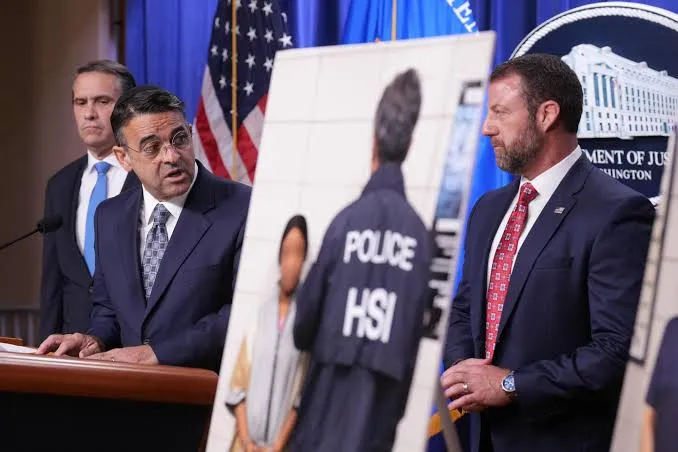
- On September 30 2026 Department of Justice and DHS officials held a joint press briefing in Washington.
- On October 2 2026 Final freshness search confirmed ongoing legal and activist mobilization.
- Coming months will involve court proceedings addressing federal immigration enforcement at polling places.
Why it matters
Immediate US impact: Creates heightened anxiety and mobilization among voters. Possible long-term US impact: Shapes federal enforcement limits at polling places. Most affected groups: Naturalized citizens and minority voting communities. Reader priority: Prioritize verified legal updates and civil rights organizations.
Coverage notes
Left: Highlighted severe voter suppression threats and civil rights violations. Center: Reported official statements and opposing activist preparations with balance. Right: Emphasized lawful enforcement exceptions and administrative security operational needs.
Primary report
Department of Homeland Security officials addressed polling place enforcement operations.
Sources
- Politico
- The Guardian
- The New York Times
- The Washington Post
- HuffPost
- The New Republic
- Independent
- Reuters
- Associated Press
- El País
- Newsday
- Wall Street Journal
- USA Today
- NPR
- NBC News
- Bloomberg
- The Hill
- Axios
- Time
- Newsweek
- Bloomberg Government
- National Public Radio Online
- Washington Wire
- Democracy Project
- Washington Times
- Daily Caller
- Newsmax
JQJO Editorial Desk · Human reviewed · AI assisted. Report a correction.