The Supreme Court Will Be Drawing Lots of Lines
Tap title to read story
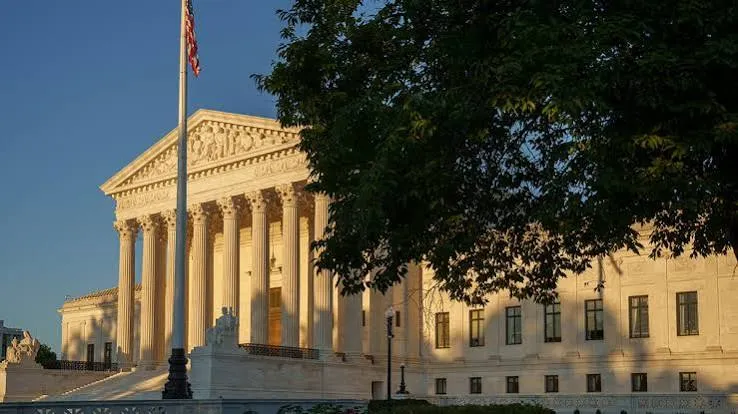
As the United States Supreme Court opens its regular term on the first Monday in October, the upcoming docket centers on fundamental questions of institutional authority and jurisdictional boundaries. Rather than concentrating on a single policy sector, the cases address disputes between states and the federal government, parents and public officials, religious institutions and administrators, and legislatures and courts. High-profile topics set for review include climate policy, religious liberty, gun rights, and election administration. Additionally, the justices are examining the rule of clarity regarding how precisely the government must outline rules before penalizing citizens or corporations. Legal analysts note that the term functions as an ongoing exercise in boundary-setting, defining where one decision-maker's power ends and another begins across various levels of American governance.
More context
Timeline
- On October 1 2018 (10:00 AM EDT), the Supreme Court convened for a prior high-profile term.
- On October 5 2020 (10:00 AM EDT), justices began hearing arguments on major administrative law matters.
- On October 4 2021 (10:00 AM EDT), the court started its session addressing complex federalism disputes.
- On October 3 2022 (10:00 AM EDT), the term commenced featuring significant structural and regulatory challenges.
- On October 2 2023 (10:00 AM EDT), the court returned to review several controversial public policy cases.
- On October 7 2024 (10:00 AM EDT), the justices opened arguments focusing on federal agency authority.
- On October 6 2025 (10:00 AM EDT), the previous term addressed various state and federal jurisdictional lines.
- On October 2 2026 (03:56 PM PKT), the final freshness check confirmed no newer material developments occurred.
- On October 5 2026 (10:00 AM EDT), the Supreme Court officially returns for its regular new term.
- On June 30 2027 Throughout coming months, the Supreme Court will issue rulings defining federal and state authority limits.
Why it matters
Immediate US impact: Court decisions will reshape federal, state, and institutional authority limits. Possible long-term US impact: Jurisdictional boundaries across American governance will be permanently redefined. Most affected groups: Federal agencies, state governments, religious institutions, and public school boards. Reader priority: Focus on official court opinions rather than speculative legal commentary.
Coverage notes
Left: Focuses on potential threats to federal regulations and civil rights protections. Center: Emphasizes neutral constitutional questions regarding jurisdictional limits and separation of powers. Right: Highlights necessary checks on administrative overreach and protection of state authority.
Primary report
City Journal published analysis on Supreme Court docket boundary disputes on October 2 2026.
Sources
JQJO Editorial Desk · Human reviewed · AI assisted. Report a correction.