Airbus Deliveries Surge Past 70 in September Sprint, Boosting U.S. Airline Supply and Local Manufacturing
Tap title to read story
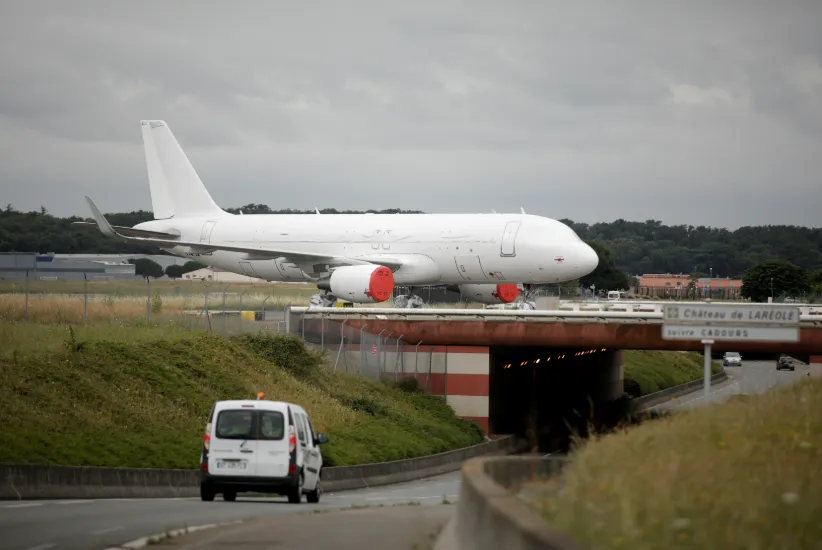
Airbus successfully surpassed seventy aircraft deliveries during a frantic September end-of-month sprint, overcoming persistent supply chain constraints and engine shortages. This late surge bolsters U.S. airline supply chains, ensuring carriers receive crucial narrowbody and widebody additions ahead of the peak winter travel season. Furthermore, local manufacturing hubs, including the final assembly line in Mobile, Alabama, experienced heightened production velocity, contributing significantly to domestic aerospace employment and regional economic stability. Industry analysts note that while meeting the ambitious annual target of eight hundred seventy deliveries remains challenging, September's performance restores confidence among major commercial airline operators.
More context
Timeline
- On January 15, 2026, Airbus outlined its ambitious annual delivery target of eight hundred seventy aircraft.
- On March 20, 2026, Supply chain bottlenecks and engine delays from major suppliers impacted early quarterly figures.
- On June 10, 2026, Mid-year reviews highlighted the need for accelerated production capacity across European and U.S. facilities.
- On August 12, 2026, Airbus reported fifty-seven commercial aircraft deliveries for the month of August.
- On September 15, 2026, Industry reports indicated a heavy push required in the final weeks to meet third-quarter milestones.
- On September 25, 2026, Mobile, Alabama facility ramped up assembly operations to support expanding U.S. carrier fleets.
- On September 29, 2026, Data confirmed strong final-week completions bringing monthly totals over the seventy mark.
- On October 1, 2026, Market analysts reviewed preliminary figures showing renewed momentum toward the annual goal.
- On October 2, 2026, Industry sources verified that September deliveries crossed the seventy-aircraft threshold following a late sprint.
- On October 2, 2026, U.S. airlines prepared to integrate the newly delivered aircraft into domestic flight schedules.
Why it matters
Immediate US impact: U.S. airlines receive vital aircraft additions to bolster capacity ahead of holiday travel demands. Possible long-term US impact: Strengthens domestic aerospace supply chains and local manufacturing output in facilities like Mobile, Alabama. Most affected groups: Commercial airline executives, aerospace manufacturing workers, and passengers. Reader Prioritization: Prioritize official Airbus delivery reports, verified airline fleet announcements, and supply chain updates.
Coverage notes
Left: Focuses on worker output, manufacturing labor conditions, and supply chain sustainability. Center: Emphasizes delivery volume statistics, annual corporate targets, and airline fleet integration. Right: Highlights market competitiveness, corporate efficiency, and regional economic contributions.
Primary report
Airbus deliveries surpassed 70 aircraft in a September end-of-month sprint.
Sources
- CNN
- The Guardian
- Associated Press
- Reuters
- Bloomberg
- Wall Street Journal
- Financial Times
- CNBC
- BBC News
- Yahoo Finance
- MarketWatch
- Forbes
- Business Insider
- Aviation Week
- Simple Flying
- Air Data News
- FlightGlobal
- AeroTime Hub
- AirInsight
- Leeham News
- New York Times
- Washington Post
- Los Angeles Times
- USA Today
- Politico
- The Hill
- Newsweek
- Time
- Axios
- Fox Business
JQJO Editorial Desk · Human reviewed · AI assisted. Report a correction.