Senegal power cuts highlight need to embrace gas, minister says
Tap title to read story
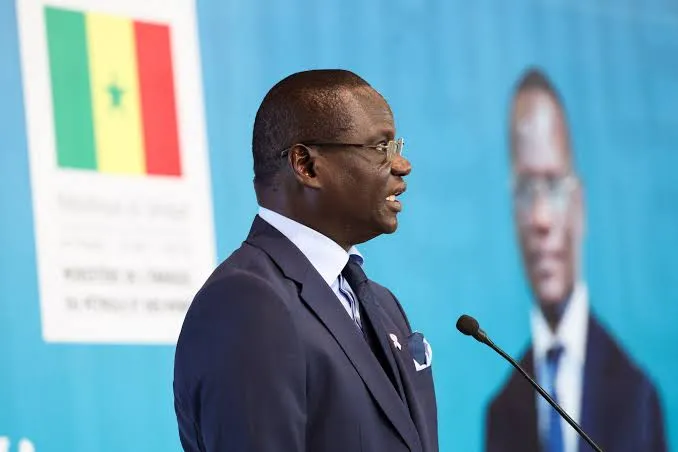
Senegalese Energy and Petroleum Minister El Hadji Abdourahmane Diouf announced an urgent government push to transition the nation toward domestically produced natural gas. The strategic shift follows severe energy challenges characterized by rolling power cuts, unseasonably high temperatures, and surging electricity demand across the country. Minister Diouf emphasized that leveraging national natural gas reserves is essential for modernizing the national power grid, lowering electricity production costs, and insulating the domestic economy from volatile international fuel markets. Senegal faces mounting pressure to stabilize energy supplies while balancing long-term industrialization goals and infrastructure development requirements. The government aims to utilize recent offshore gas discoveries to ensure reliable baseload power and support domestic industrial growth. Officials note that developing local gas infrastructure requires substantial capital investment and careful environmental management to prevent long-term carbon lock-in. Meanwhile, citizens and businesses continue to navigate intermittent power disruptions as authorities work to accelerate domestic resource commercialization and grid modernization efforts nationwide.
More context
Timeline
- On October 1, 2026, Minister El Hadji Abdourahmane Diouf highlighted domestic gas needs.
- On September 28, 2026, severe power cuts disrupted businesses and households nationwide.
- On September 25, 2026, rising electricity demand strained existing national power generation capacities.
- On September 20, 2026, officials reviewed infrastructure timelines for upcoming offshore gas projects.
- On September 15, 2026, unseasonably high temperatures drove unprecedented peaks in power consumption.
- On September 10, 2026, energy ministry reports outlined heavy reliance on imported liquid fuels.
- On September 5, 2026, industrial leaders urged faster commercialization of domestic gas reserves.
- On August 30, 2026, technical audits assessed vulnerabilities across the aging national power grid.
- On August 22, 2026, regional energy partners discussed joint natural gas infrastructure funding.
- On August 18, 2026, government regulators finalized new framework terms for domestic energy production.
- Authorities expect continued power grid vulnerability until new domestic gas pipelines become operational.
- Long-term projections indicate lower generation costs once domestic gas fields reach full production capacity.
Why it matters
Immediate US impact: Minimal direct impact on US energy markets or foreign policy. Possible long-term US impact: Potential export opportunities for US LNG technology and engineering firms. Most affected groups: Energy ministry officials, domestic consumers, and industrial manufacturers in Senegal. Reader priority: Monitor official ministry announcements and regional West African energy market reports.
Coverage notes
Left: Focuses on environmental transition risks and climate finance implications. Center: Emphasizes economic pragmatism and infrastructure solutions for energy stability. Right: Highlights market opportunities and foreign investment in energy assets.
Primary report
Energy minister announced domestic natural gas transition plans on October 1 2026.
Sources
- Le Monde Afrique
- Reuters
- African Energy Chamber
- World Energy News
- The Sudan Times
- The New Africa Magazine
- Energy News Network
- Financial Afrik
- African Mining Market
- Southern African Times
- Ecofin Agency
- APA News
- Zawya
- Quartz Africa
- Bloomberg Africa
- Financial Times
- Rigzone
- DevEx
- Jeune Afrique
- African Business
- The Africa Report
- Associated Press
- Sud Quotidien
- Vox Populi Senegal
- L'Observateur Senegal
- Seneweb
- Leral.net
- Senenews
JQJO Editorial Desk · Human reviewed · AI assisted. Report a correction.