California to Vote on Landmark Tribal Petitions for Coastal Protections
Tap title to read story
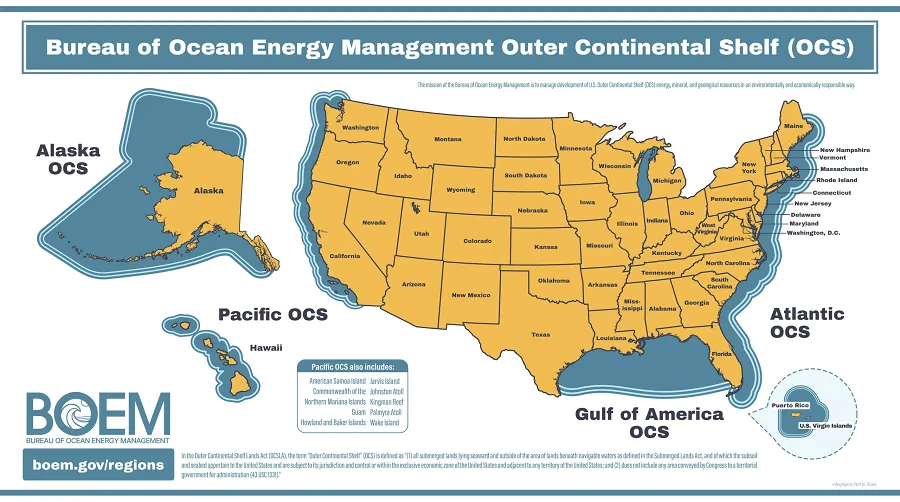
The California Fish and Game Commission is scheduled to vote on landmark tribal petitions requesting enhanced coastal protections and indigenous co-management across state marine areas. Submitted petitions seek to establish new marine protected areas and grant specific tribal harvest exemptions along the Pacific coastline. Proponents argue the measures restore historical stewardship and protect vulnerable marine ecosystems, while state regulators evaluate implementation feasibility and enforcement frameworks. The decisions carry significant precedent for indigenous rights and environmental governance across California coastal waters. Stakeholders await the commission formal determination regarding the integration of traditional ecological knowledge into modern conservation policy.
More context
Timeline
- On March 12 2024, indigenous leaders officially submitted formal coastal protection petitions to regulators.
- On June 15 2024, state environmental agencies acknowledged receipt of tribal management proposals.
- On November 10 2024, public comment periods opened regarding marine protected area modifications.
- On February 20 2025, preliminary scientific reviews evaluated proposed tribal harvest exemption impacts.
- On May 14 2025, commission officials held initial workshops addressing co-management frameworks.
- On August 30 2025, environmental coalitions released independent assessments supporting indigenous stewardship.
- On December 5 2025, revised petition drafts incorporated feedback from commercial fishing representatives.
- On March 18 2026, legal experts finalized jurisdictional analyses concerning state waters authority.
- On June 22 2026, public hearings attracted extensive testimony from tribal and industry stakeholders.
- On October 2 2026, the commission prepared final evaluations ahead of the scheduled vote.
Why it matters
Immediate US impact: State coastal management policies face immediate operational and legal adjustments. Possible long-term US impact: Indigenous co-management models could permanently alter regional marine conservation practices. Most affected groups: California coastal tribes, commercial fisheries, and state environmental regulators. Reader priority: Cross-reference state regulatory notices with tribal statements for verified updates.
Coverage notes
Left: Emphasizes indigenous rights, environmental justice, and ecological restoration benefits. Center: Reports neutral facts on regulatory procedures and stakeholder viewpoints. Right: Highlights regulatory expansion concerns, property rights, and commercial impacts.
Primary report
California Fish and Game Commission announced upcoming tribal petition vote.
Sources
- Inside Climate News
- San Francisco Chronicle
- Sierra Club Magazine
- Associated Press
- Reuters
- National Public Radio
- Politico
- The Sacramento Bee
- Courthouse News Service
- The Hill
- Bloomberg Law
- Western Farm Press
- Coastal News Today
- Fresno Bee
- Modesto Bee
- Tri-City Herald
- The Fresno Bee Online
- San Luis Obispo Tribune
- Bakersfield Californian
- The Desert Sun
- Ventura County Star
- Palm Springs Life
- Eureka Times-Standard
- Lake County News
- Oroville Mercury-Register
- San Luis Obispo Guard
- The Center Square
- Washington Times
- wildlife.ca.gov
JQJO Editorial Desk · Human reviewed · AI assisted. Report a correction.