World food prices near four-year high in September, UN says
Tap title to read story
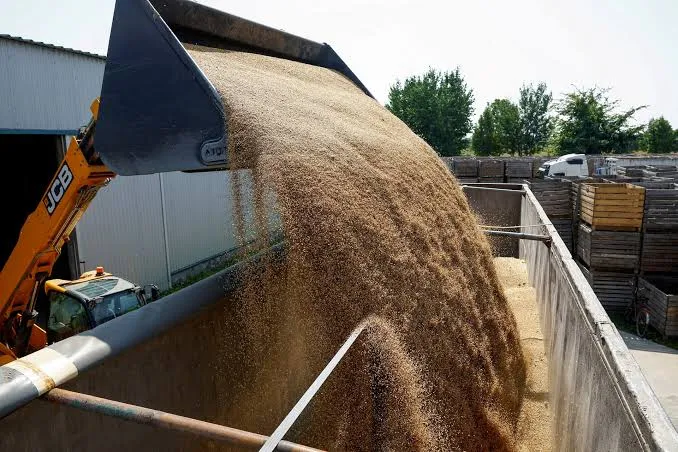
The United Nations Food and Agriculture Organization reported that global food commodity prices rose in September to their highest level in nearly four years, reaching an average of 136.0 points. The persistent surge is fueled by trade bottlenecks around the Black Sea and the Strait of Hormuz alongside severe climate and weather shocks impacting key crop yields globally. Benchmarks for cereals, sugar, and vegetable oils all saw upward pressure during the month. FAO Chief Economist Maximo Torero warned that these persistent upstream pressures will likely pass through to consumer food prices down the line, placing an extra squeeze on import-dependent nations and heightening global food security concerns as supply chains face compounding geopolitical and environmental strains.
More context
Timeline
- On November 2022 global food prices last reached comparable levels to September.
- On August 2026 the FAO food price index was revised to 134.0 points.
- On October 2 2026 the FAO announced the September index rose to 136.0 points.
- On October 10 2026 agricultural markets will review regional harvest and crop yield reports.
- On November 1 2026 upcoming supply reports may indicate further retail price adjustments.
- On December 15 2026 winter weather patterns could threaten key global agricultural transport corridors.
- On January 15 2027 policymakers will evaluate import dependencies amid ongoing commodity cost pressures.
- On March 30 2027 spring crop forecasts will provide insight into future price stabilization.
- On September 30 2027 annual agricultural output reviews will assess long-term inflation recovery trends.
- On October 1 2028 long-term agricultural resilience projects face multi-year supply test.
Why it matters
Immediate US impact: Immediate US import costs rise for select foreign food commodities. Possible long-term US impact: Long-term domestic grocery inflation increases pressure on household consumer budgets. Most affected groups: Most affected groups include import-dependent businesses, logistics operators, and consumers. Reader priority: Readers should prioritize verified reports from international agricultural economic agencies.
Coverage notes
Left: Highlighted climate change impacts and burdens on vulnerable populations. Center: Reported official index metrics and logistics drivers neutrally without bias. Right: Emphasized trade route disruptions and global supply chain vulnerabilities.
Primary report
UN FAO reported global food commodity prices reached four year high on October 3 2025
Sources
- The Independent
- Haaretz
- Reuters
- Associated Press
- Bloomberg
- Financial Times
- Wall Street Journal
- New York Times
- Washington Post
- NBC News
- POLITICO
- MarketWatch
- Forbes
- US News and World Report
- Chicago Tribune
- Houston Chronicle
- San Francisco Chronicle
- Sky News
- Euronews
- CBC News
- The Straits Times
- South China Morning Post
- Japan Times
- Times of India
- Philippine Daily Inquirer
- fao.org
JQJO Editorial Desk · Human reviewed · AI assisted. Report a correction.