US congressman demands Starbucks close its first stores in China's Xinjiang
PUBLISHED Oct 2, 2026, 1:43 AM ET
Read, Watch or Listen
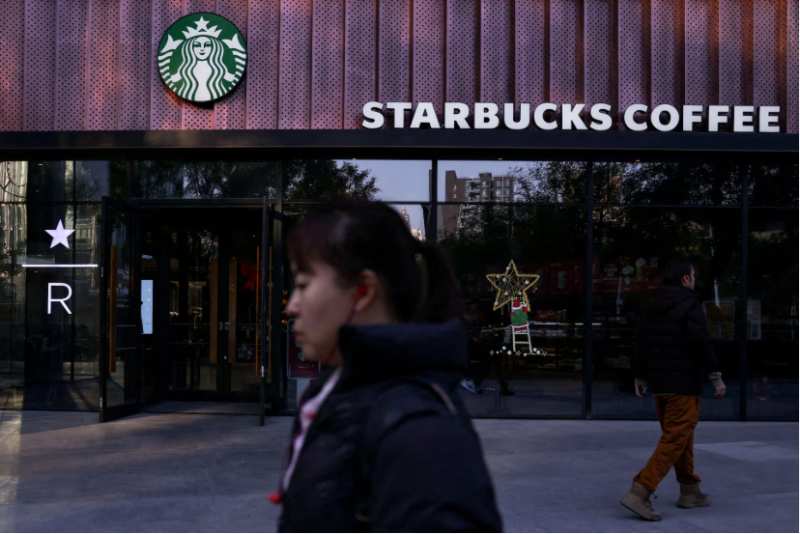
U.S. Representative John Moolenaar, chairman of the House Select Committee on the Chinese Communist Party, sharply criticized Starbucks following the coffee giant's opening of its first two stores in China's Xinjiang region. Moolenaar denounced the move as a morally bankrupt decision, arguing that doing business in a region marked by human rights concerns ties an iconic American brand to Beijing's campaign against Uyghurs. The expansion coincides with Starbucks' finalized joint venture with Boyu Capital, which manages over 8,000 locations across the Chinese mainland. Neither Starbucks nor Chinese authorities immediately responded to the congressional pushback, while company representatives emphasized local integration and cultural blending. The controversy places renewed pressure on multinational corporations balancing economic presence in consumer-heavy Chinese markets against mounting geopolitical scrutiny from U.S. lawmakers.
By Neha R. | JQJO News
Timeline of Events
- On July 15, 2021, U.S. Senate passed legislation focusing on supply chains and restrictions tied to Xinjiang.
- On April 15, 2026, Starbucks finalized its China joint venture bringing in Boyu Capital as a strategic stakeholder.
- On September 27, 2026, Starbucks reported operating over 8,300 stores across the Chinese mainland.
- On September 29, 2026, Starbucks officially opened its debut stores in Xinjiang, featuring local cultural elements.
- On September 30, 2026, state media and official platforms highlighted the Xinjiang Grand Bazaar flagship opening.
- On October 1, 2026, Select Committee on the CCP Chairman John Moolenaar published a formal statement condemning the expansion.
- On October 1, 2026, congressional leadership demanded that Starbucks immediately reverse course and close the new locations.
- On October 2, 2026, major international news outlets covered the mounting political pressure and corporate silence from Starbucks.
- On October 2, 2026, human rights advocates and policy analysts weighed in on corporate responsibility in restricted regions.
- On October 2, 2026, markets monitored potential regulatory fallout for U.S. retail brands operating joint ventures in China.
News Intelligence
- Immediate US impact: U.S. lawmakers express intense bipartisan scrutiny regarding American corporate expansion in politically sensitive Chinese territories.
- Possible long-term US impact: Multinational companies face heightened pressure and legislative risk when investing in regions associated with human rights concerns.
- Most affected groups: Starbucks corporate executives, U.S. congressional committees, human rights advocacy organizations, and global investors.
- Reader Prioritization: Prioritize official congressional press releases, statements from the Select Committee on the CCP, and corporate filings.
Coverage of Story:
From Center
Associated Press News Hub
Associated Press Reuters Bloomberg Wall Street Journal BBC News CNBC Politico The Hill Axios Newsweek Time NBC News CBS News ABC News NPR USA Today Los Angeles Times Financial Times Forbes Business Insider Yahoo Finance Foreign Policy Al Jazeera Voice of America Nikkei Asia


Comments