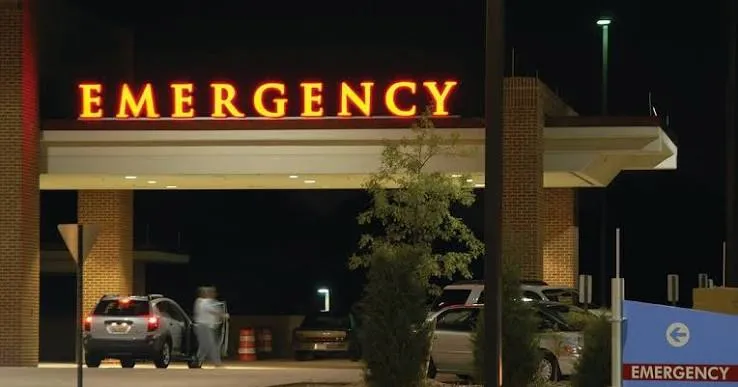
Hospitals expand push to limit ER visits ahead of Medicaid cuts
Tap title to read story
As healthcare systems face severe financial pressures from ongoing federal and state Medicaid eligibility rollbacks, hospitals nationwide are actively expanding initiatives to curb emergency room visits. With millions losing coverage, safety-net and rural facilities face escalating uncompensated care burdens under federal emergency treatment mandates. To mitigate financial strain, health systems are promoting alternative access points like urgent care centers, deploying community health workers for patient navigation, and enhancing internal triage protocols. These proactive measures aim to divert low-acuity patients away from costly emergency departments, preserving operational sustainability as state funding contractions continue across the sector.
More context
Timeline
- On January 15 2024 Federal authorities initiated comprehensive Medicaid eligibility redeterminations across states.
- On June 10 2024 Millions of vulnerable beneficiaries experienced coverage terminations nationwide.
- On September 22 2024 Safety-net hospitals reported sharp surges in uncompensated care.
- On November 5 2024 State legislatures debated emergency supplemental funding options for health.
- On February 14 2025 Health systems announced strategic pivots toward outpatient care diversion.
- On May 18 2025 Rural hospitals accelerated telehealth adoption to reduce local traffic.
- On August 30 2025 Regulatory agencies reviewed hospital compliance with emergency treatment laws.
- On October 12 2025 Major hospital networks launched public awareness campaigns for alternatives.
- On January 4 2026 Additional state-level Medicaid funding reductions took formal effect.
- On March 28 2026 Nationwide emergency room diversion programs scaled up operations significantly.
- Financial strain on safety-net hospitals will intensify throughout upcoming quarters.
- Federal legislative proposals may alter Medicaid reimbursement formulas next year.
Why it matters
Immediate US impact: Hospitals face immediate financial strain from rising uncompensated care volumes. Possible long-term US impact: Prolonged funding cuts may force rural hospital closures and service reductions. Most affected groups: Low-income patients, safety-net hospitals, and state Medicaid agencies are affected. Reader priority: Readers should prioritize verified reports from trusted health policy organizations.
Coverage notes
Left: Emphasizes systemic failures affecting vulnerable populations and Medicaid expansion needs. Center: Focuses on neutral financial data and operational hospital policy adjustments. Right: Highlights fiscal sustainability challenges and free market alternative care solutions.
Primary report
Reuters published investigation detailing hospital emergency room diversion strategies amid Medicaid cuts on March 28 2026.
Sources
- KPBS
- Global Refuge
- New York Times
- Washington Post
- NPR Health Shots
- The Seattle Times
- San Francisco Chronicle
- The Oregonian
- Reuters
- Associated Press
- Healthcare Dive
- Becker's Hospital Review
- KFF
- Medicare Rights Center
- AMS Solutions
- Modern Healthcare
- Fierce Healthcare
- Health Affairs
- Medstates
- Bloomberg Law
- Politico
- The Hill
- USA Today
- Chicago Tribune
- Houston Chronicle
- Miami Herald
- NBC News
- Axios
- Time
- Newsweek
- Cleveland Plain Dealer
- Dallas Morning News
- The Arizona Republic
- Detroit Free Press
- The Star-Ledger
- Minneapolis Star Tribune
- St. Louis Post-Dispatch
- Baltimore Sun
- The Plain Dealer
- Wall Street Journal
- Forbes Healthcare
JQJO Editorial Desk · Human reviewed · AI assisted. Report a correction.