Bonds teeter after US Treasuries' worst quarter since 1994
PUBLISHED Oct 1, 2026, 3:03 AM ET
Read, Watch or Listen
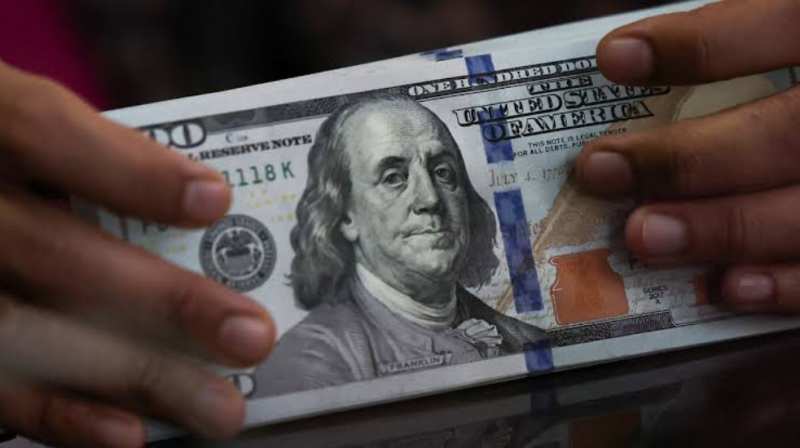
Global bond markets teetered as U.S. Treasuries recorded their worst quarterly performance since 1994, driven by a dramatic surge in real yields. The benchmark 10-year Treasury yield surged eighty-seven basis points to close the third quarter at five point two nine percent, reflecting aggressive repricing of Federal Reserve policy toward a higher-for-longer interest rate environment. Long-duration assets bore the brunt of the sell-off, with major exchange-traded funds like the iShares 20+ Year Treasury Bond ETF plunging ten percent to record lows. Analysts attribute the rout to a potent mix of persistent inflation risks, robust economic growth, and heavy federal fiscal borrowing needs that require relentless new debt issuance. The soaring yields have amplified strains on government financing costs and rippled across global equity and debt markets, leaving investors grappling with heightened duration and fiscal risks as the final quarter of the year begins.
By Neha R. | JQJO News
Timeline of Events
- On February 4, 1994, the Federal Reserve initiated a historic rate-hiking cycle that previously set bond market loss benchmarks.
- On March 31, 2020, pandemic-era monetary policies pushed U.S. Treasury yields to historic multi-year lows.
- On January 2, 2026, financial markets opened the year anticipating multiple aggressive Federal Reserve interest rate cuts.
- On March 15, 2026, persistent inflation indicators forced central bank officials to signal a prolonged pause on rate reductions.
- On June 30, 2026, the second quarter concluded with mounting selling pressure across long-duration U.S. government debt.
- On August 12, 2026, escalating federal deficit projections from international organizations heightened bond supply concerns.
- On September 15, 2026, 10-year Treasury yields breached five percent amid renewed macroeconomic inflation fears.
- On September 28, 2026, accelerated institutional liquidations intensified downward price action across sovereign bond indexes.
- On September 30, 2026, the benchmark 10-year yield surged to five point two nine percent, cementing the worst quarterly drop since 1994.
- On October 1, 2026, global financial markets reacted to the historic Treasury rout, reevaluating long-term fiscal and monetary stability.
News Intelligence
- Immediate US impact: Financial markets react to severe bond volatility, soaring borrowing costs, and record lows in long-duration ETFs.
- Possible long-term US impact: Persistently higher government borrowing costs reshape corporate debt pricing, federal budgets, and macroeconomic capital allocation.
- Most affected groups: Bond investors, institutional fund managers, corporate treasurers, and federal fiscal policymakers.
- Reader Prioritization: Prioritise Federal Reserve statements, Treasury auction results, yield curve analyses, and macroeconomic inflation data.
Coverage of Story:
From Center
Bloomberg Markets and News
Bloomberg Reuters Wall Street Journal Financial Times CNBC MarketWatch Associated Press Yahoo Finance Barron's Forbes Business Insider The Economist Morningstar Investing.com Seeking Alpha The Hill Politico Axios New York Times Washington Post Los Angeles Times BBC News NBC News NPR Newsweek Time USA Today





Comments